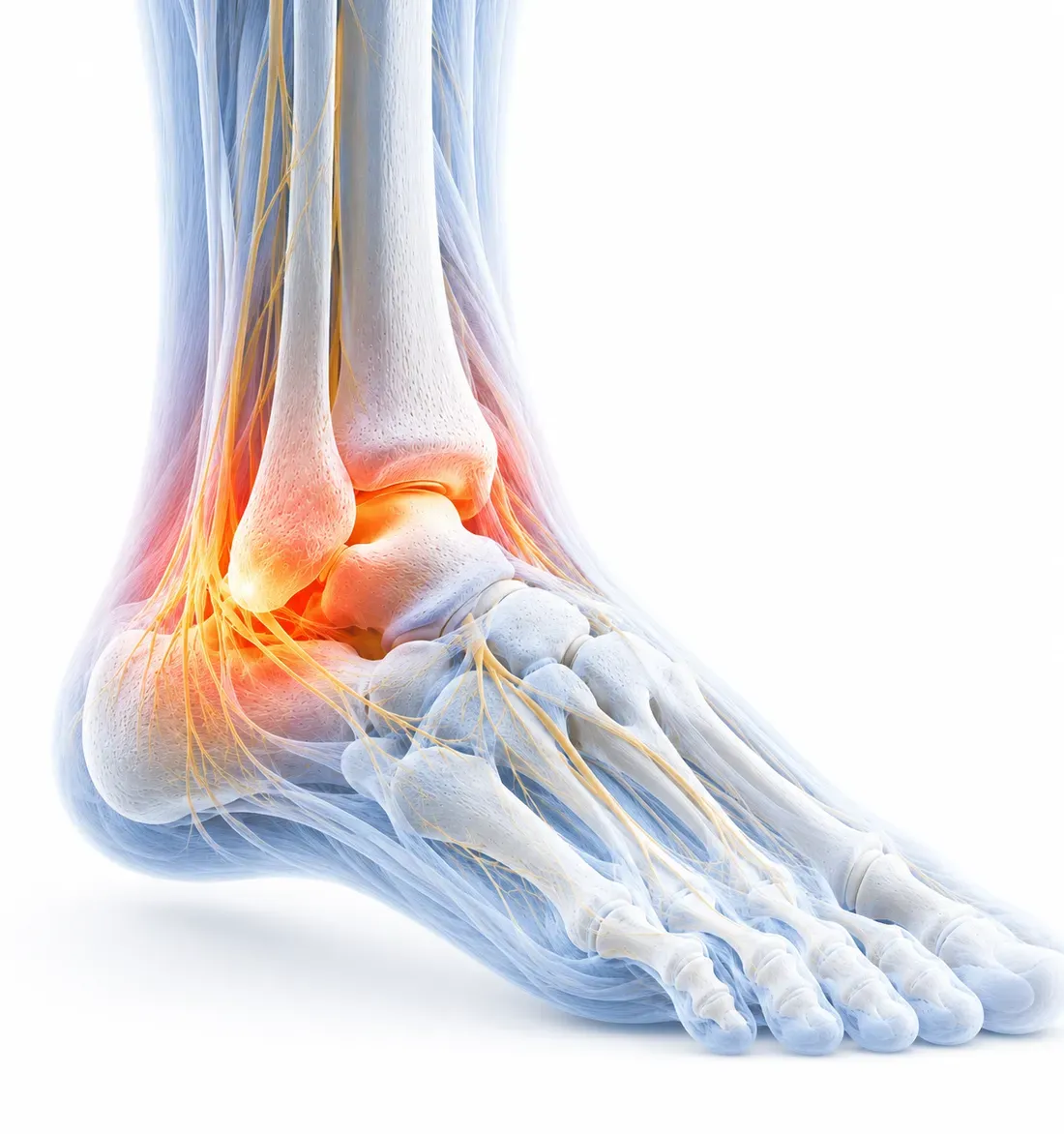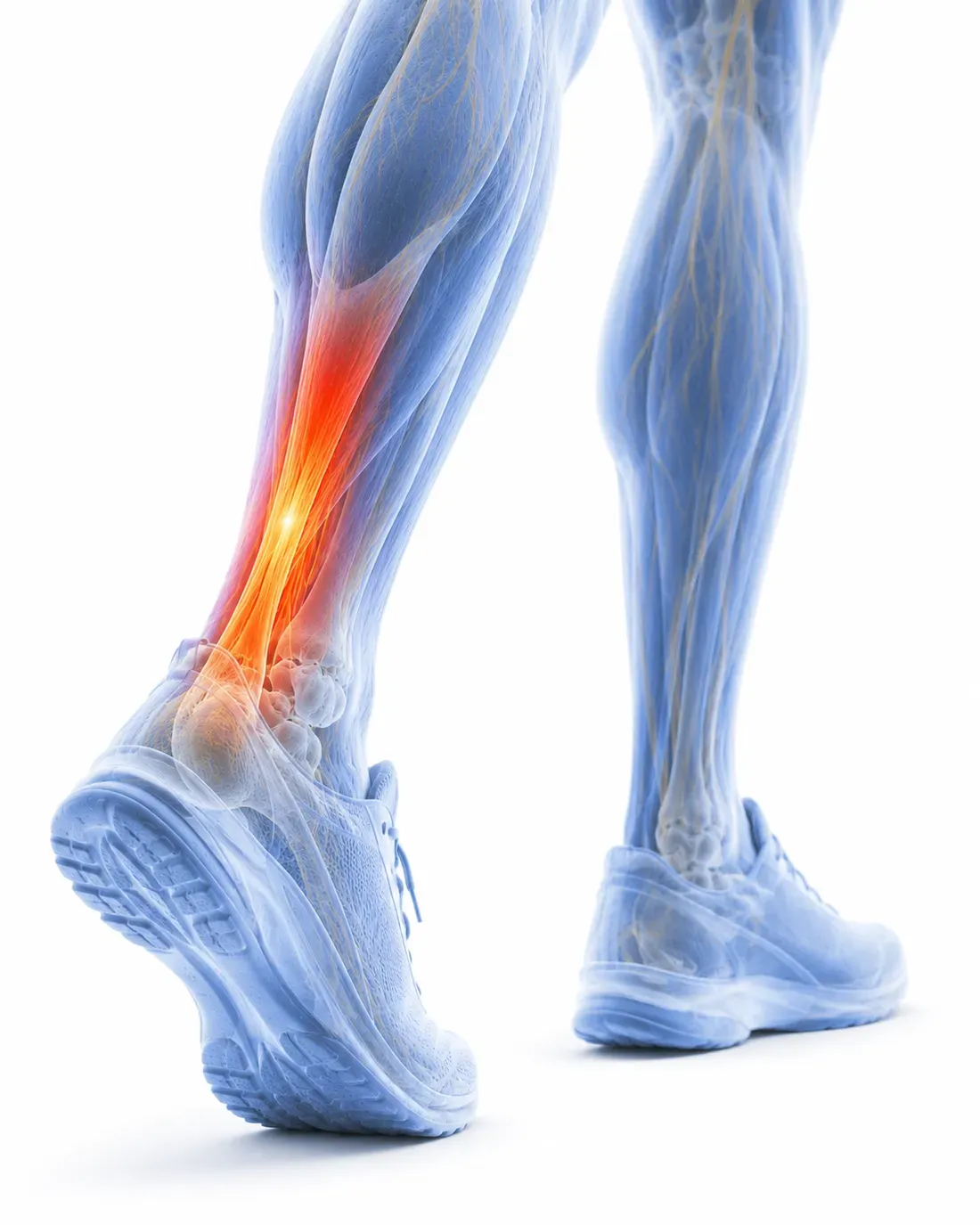

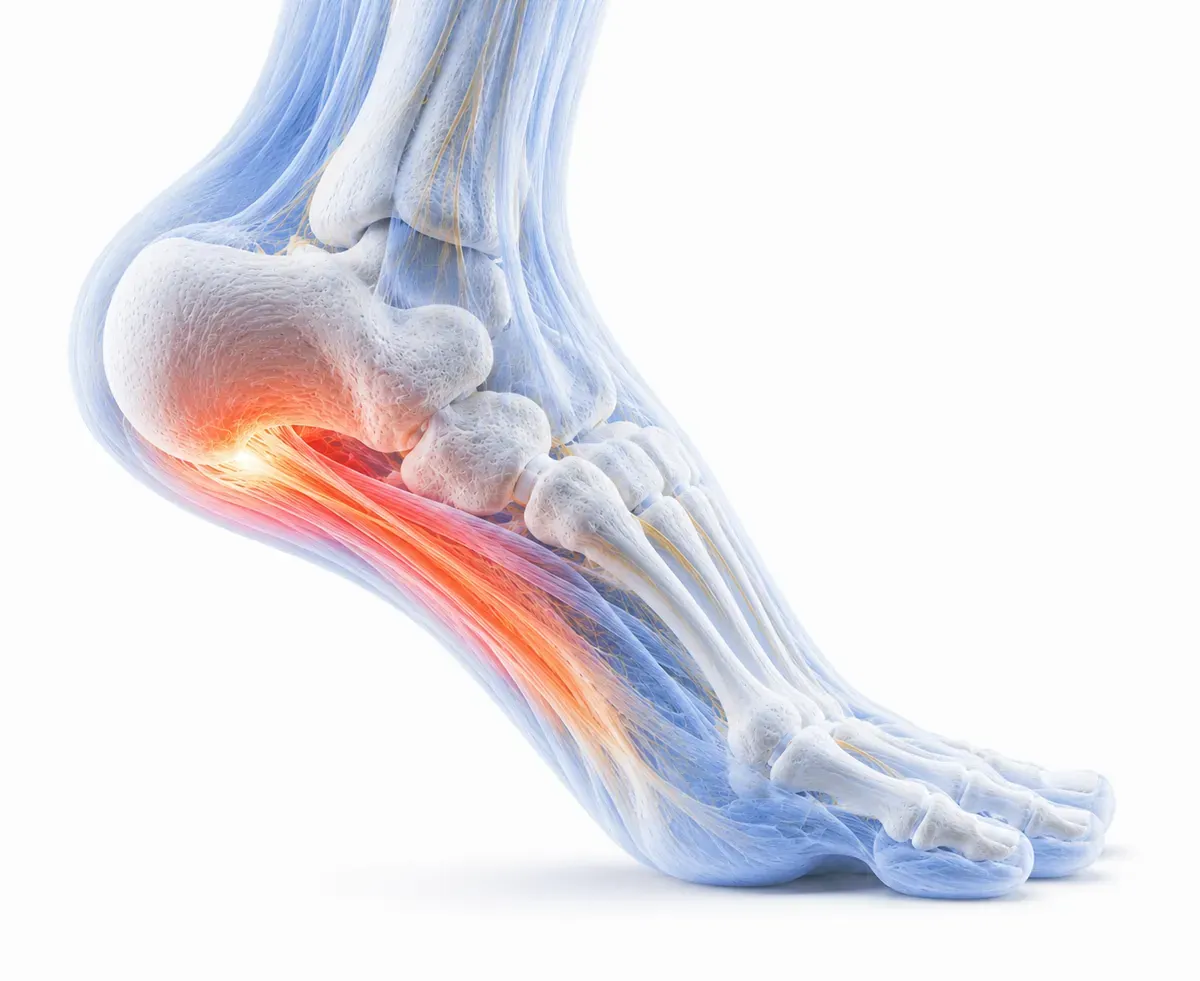
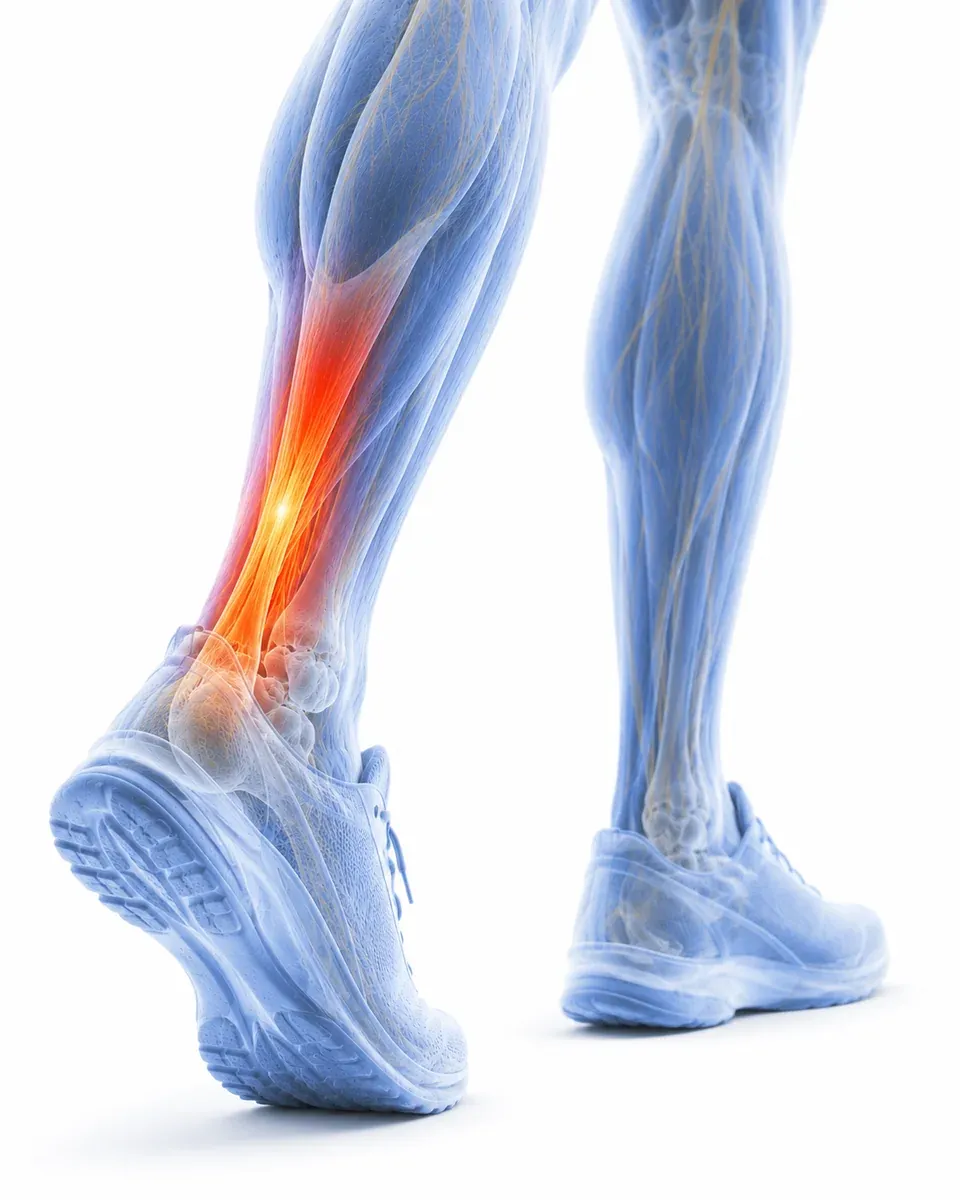
Plantar fasciitis, anatomical illustration
Conditions we treat

Plantar fasciitis treatment in Christchurch

Plantar fasciitis can make your first steps painful. Whether it's sharp heel pain with your first morning steps, pain after standing or walking for a while, or discomfort that limits your exercise, we'll help you understand what's causing it, what's preventing recovery, and create a personalised plan to help you get back on your feet comfortably.

ACC handled in-house No referral needed Same-day appointments often available

Common plantar fasciitis symptoms

Most people we see with plantar fasciitis experience two or more of the symptoms below. If they sound familiar, a thorough assessment can help identify what's causing them and the best path to recovery.

The sooner you understand what's causing your plantar fasciitis, the sooner you can start recovering.

Book a plantar fasciitis consult

What's contributing to your plantar fasciitis?

Plantar fasciitis is rarely caused by one thing. We'll identify what's contributing to it, what's slowing your recovery and what needs to change to help you recover and reduce the chance of it returning.

  • 01 A sudden jump in load: a new running plan, long walking days, or a busy stretch on your feet
  • 02 Tight calves and Achilles placing more strain on your plantar fascia
  • 03 Reduced ankle mobility, meaning more load is transferred through your heel
  • 04 Foot mechanics, such as flat-foot collapse or high arches changing how load is shared
  • 05 Footwear changes, including worn-out shoes or switching to minimal or barefoot styles too quickly
  • 06 Old foot or ankle injuries that altered your loading patterns and never fully rehabbed

The sooner you understand what is driving your plantar fasciitis, the sooner you can start recovering.

Book a plantar fasciitis consult

How we treat it

A clear path to recovery

Most plantar fasciitis can be successfully treated. During your assessment, we'll identify what's contributing to it, what's preventing recovery, and create a personalised plan to help you recover and reduce the chance of it returning.

What we assess

  • Tenderness pattern under the heel and along the arch (rules in plantar fasciitis vs other foot conditions)
  • Calf flexibility, ankle mobility, and the strength of the foot's small intrinsic muscles
  • How you walk and run: the timing of your foot strike, how your knee and hip share load
  • Recent changes in your training, footwear, or daily standing volume
  • Past foot or ankle injuries that may have altered loading patterns
01 Relieve

Settle the pain

Hands-on treatment to ease the heel and arch, so you can get through your day without that sharp first-step pain.

02 Rebuild

Restore movement and strength

Progressive calf and foot strengthening to rebuild load tolerance and get you back to the activities you want to do.

03 Prevent

Reduce future flare-ups

Load-management strategy, footwear guidance, and a maintenance plan to reduce the chance of it coming back.

Meet your care team

Every osteopath at Better Health Osteopathy is registered with the Osteopathic Council of New Zealand and follows the same evidence-informed approach to assessment, treatment and rehabilitation. This page is clinically reviewed by Lorraine Herity, Clinic Director & Principal Osteopath.

Experienced osteopaths you can trust

Whoever you see, you will receive the same thorough assessment, hands-on treatment and personalised rehabilitation plan. We work as one team to help you recover as quickly and safely as possible.

  • Over 60,000 consultations
  • Helping Christchurch for over 10 years
  • Registered OCNZ osteopaths
  • ACC accredited
  • Same-day appointments often available

Real stories from Christchurch patients

There is no better measure of our care than the experiences of the people we have helped. Here is what Christchurch patients say about their recovery.

★★★★★
"I started at Better Health Osteopathy 3 weeks ago. Sam, on reception was exceptionally helpful, even calling one of the osteopath's out to answer my questions and putting my mind at ease. Ella, the osteopath assigned to me is amazing. I would totally recommend her and the practice."
Brian and Linda Cousins

★★★★★
"I’ve been seeing Lorraine for several years now and she is nothing short of a miracle worker. No matter what I walk in with - aches, pains or something that just feels “off” - she always knows exactly what to do and somehow gets my body back on track every single time. Beyond her incredible skill and knowledge, Lorraine is an absolute delight. She creates such a warm, welcoming environment and genuinely cares about her clients. You never feel rushed - she takes the time to listen, understand and treat the root of the problem. As both the clinic owner and manager, it’s clear she pours her heart into Better Health Osteopathy and it shows in every aspect of the experience. If you’re looking for someone you can truly trust with your body, Lorraine is the one. I wouldn’t go anywhere else!"

Stewart Wilson

★★★★★
"Such an awesome clinic. Fixed me every time and helps me to feel stronger and healthier as a result. Couldn’t recommend more. They are worth their weight in gold."

Mel Stopford

★★★★★
"Highly recommend. I have been seeing Lorraine at BHO for multiple years now including visits for both of my children as newborns. So handy to now have a second location on Colombo street! Beautiful, clean clinic and the staff are friendly as always. Overall a great experience and well worth it in my opinion."

Georgia Black

What to expect at your first appointment

Our goal is simple: give you answers, explain your options, and help you take the next step towards recovery.

30 minutes

Time to listen, assess and answer your questions.

Bring

Comfortable clothing, any scans, and your ACC details if it is an injury.

You will leave knowing

A clear understanding of what is causing your pain and your personalised recovery plan.

No referral needed

Book directly. We will take care of your ACC claim if needed.

  • What's causing my pain?
  • Why did it happen?
  • Why isn't it getting better?
  • Is anything else contributing?
  • What's the best path to recovery?

We will explain everything in plain English, answer your questions, and make sure you understand your treatment options before moving forward.

New here? See what to expect at your first visit , or see our fees .

Book your visit

Ready to get back to the life you love?

We will help you understand what is causing your pain and create a personalised plan to help you recover.

FAQs about plantar fasciitis

How long does plantar fasciitis usually take to settle?

Most cases improve within 6 to 12 weeks of the right plan. Stubborn cases can take longer, especially if load hasn't been managed alongside the treatment. The flares-then-eases pattern is normal as you rebuild capacity; what matters is the trend over weeks, not day-to-day.

Should I rest completely until it heals?

Usually not. Total rest tends to make plantar fasciitis worse on the first day back; the tissue gets sensitive to load it isn't getting. The better pattern is reducing irritators (long standing days, jumping, big mileage) while keeping safe daily walking and a progressive strengthening plan.

Do I need orthotics?

Sometimes, but not always. Off-the-shelf supportive footwear plus a calf and foot strengthening plan resolves most cases. Custom orthotics are worth considering for stubborn or recurring cases, or where there's a specific foot mechanics driver. We can guide you on whether they'd help.

What about the first-step morning pain specifically?

That sharp first-step pain is the classic plantar fasciitis pattern. It's caused by the fascia tightening overnight and re-loading suddenly when you stand. Calf and foot mobility work before getting out of bed often helps. A small night splint can also help in stubborn cases.

Can I keep running with plantar fasciitis?

Sometimes yes, with a managed plan. Many runners can maintain reduced mileage on softer surfaces while the symptoms settle. Continuing through significant pain usually backfires; the right pattern is enough load to maintain capacity but not so much that you flare it daily.

Is rolling my foot on a tennis ball helpful?

It can be, especially for short-term relief of arch tension. It's not a fix on its own; the longer-term work is calf and foot strengthening to build load tolerance. Rolling is a useful adjunct, not the treatment plan.

Will it come back if I stop treatment?

Plantar fasciitis often comes back if the underlying drivers (calf tightness, weak foot intrinsics, training-load patterns) aren't addressed. The strengthening side of treatment is what makes recovery durable. Many people who recover and stay better are the ones who kept doing the calf work for a few months after symptoms eased.

What you can do at home right now

Small, safe steps that usually help while you wait for your first appointment.

Calf stretch and foot mobility before standing up

Spend a minute moving your foot through gentle circles and pointing or flexing before putting weight on it for the first time. The morning pain often eases when the tissue is warmed up before being loaded.

A more supportive everyday shoe

If you are walking around in unsupportive shoes (jandals, worn old runners, hard work boots without insoles), switching to a structured shoe with a slightly raised heel often eases symptoms within days.

Reduce the biggest irritators for a week or two

Long runs, jumping, and very long standing days. You do not need to stop moving, just dial back the spikes that are flaring it most.

When to seek urgent care

Some signs need same-day attention

These are uncommon, but if any apply, do not wait for an appointment.

Call us now 0800 67 77 00

If symptoms are severe or sudden, seek urgent medical care or call 111.

  • Numbness or tingling in the foot rather than pain (possible nerve involvement)
  • Significant swelling, redness, or warmth (possible infection)
  • Sudden severe pain after a fall or impact (possible fracture)
  • Pain at rest, including pain that wakes you at night, that's getting worse
  • Pain accompanied by feeling acutely unwell or a fever

Care tailored to people like you

Plantar fasciitis shows up differently depending on your life and work. Explore the care built for your situation.