
Non-surgical spinal decompression in Christchurch
For back pain, neck pain, disc problems and sciatica, including symptoms that haven't improved as expected.
Spinal decompression offers another gentle, non-surgical treatment option. We start with a thorough osteopathic assessment to determine whether it's appropriate for you.
- registered osteopaths
- OCNZ
- consultations since 2016
- 80,000+
- Google reviews
- 359+
- handled in-house, no referral
- ACC
Is this you?
Back pain, neck pain and spinal problems can show up in different ways
From pain and stiffness to sciatica, headaches, tingling or numbness, spinal problems can affect people differently.
Lumbar spine
Lower back & legs
- Persistent lower-back pain Pain or stiffness that isn't improving as expected.
- Sciatica Pain travelling from the lower back or buttock into the leg.
- Tingling or numbness into the leg or foot Symptoms that may be associated with irritation of a spinal nerve.
- Lumbar disc problems Including disc bulges and prolapses.
Cervical spine
Neck & upper body
- Persistent neck pain Pain, stiffness or restricted movement that isn't improving.
- Cervical disc problems Including disc bulges and prolapses.
- Tingling or numbness into the arm or hand Symptoms that may be associated with irritation of a cervical nerve.
- Neck-related headaches Headaches associated with pain or dysfunction arising from the neck.
When pain affects your life
We understand what you're going through
Back or neck pain can start affecting everyday life. Work gets harder. Exercise gets put on hold. Sleep can suffer. Even simple things can become something you think twice about.
When it doesn't settle as you'd hoped, it can be frustrating not knowing what to do next.
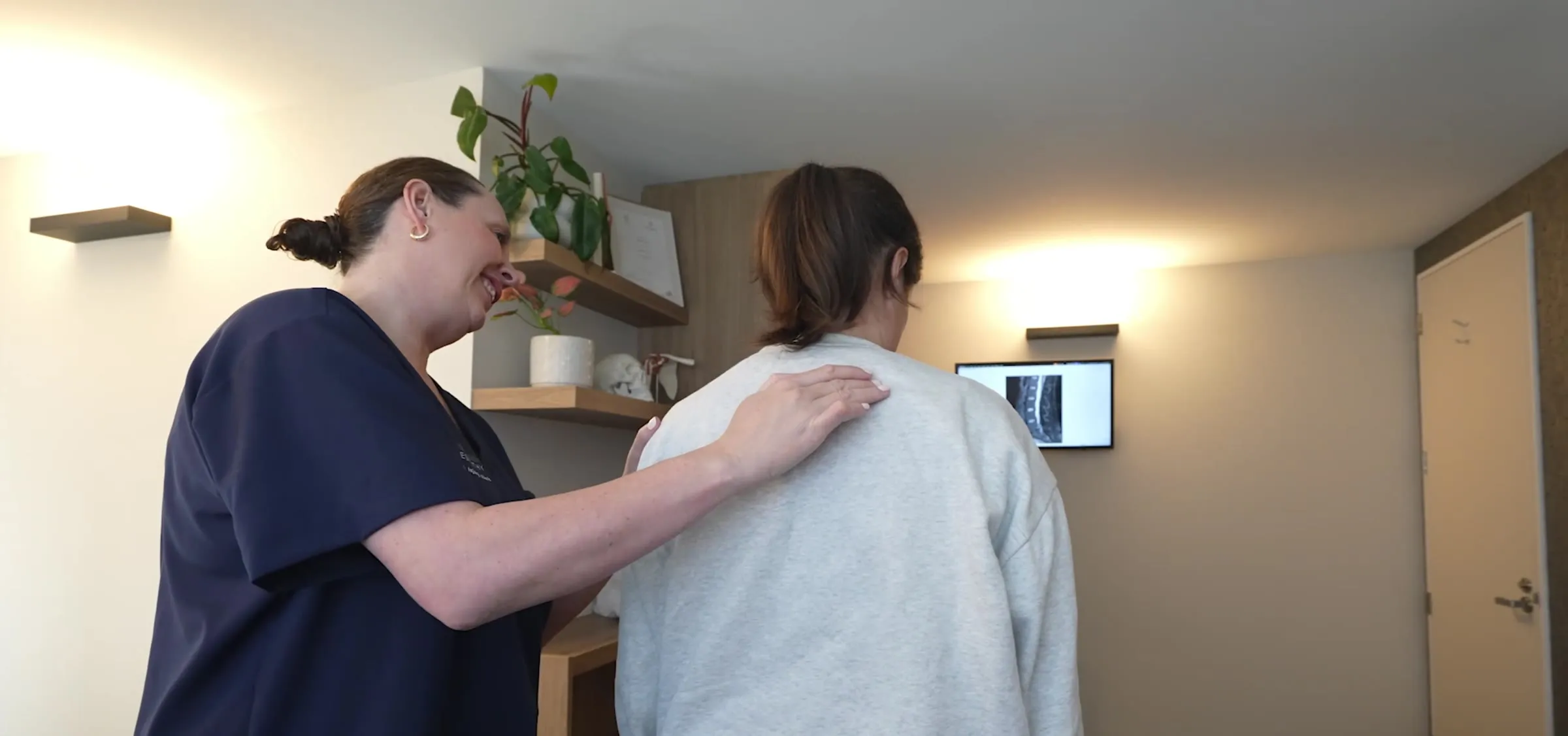
That's why we take the time to understand what's going on, what's important to you, and how we can help you move forward.
Our approach
We treat the root cause, not just the symptoms
We look beyond where it hurts to understand the problem, what may be contributing to it and what needs to change.
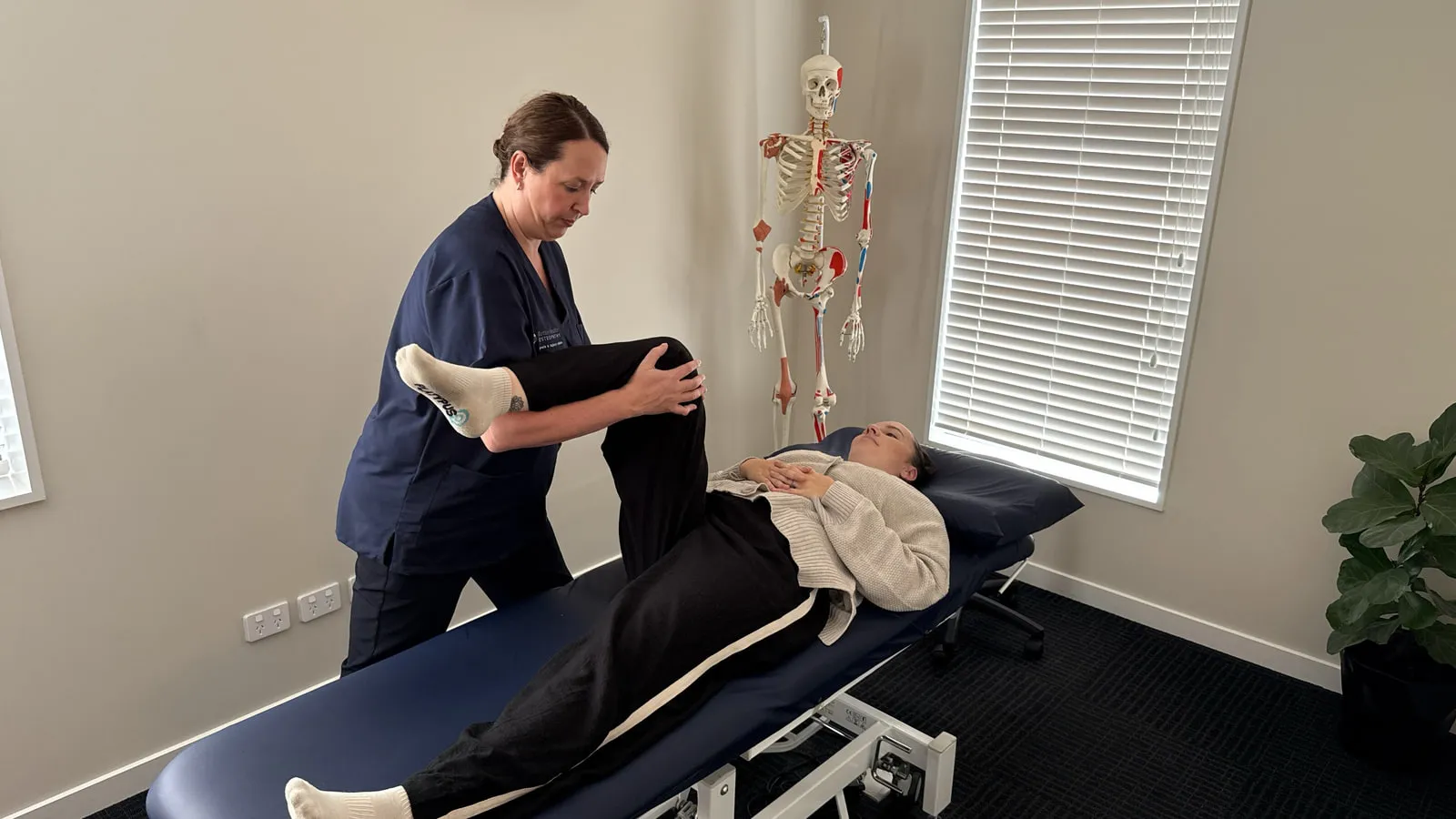
Your osteopath assesses your spine, movement, symptoms and the demands of your everyday life.
From there, we build a treatment and rehabilitation plan around you, with spinal decompression included when appropriate.
Why pain can persist
Why isn't my back or neck pain improving?
Your spine is involved in almost everything you do, from sitting and working to lifting, exercising and everyday movement.
When a joint, disc or surrounding tissue is irritated, the normal demands of daily life can continue to aggravate the area and slow recovery.
Understanding what may be contributing to your symptoms is an important part of helping you move forward.
The treatment
How spinal decompression works
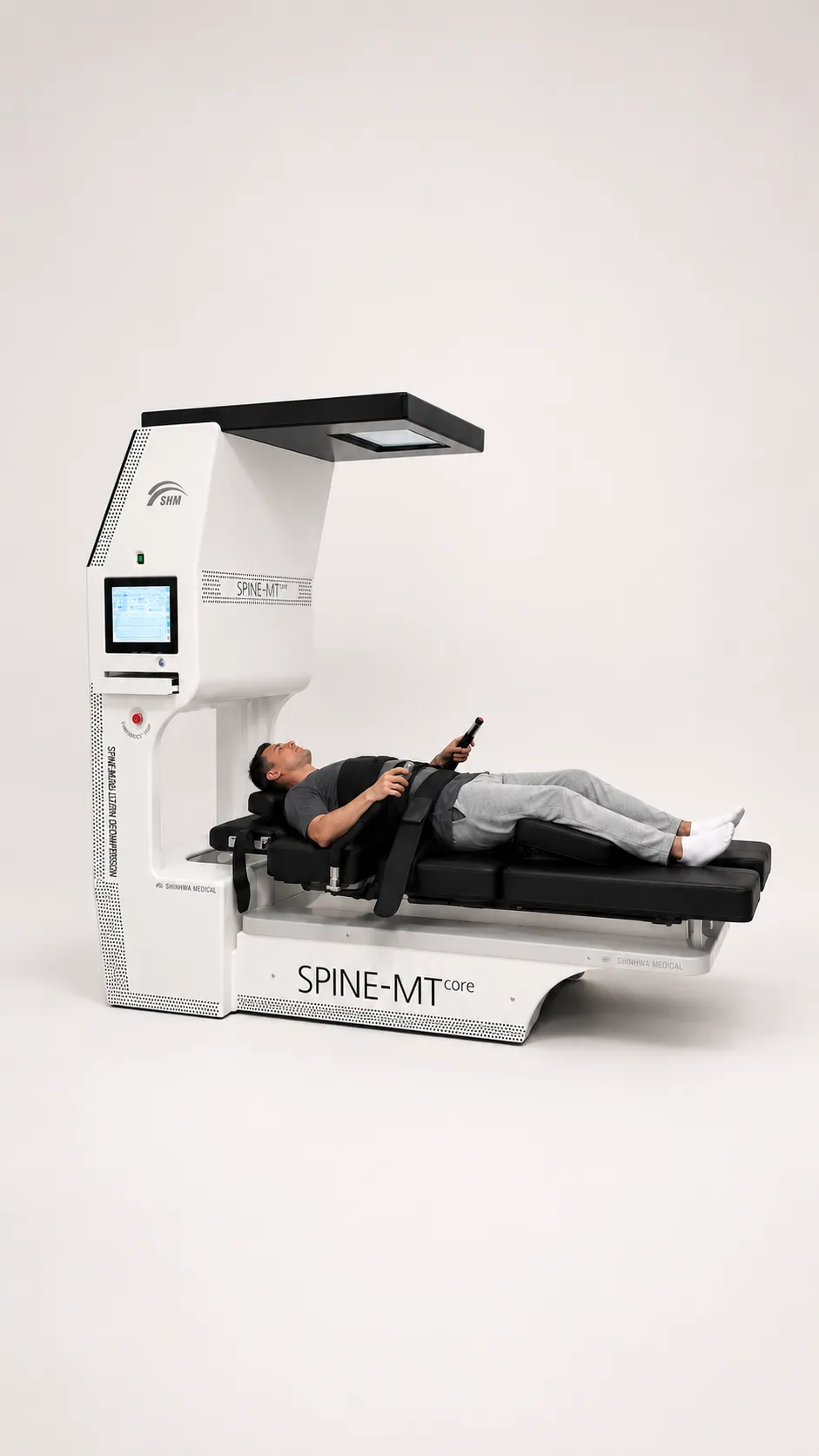
Spinal decompression uses slow, computer-controlled movements to gently stretch and mobilise targeted areas of your spine.
This controlled movement stretches surrounding muscles, ligaments and fascia, while helping to mobilise stiff or restricted spinal joints.
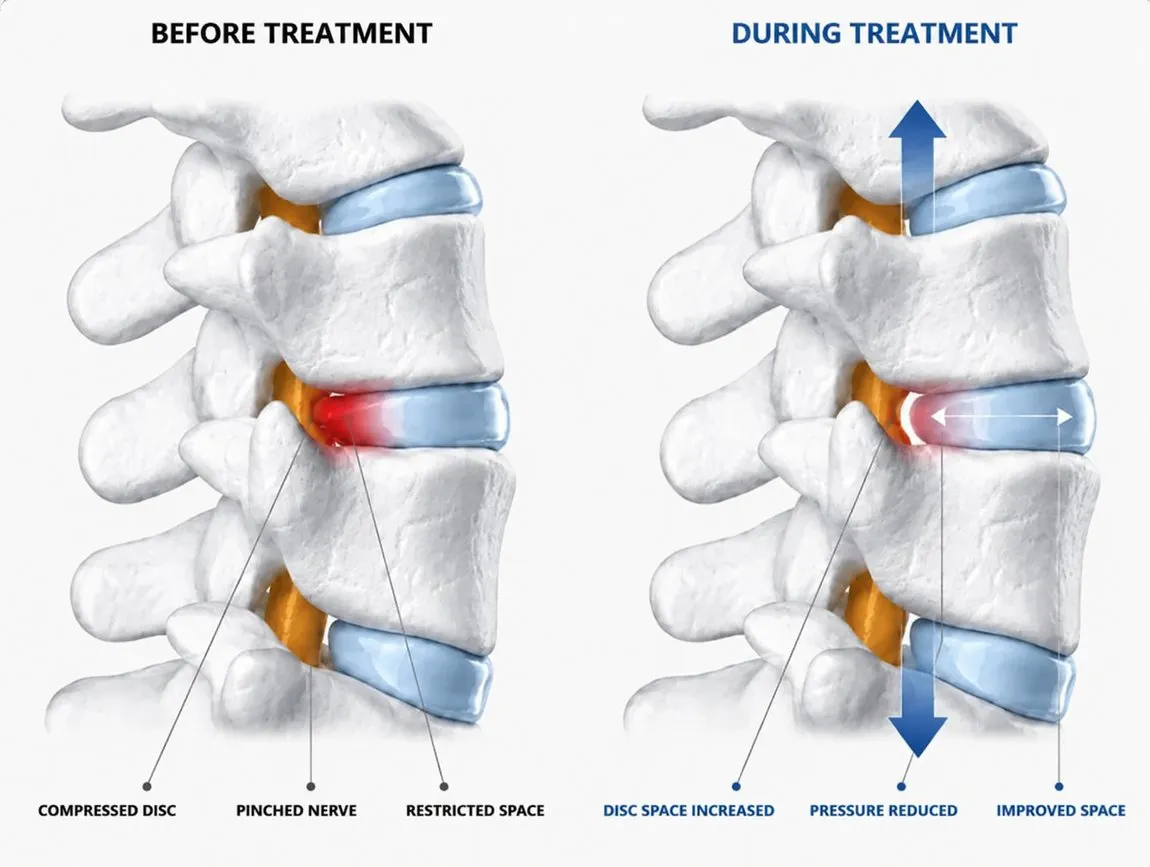
It may also help reduce pressure around irritated discs and nearby nerves, creating a better environment for movement and recovery.
How your care works
Your recovery pathway
No one goes straight onto the machine. Your care follows four clear stages, measured as you go.
-
Assess
Understand the problem
A thorough 30-minute osteopathic assessment, a clear diagnosis, and an honest view on what should happen next.
-
Treat
Reduce pain and irritation
A personalised course of treatment, which may include decompression, hands-on Osteopathy, or both.
-
Rebuild
Restore strength and movement
Targeted rehabilitation, so improvements are more likely to last beyond the treatment room.
-
Review
Measure progress
We review your outcome measures regularly, tracking pain, movement, and how your spine affects work, sleep and daily life.
What to expect
What a session is like
No anaesthetic, no needles, nothing invasive. You stay fully clothed and in control from start to finish.
-
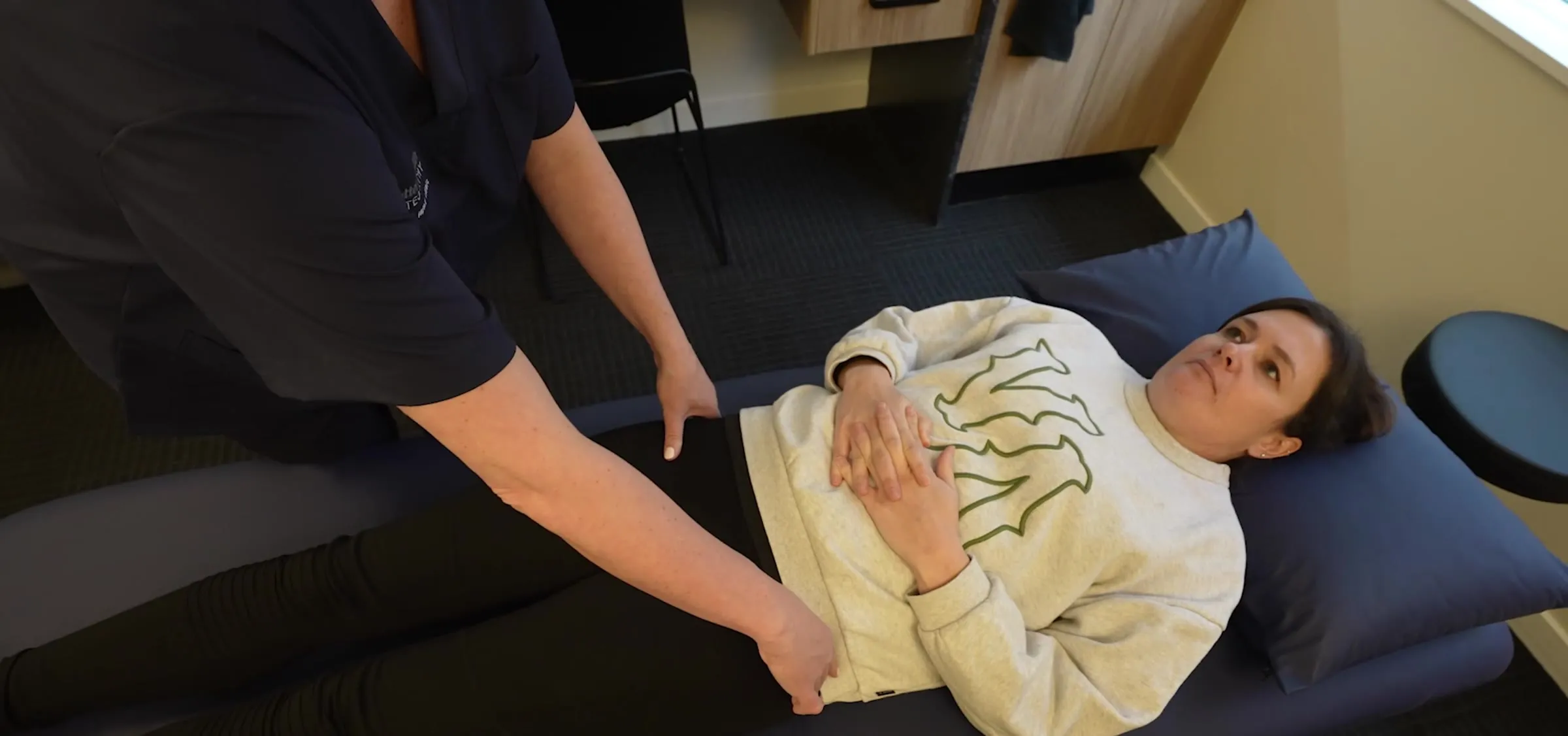
Step 1
You lie down, fully clothed
No gowns, no needles, no preparation. You lie comfortably on the treatment table.
-
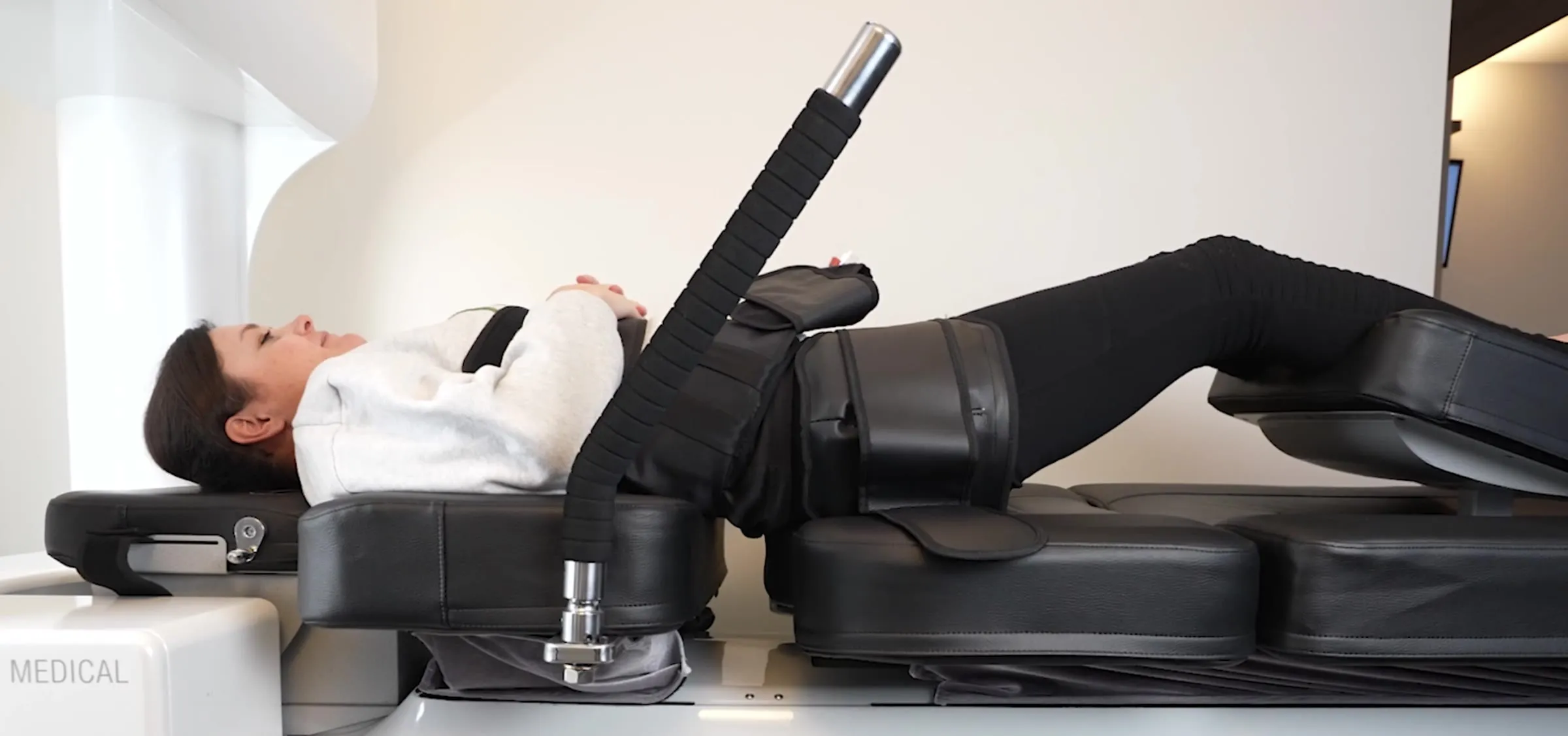
Step 2
The support harness is fitted
A padded harness supports the area being treated, so the machine can work precisely where it needs to.
-
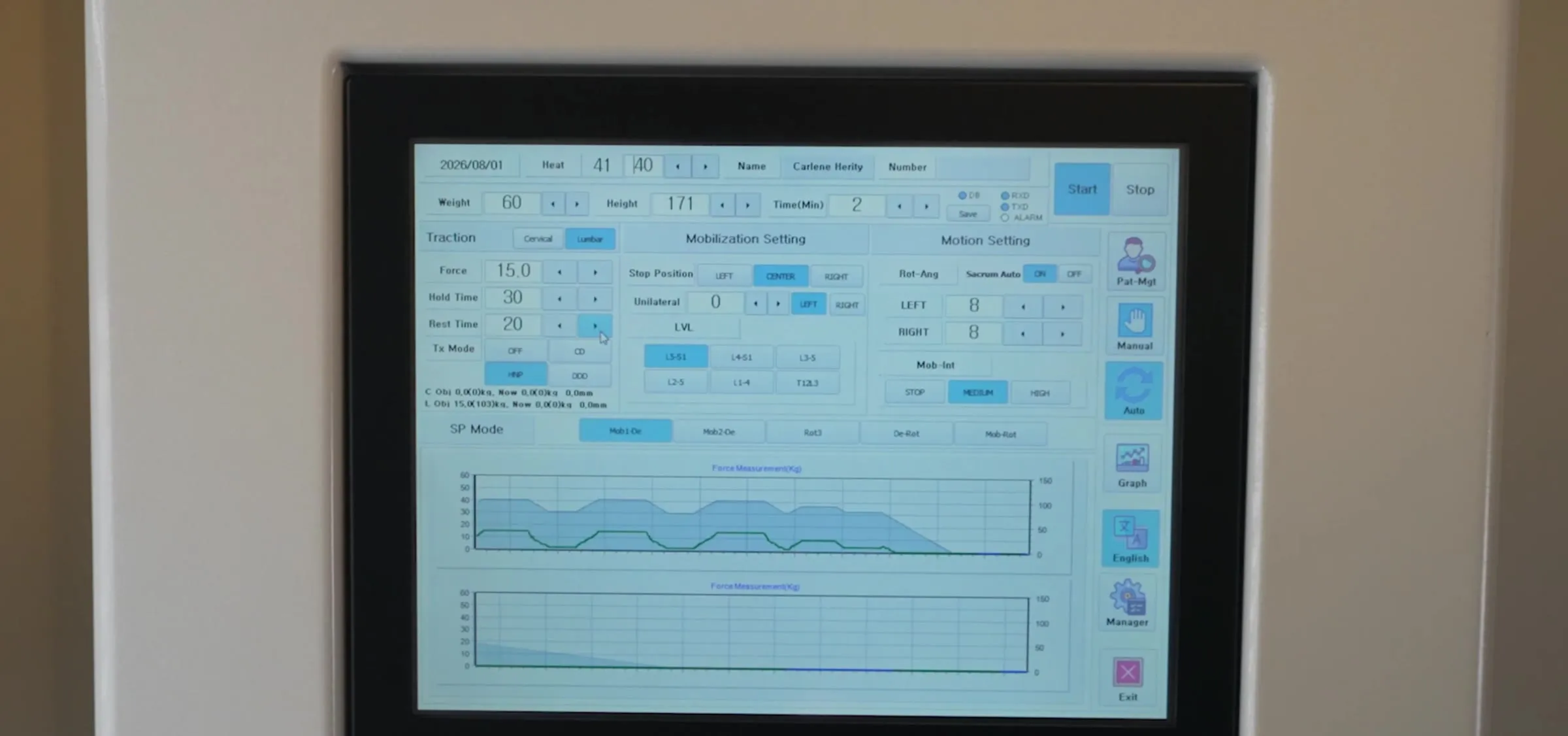
Step 3
Slow, computer-controlled cycles
The table applies slow, gentle stretching cycles for about 20 minutes, monitored throughout. You stay in control and can stop at any time.
-
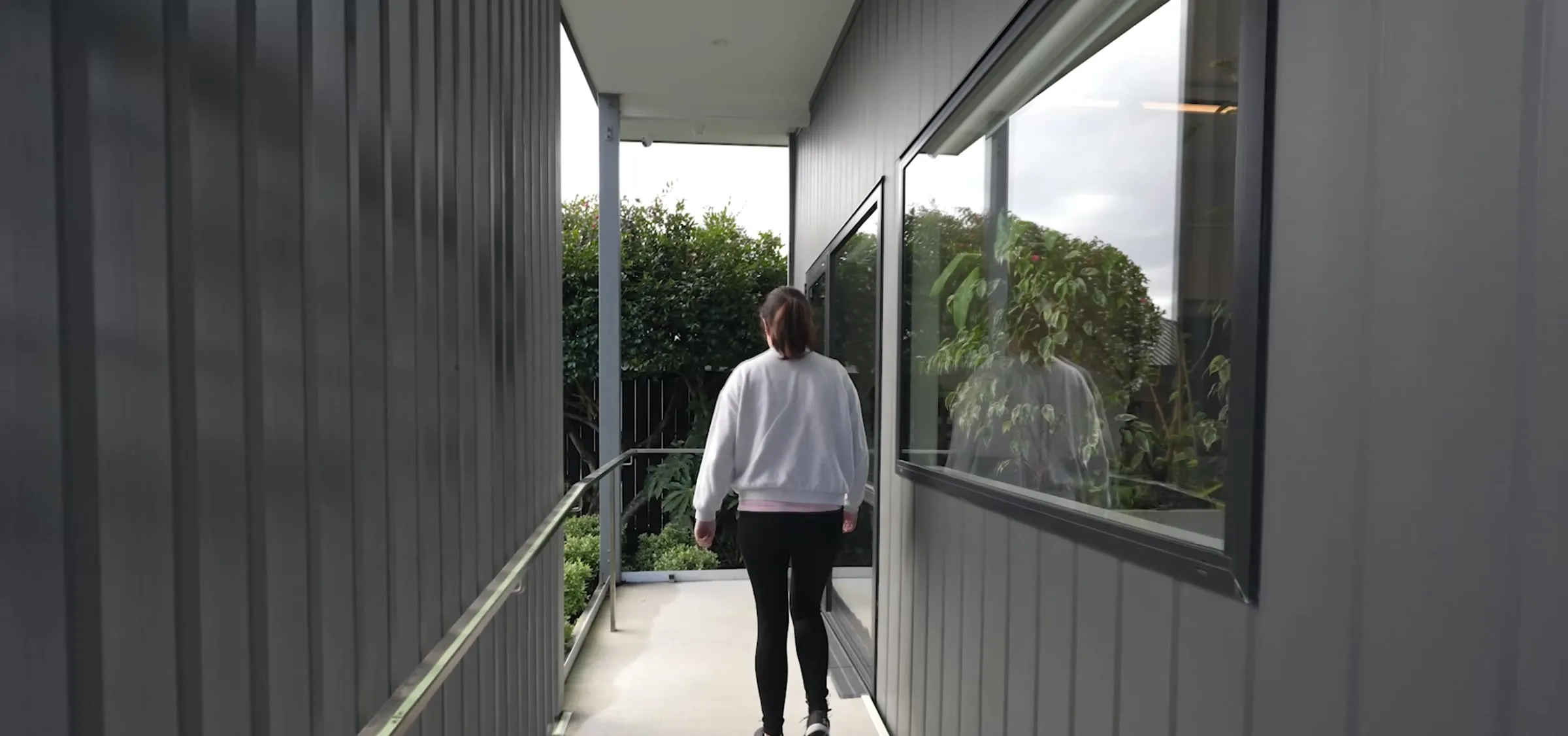
Step 4
You walk out and carry on
There is no anaesthetic and little or no downtime, so you can get on with your day.
In experienced hands
Experienced care you can trust
After helping thousands of Christchurch patients over the past decade, we introduced spinal decompression to provide another non-surgical option for carefully selected people with persistent back and neck problems.
Every treatment is overseen by our registered osteopaths, and combined with thorough assessment, ongoing review and personalised rehabilitation.
- The South Island's first Spine MT Core spinal decompression machine
- Cervical and lumbar treatment at our Fendalton clinic
- 416 Ilam Road, Christchurch
- ACC handled in-house, no GP referral needed
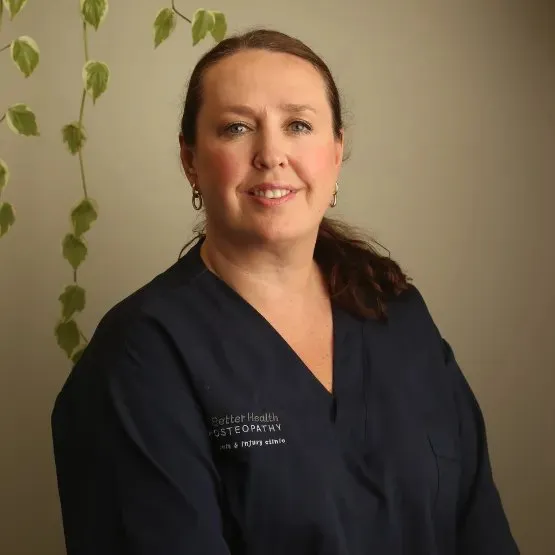
Lorraine Herity
Clinic Director and Registered Osteopath
"Bringing spinal decompression to the South Island is how we keep raising the bar for the people we look after."
Free suitability check
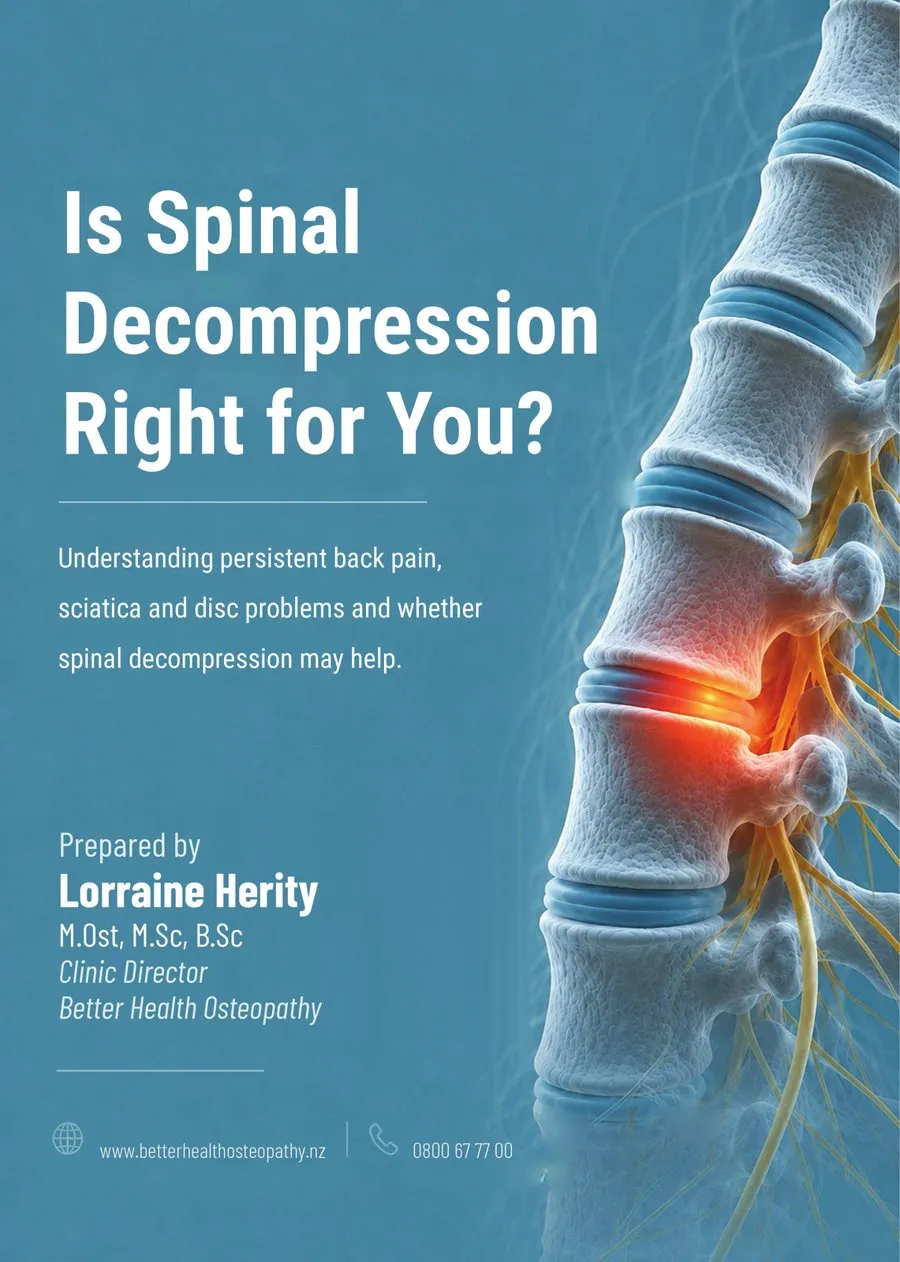
Could spinal decompression be an option for you?
Answer five quick questions to tell us a little about what you've been experiencing. If you'd like, one of our team will get back to you. We'll also email you our free spinal decompression guide.
Question 1 of 5
Last step: where should we send your guide?
Add your details to see your result now, and we'll email your free guide to keep. No obligation.
Reviewing your answers
Book your assessment
A short, no-obligation assessment, and your chance to ask us anything you like.
Book an assessmentWhat happens next
One of our team will be in touch shortly to talk through your answers and help you decide what to do next.
Patient experiences
Real stories from Christchurch patients
There is no better measure of our care than the experiences of the people we have helped. These are recent Google reviews from patients who have had spinal decompression with us.
-
"After a lot of apprehension, I decided to give the spinal decompression machine a go … The team took the time to explain the entire process and what to expect before treatment began, which really helped ease my nerves and made me feel comfortable. The treatment itself was surprisingly relaxing. I could have easily fallen asleep!"
-
"I have been receiving Spinal Decompression Treatment using Better Health's new motorised, computer controlled machine which gently stretches the spine. Before my first treatment I was sceptical, but during the treatment it felt great … I couldn't wait to get back for my second treatment and I will continue to go."
-
"I'd had five fantastic osteo treatments with Lorraine … and then several sessions on the spinal decompression machine with Kevin … I'm genuinely impressed and grateful."
-
"I've been having Spinal Decompression with Betterhealth … can't recommend the team highly enough"
These are individual patient experiences. Individual results vary, and suitability is always confirmed at an assessment.
Common questions
Your questions, answered
These are the questions we're asked most often. If something on your mind isn't covered here, just ask us.
Can spinal decompression help a disc bulge, prolapse or sciatica?
Can spinal decompression help persistent back or neck pain?
Does spinal decompression hurt?
How many treatments will I need?
Is it covered by ACC?
Is spinal decompression suitable for everyone?
Ready to take the next step?
Book a comprehensive osteopathic assessment and we'll determine whether spinal decompression is the right option for you. If it isn't, we'll explain why and recommend the treatment that's more appropriate.
Prefer to talk first? Call 0800 67 77 00
Your assessment includes:
- A thorough osteopathic assessment and spinal examination
- A clear diagnosis and personalised treatment plan
- Honest advice about whether spinal decompression is appropriate
- ACC handled in-house for eligible injuries, no GP referral needed
Individual results vary; suitability is assessed before any treatment.