Before you come in

Your first visit, explained

We'll listen to your story, explain what's happening, and help you understand the best path back to the life you love.

Same-day appointmentsNo GP referral neededACC handled in-house

Relaxed, informative, and focused on you

Many people feel nervous about seeing an osteopath for the first time. Our goal is to make your appointment relaxed, informative, and focused on helping you understand what's happening and what comes next.

5 minutes of prep
Wear comfortable clothing. Arrive 5 minutes early to fill out a short intake form.
Around 30 minutes
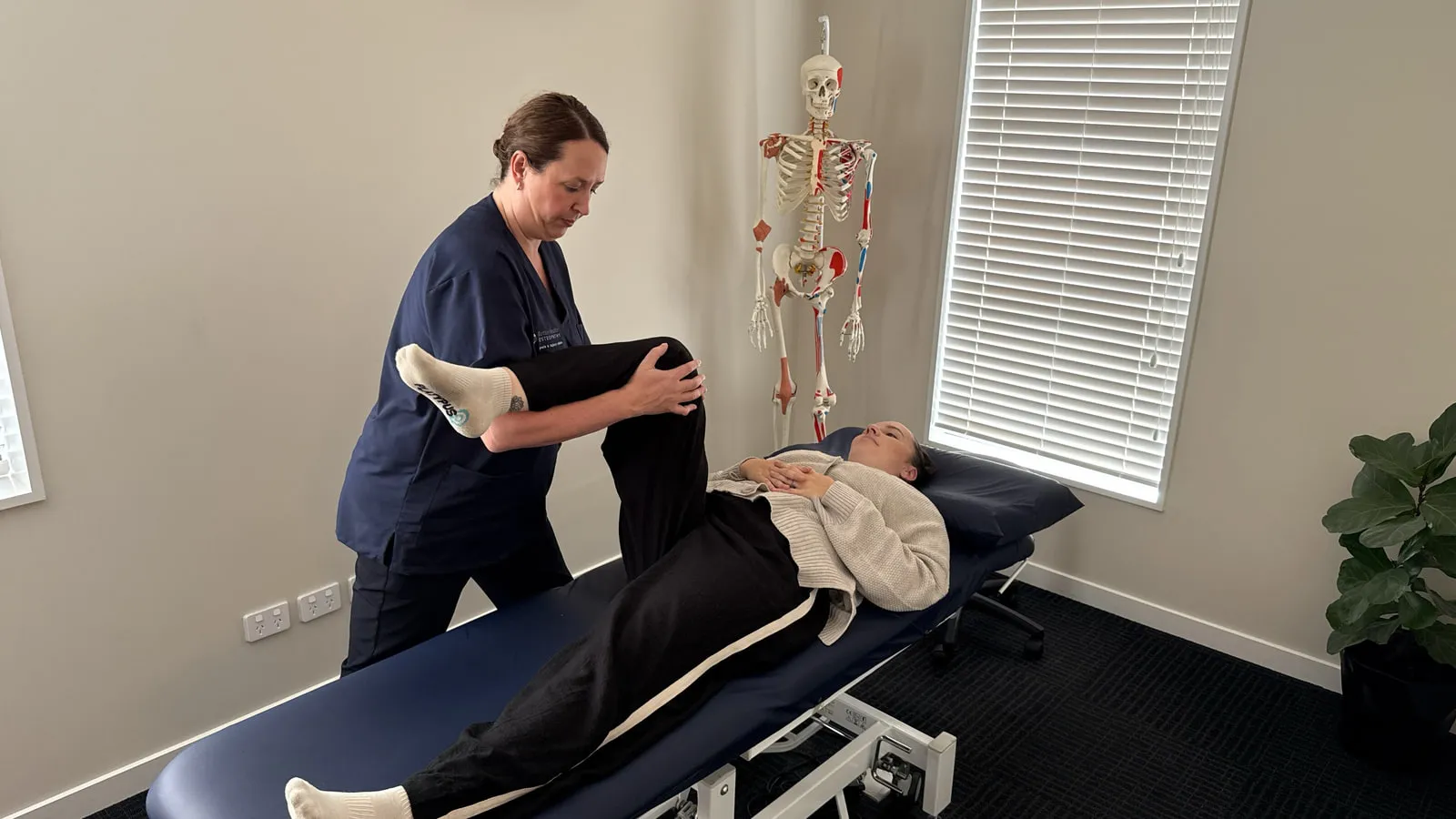
Conversation about what's been happening, physical assessment of the painful area and connecting regions, hands-on treatment, and a home plan.
A clear path forward
You'll leave with a working diagnosis, an explanation of what's driving your symptoms, a clear treatment plan, and an honest estimate of how many follow-ups it's likely to take.

You can book direct, with no GP referral. Call reception on 0800 67 77 00 if you have a question before you come in.

5.0 from 381 Google reviews across both clinics

What to bring, and what you can leave at home

There is not much to organise. Bring what helps us understand your story, and skip the rest.

What to bring

  • Details of how the injury or pain started: when, how, what made it better or worse. A rough recall is fine; you don't need exact dates.
  • Anything you've already done about it: GP visits, urgent care, scans, other practitioners, medication, exercises tried.
  • Any relevant medications: it helps to be able to mention blood thinners, steroids, or anything affecting bone density.
  • Comfortable clothing you can move in. Active wear is ideal.

What you don't need

  • A GP referral for ACC injuries (most musculoskeletal injuries are self-referrable).
  • An ACC claim number; the system looks you up by name and date of birth.
  • Receipts from prior treatment.
  • A specific diagnosis already; figuring that out is part of what we do.

Not sure whether your injury is covered? We sort the claim at your first visit, or read how ACC funding works first.

Five steps, every first visit

From the moment you walk in to the moment you leave: what an Osteopathy first appointment at Better Health Osteopathy actually involves.

  1. 01

    A careful conversation about what's happening.

    How did this start, what makes it better, what makes it worse, what have you tried, what do you need your body to handle in your work and life? This isn't filler. The history is often where the most important clues come from.

  2. 02

    A full physical assessment.

    We look at how you move. We assess the painful area directly, plus the connecting regions that share load with it (often the hip and lower back if it's a knee, often the upper back and jaw if it's a headache). We screen for red flags that warrant urgent medical care; this is non-negotiable for any first visit.

  3. 03

    What we think is going on, in plain English.

    We tell you what we think is going on, in plain English. If we're not sure, we say so. If something needs further input (imaging, GP review, specialist referral), we explain why and what the right pathway is.

  4. 04

    Hands-on treatment, tailored to you.

    Treatment usually starts at the first visit. The technique mix depends on what we find: soft tissue release, joint articulation, sometimes higher-velocity adjustment if appropriate and consented to, exercise prescription. We always tell you what we're about to do; you can ask for something different at any point.

  5. 05

    A home plan and the right next step.

    You'll leave knowing what's causing your symptoms, what to do at home, what recovery is likely to look like, and the next steps in your treatment plan.

Our goal isn't simply to reduce your pain. It's to help you understand why it's there, what's slowing your recovery, and what you can do to build better long-term health.

What the hands-on part might involve

Osteopathy uses a range of hands-on techniques. The mix depends on what your case needs, and we always tell you what we are about to do.

Soft tissue work: targeted pressure on muscles, fascia, and tendons to release tightness and improve circulation.

Joint articulation: gentle, controlled movement of restricted joints through their range, often without any clicking sound.

Higher-velocity adjustment: the rapid, sometimes-audible technique you may associate with this kind of care. Used when appropriate, with consent. We can deliver the same therapeutic effect with quieter techniques if you prefer.

Stretching and mobilisation: guided range-of-motion work for stiff areas.

Exercise prescription: simple, specific exercises to do between visits.

Education: explaining what's going on, what to do, what to avoid. The education side is genuinely important; understanding your condition reduces fear and improves outcomes.

Treatment is always tailored to you. After your assessment, we'll explain our recommendations, answer your questions, and provide the treatment we believe is most appropriate for your condition.


If something doesn't feel right

Your comfort matters. If you have questions, want to stop, or would prefer not to have a particular technique used, simply let us know. We'll always explain your options and adapt your treatment to what feels right for you. Your preferences are an important part of your care.

How follow-up appointments work

Your recovery plan is tailored to you. We'll recommend the number and timing of follow-up appointments based on your condition, review your progress regularly, and adjust your plan as you improve.

First-visit FAQs

Do I need to undress?

Not usually. If we need to assess a particular area, we may ask you to remove or adjust some clothing so we can examine it properly. We'll always explain why, ask for your consent, and ensure you're comfortable throughout your appointment.

Will I get treatment on the first visit?

Yes, in the vast majority of cases. After your assessment, your osteopath will usually begin treatment at the same appointment. Occasionally, if we identify signs that require further investigation or referral, we'll explain why treatment isn't appropriate at that stage and discuss the best next steps.

What if I feel sore afterwards?

It's normal to feel a little sore for 24 to 48 hours after treatment, particularly after your first visit. This usually feels like post-exercise muscle soreness and settles quickly. Gentle movement, heat, and staying well hydrated often help. If you have any concerns, we're only a phone call away.

How many sessions will I need?

Every treatment plan is personalised. Recovery depends on your condition, how long you've had it, and how your body responds to treatment. After your assessment, we'll explain what we've found, discuss your expected recovery, and recommend the treatment plan we believe gives you the best chance of recovering well.

What if I need to cancel or reschedule?

We know that unexpected things come up. If you need to change your appointment, simply reschedule through your booking confirmation email or give our friendly reception team a call. We appreciate as much notice as possible so we can offer the appointment to someone else who may need it.

Have a different question? Browse all FAQs →

Ready when you are

Ready to book your first visit?

We'll listen to your story, explain what's happening, and create a personalised plan to help you get back to the life you love.

  • Thorough assessment
  • Clear explanations
  • Personalised treatment plan