
When back pain or sciatica won’t settle, the hardest part is often not knowing what’s actually going on. You may have been offered a treatment called spinal decompression, read a few conflicting things online, and been left wondering whether it genuinely does something, or simply pulls your spine about and hopes for the best.
Understanding how a treatment works changes how you feel about it. It replaces uncertainty with a clear picture of what’s happening and why. So let’s take the mystery out of it: here’s what spinal decompression really does, what it can’t do, and how we work out whether it’s likely to help you.
This guide is part of our wider spinal decompression overview.
- Spinal decompression gently reduces pressure inside the disc and around irritated nerves using controlled cycles of stretch and release. It is non-surgical and non-invasive.
- It isn't old-fashioned traction. The computer control lets the treatment work with your body rather than against it, so muscles relax instead of guarding.
- Decompression creates the conditions for recovery. It does not do the healing on its own, which is why it works best alongside rehabilitation.
- Whether it will help you is decided by a detailed osteopathic assessment, not by symptoms or a scan alone. If it isn't right for you, we'll tell you.
What spinal decompression actually is
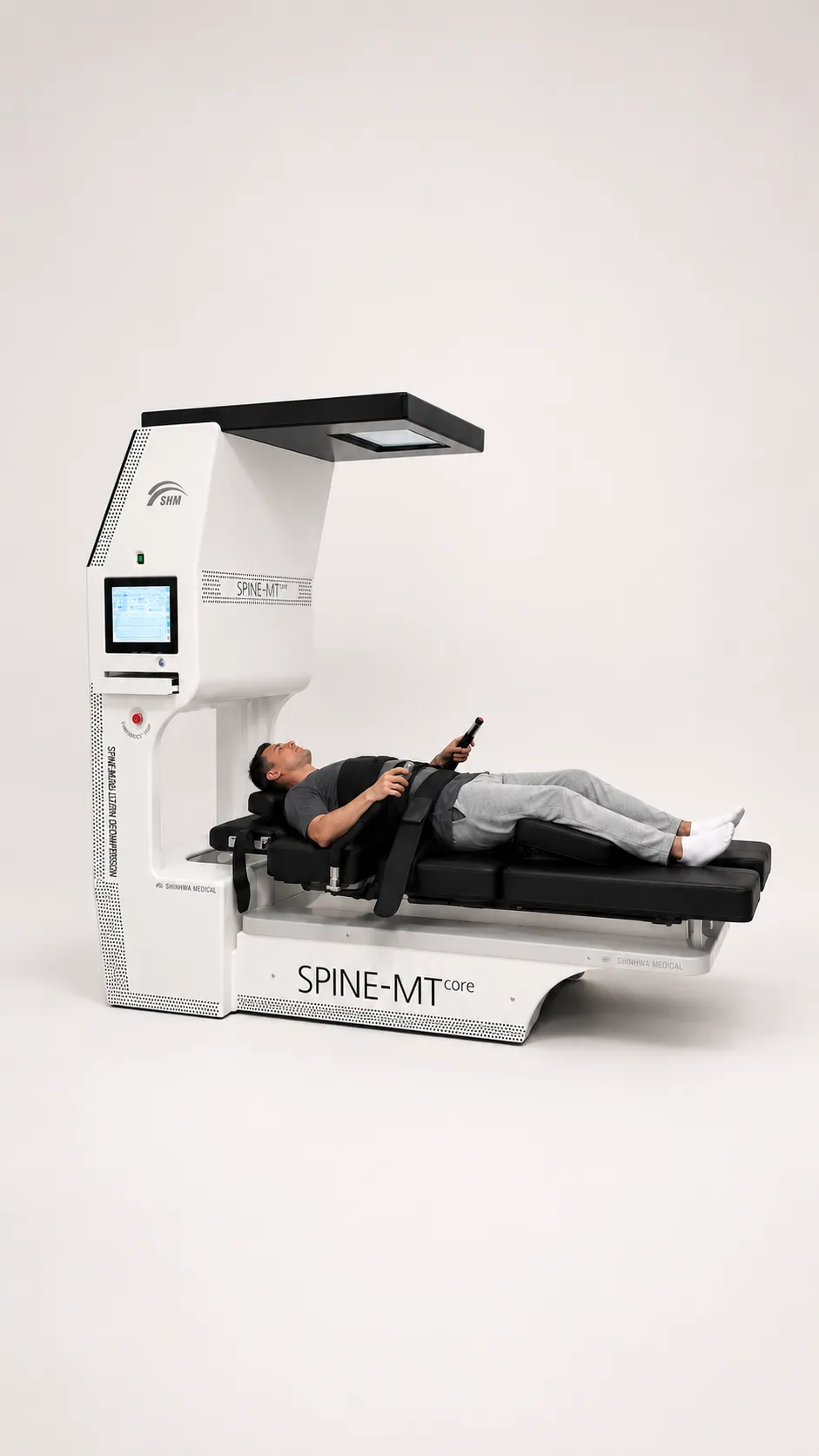
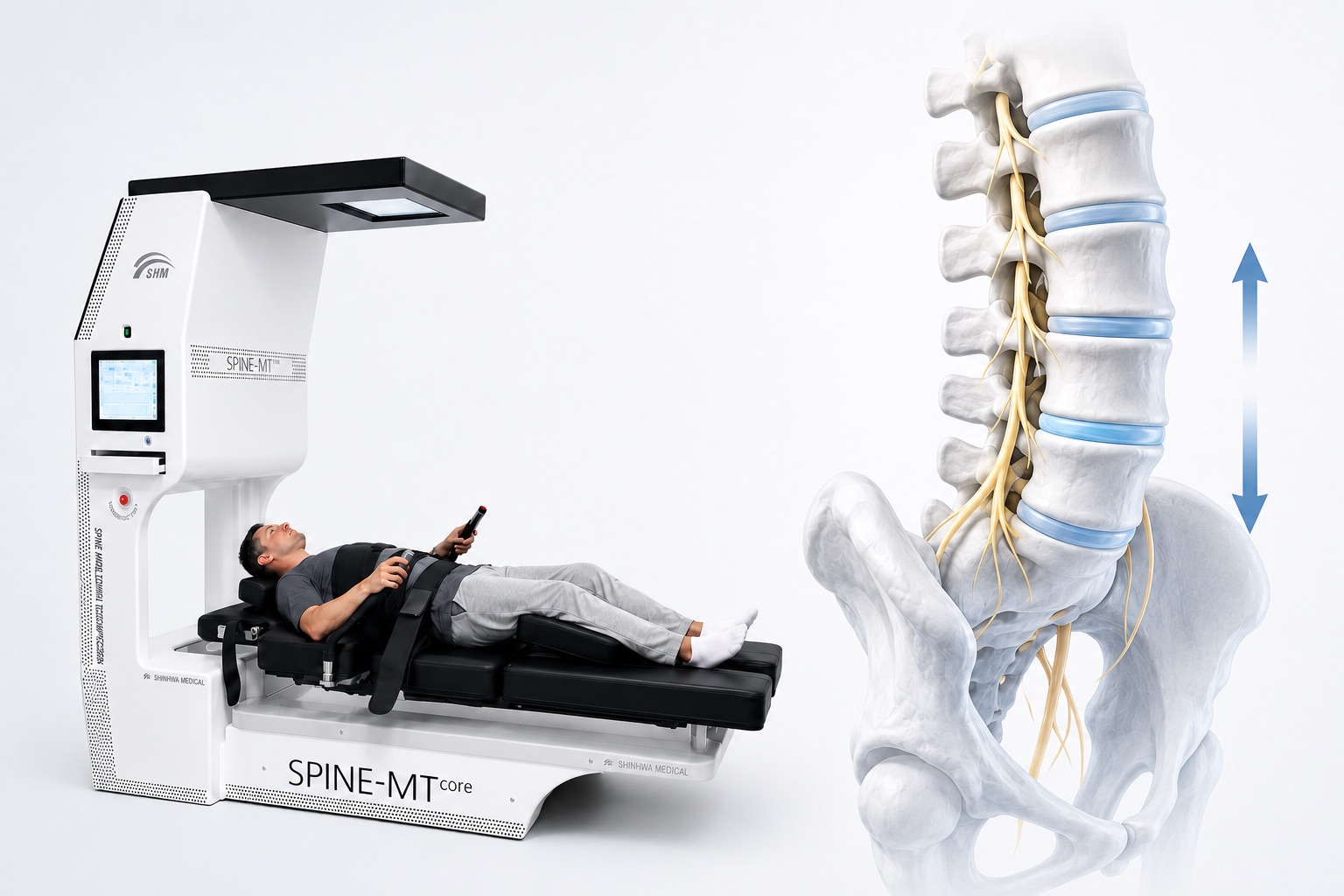
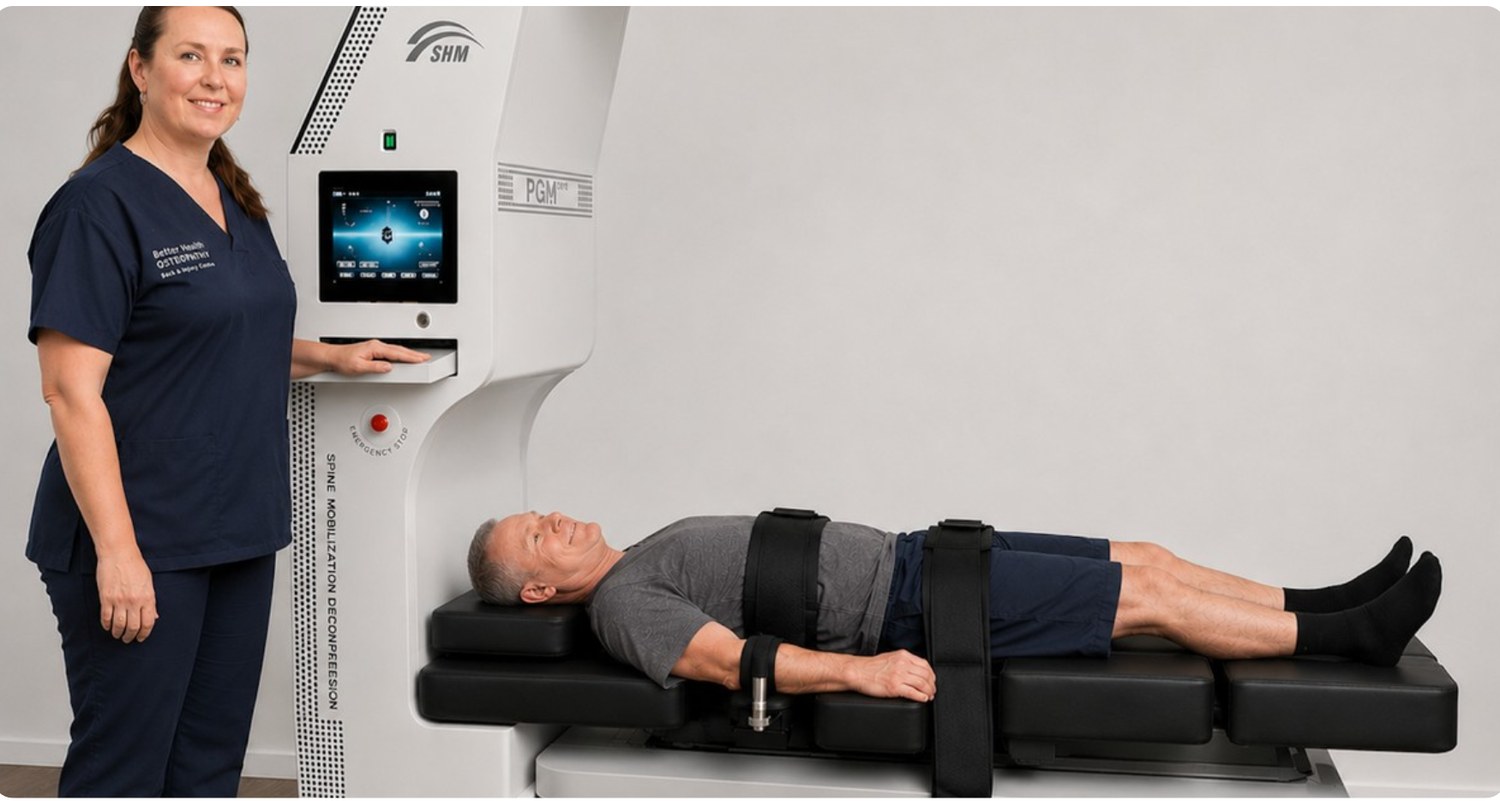
Spinal decompression is a non-surgical treatment that uses a specialised, computer-controlled table to apply a precise, gentle pulling force along the spine. You stay fully clothed and lie comfortably while the table delivers slow cycles of stretch and release to a specific level of your spine.
The word “decompression” is the key. Many spinal problems, such as a bulging or herniated disc, involve too much pressure on a disc and the nerve beside it. The aim of treatment is simple: create a little more space and a little less pressure in exactly the area that’s irritated, so it has a chance to settle.
It is not surgery, and it is not the same as being manually stretched or hung upside down. Everything is measured, gradual and monitored, and you can stop at any time.
How spinal decompression works
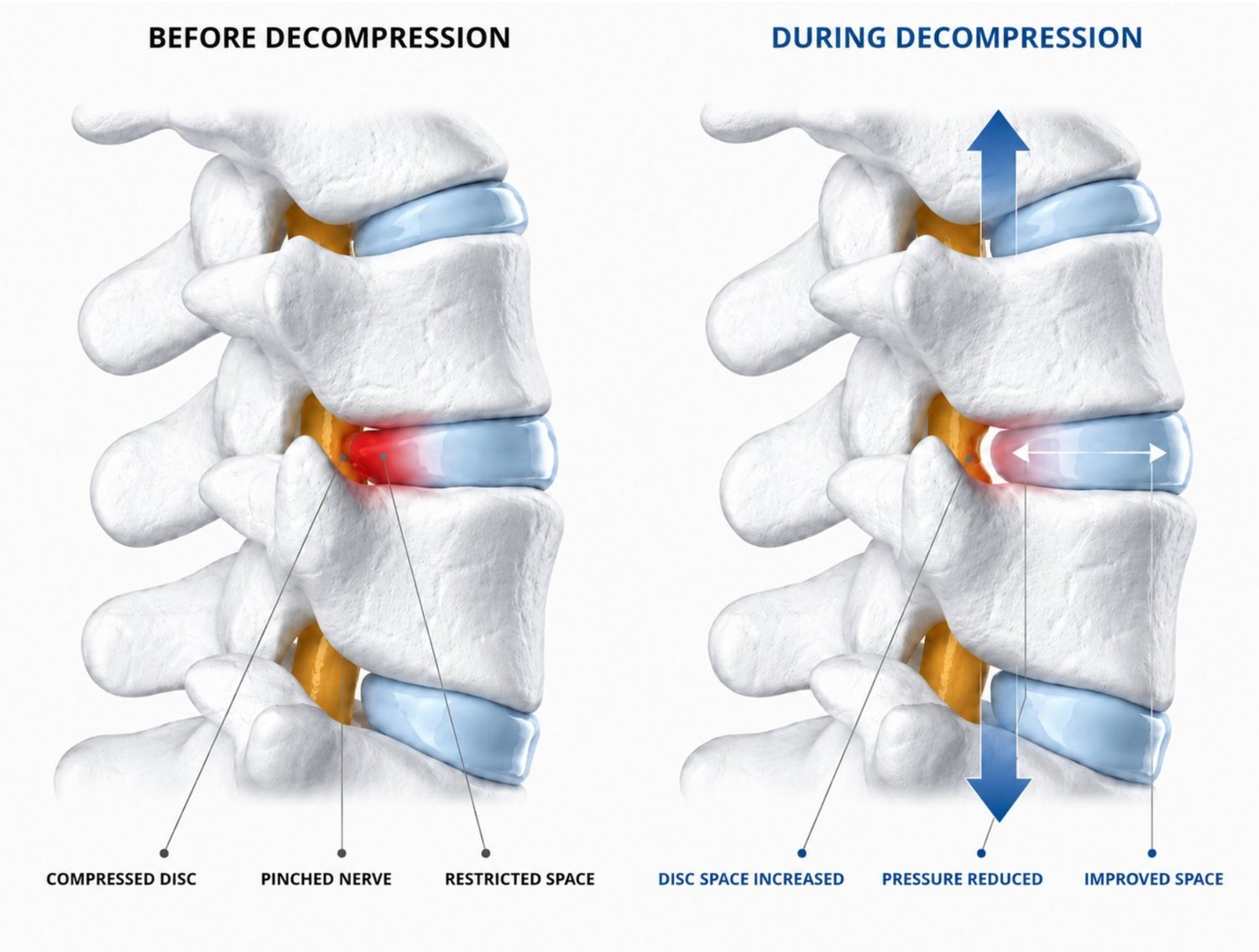
Think of a spinal disc as a soft cushion sitting between two bones of your spine. When a disc is injured, bulging or worn, it can press on a nearby nerve and cause the pain, tingling or numbness that many people know as sciatica. Reducing that pressure is the whole point of decompression.
During treatment, the gentle stretch slightly increases the space between the two bones. This lowers the pressure inside the disc, and here’s the interesting part: creating a small drop in pressure can encourage water, oxygen and nutrients to move back into the disc, which is how discs stay healthy. It also gives an irritated nerve a little more room, so it is less compressed.
How a disc receives nutrition
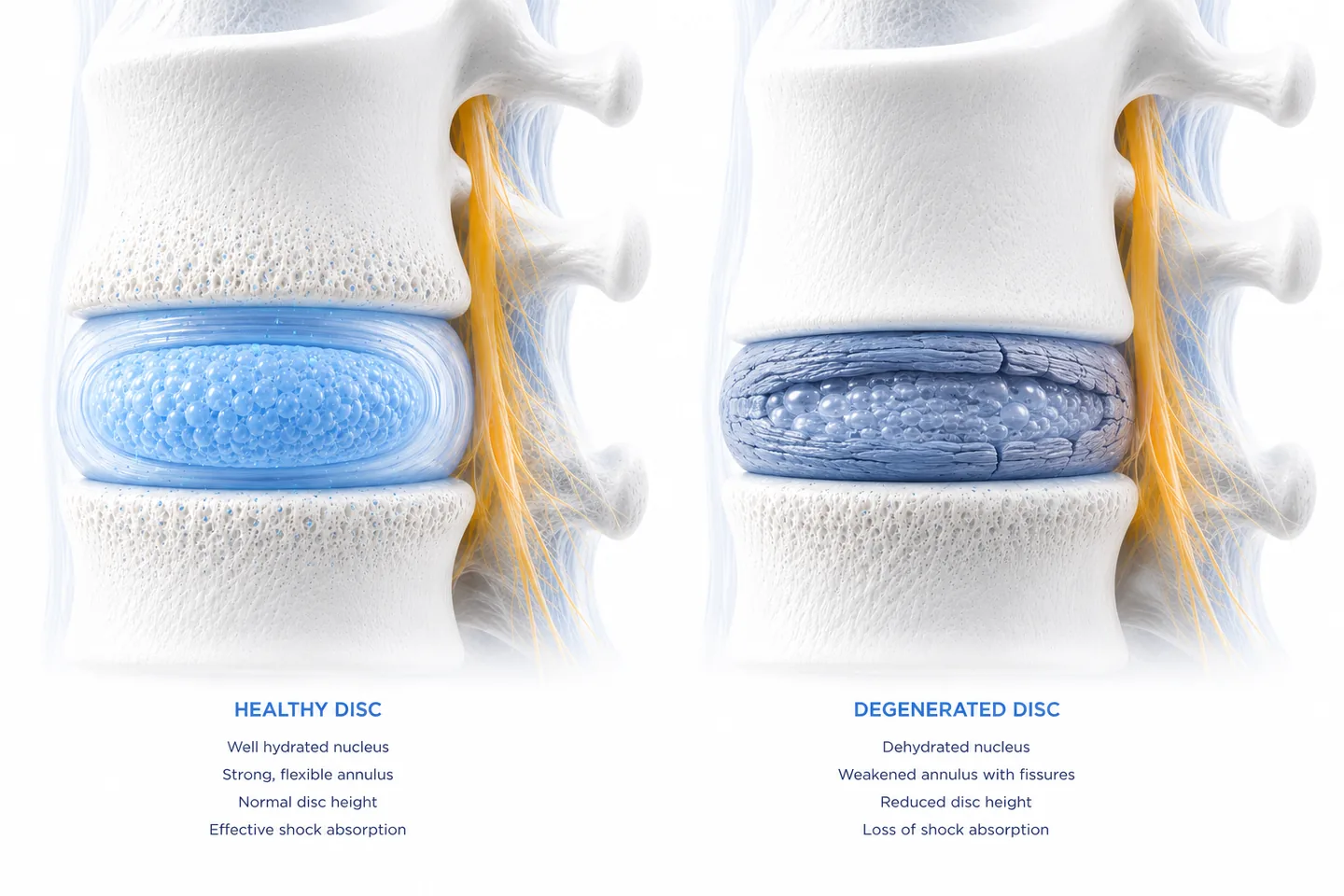
Here’s something that surprises most people: a spinal disc has no direct blood supply of its own. Instead of being fed by blood vessels the way most tissues are, it relies on movement and changes in pressure to draw fluid, oxygen and nutrients in and push waste out, a process called diffusion. This is why gentle, cyclical loading matters for disc health, and part of why easing and restoring pressure through the disc during decompression is thought to support the environment a disc needs to recover.
Over time, when a disc loses hydration and its ability to exchange fluid efficiently, it can dry out, lose height and develop small cracks. This is disc degeneration, and it’s a common source of the stiffness and disc-related pain that brings people in. Decompression can’t undo years of wear, but by easing pressure and supporting fluid exchange it aims to give a struggling disc a better environment to settle.
Small studies suggest non-surgical decompression can restore a little disc height and is associated with reduced disc-related pain in suitable patients, though the research base is still developing and results vary from person to person.1
It’s worth being honest here: decompression is not a miracle, and the evidence for traction-based treatments used on their own is mixed. What the better research points to is that decompression can be a useful part of a wider plan for the right person, rather than a stand-alone cure.2,3
Why the whole spine matters
Easing pressure on one disc is useful, but it rarely tells the whole story. Pain in one part of your spine is often influenced by how the areas above and below are moving and loading. This is why we assess the whole person, not just the sore spot on a scan.
- Above the painful area: stiffness through the mid-back or neck can change how your lower spine moves and loads, adding strain to the level that’s already irritated.
- The painful level itself: this is where a disc may be bulging or a nerve compressed, and where decompression is targeted to ease pressure.
- Below the painful area: tight or weak hips and pelvis, or a change in how you walk to avoid pain, can keep overloading the same spinal level long after the flare-up.
Decompression addresses the local pressure. Hands-on treatment and rehabilitation address how the rest of the chain is contributing, and together they give a more lasting result than treating the disc in isolation.
Who it helps, and who it doesn’t
Because decompression works by easing disc and nerve pressure, it tends to suit problems where that pressure is the main driver of symptoms. It is not the right choice for everyone, and there are situations where it should be avoided entirely.
May suit
- Disc-related back or neck pain
- Sciatica and nerve-related leg pain
- Disc bulges, a slipped disc or disc injuries
- A pinched nerve causing shooting pain, tingling or numbness
- People weighing up a non-surgical option first
May not suit
- An active or recent spinal fracture
- Severe osteoporosis
- Cancer affecting the area being treated
- Recent spinal surgery or unstable hardware
- Pregnancy, or an active infection in the area
These are general guides only. If you want a fuller picture of suitability, our guide on who spinal decompression suits goes deeper. Either way, we screen carefully at your consultation for anything that would make it unsuitable, or that points to a better option.
How we decide it’s right for you
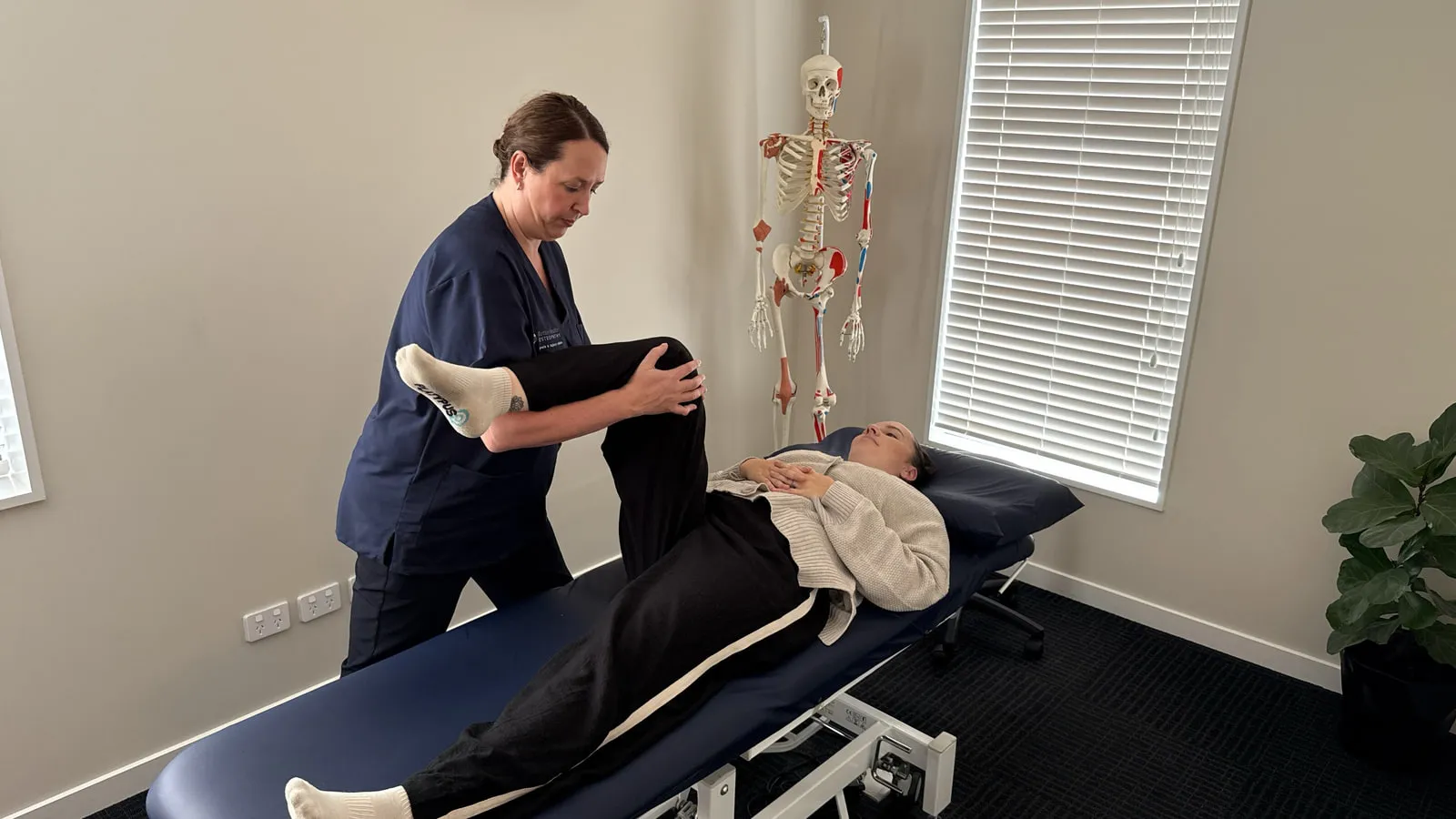
Knowing how decompression works is only half the picture. The other half is knowing whether it’s the right tool for your particular problem, and that comes from assessment, not assumption. Everyone starts with a comprehensive osteopathic consultation, and treatment only follows if it’s appropriate.
Your pathway with us
-
Osteopathic consultation
We take a detailed history, examine your spine and movement, and screen for anything that needs medical care, then tell you honestly whether decompression is likely to help.
-
Spinal decompression
Where it's the right fit, gentle, computer-controlled sessions ease pressure off the affected disc and nerve so the area can settle.
-
Rehabilitation
We rebuild the strength and control that protect your spine. This is what helps stop the problem returning, and it is an essential part of your recovery, not an add-on.
When to seek urgent help
Frequently asked questions
Is spinal decompression the same as old-fashioned traction?
No. Traction applies a steady, constant pull, which can make the back muscles tense and resist. Spinal decompression uses computer-controlled cycles that gently ease on and off, so the muscles relax and the stretch reaches the disc that needs it.
Does spinal decompression really work?
It can help the right person, but it isn't a guaranteed fix and it isn't a cure on its own. The evidence is strongest when decompression is used as part of a plan that includes rehabilitation, rather than as a stand-alone treatment. Whether it's likely to help you is something we assess before recommending it.
Does spinal decompression hurt?
For most people, no. The treatment is gentle and many people find it relaxing. You stay fully clothed, lie comfortably, and can stop at any time if anything feels uncomfortable.
How many sessions before I notice a difference?
It varies from person to person and depends on your condition, goals and how you respond. Some people notice changes early, others take longer. After your assessment, and only if decompression is appropriate, we'll talk through a realistic plan openly.
Can spinal decompression make a herniated disc worse?
When it's appropriate and applied correctly, it is designed to reduce pressure on the disc, not increase it. The careful screening at your assessment is there precisely to identify anyone for whom it wouldn't be safe or suitable, so it's used only when the benefits are likely to outweigh any risk.
Do I still need to do rehabilitation exercises?
Yes. Decompression eases pressure, but rehabilitation rebuilds the strength and control that keep the problem from returning. The two work together, which is why we treat the exercises as an essential part of recovery, not an optional extra.
How much does spinal decompression cost?
The cost depends on your individual plan, since the number of sessions and whether decompression is combined with other treatment varies from person to person. We work this out at your assessment, once we understand what's driving your pain and whether decompression is likely to help.