
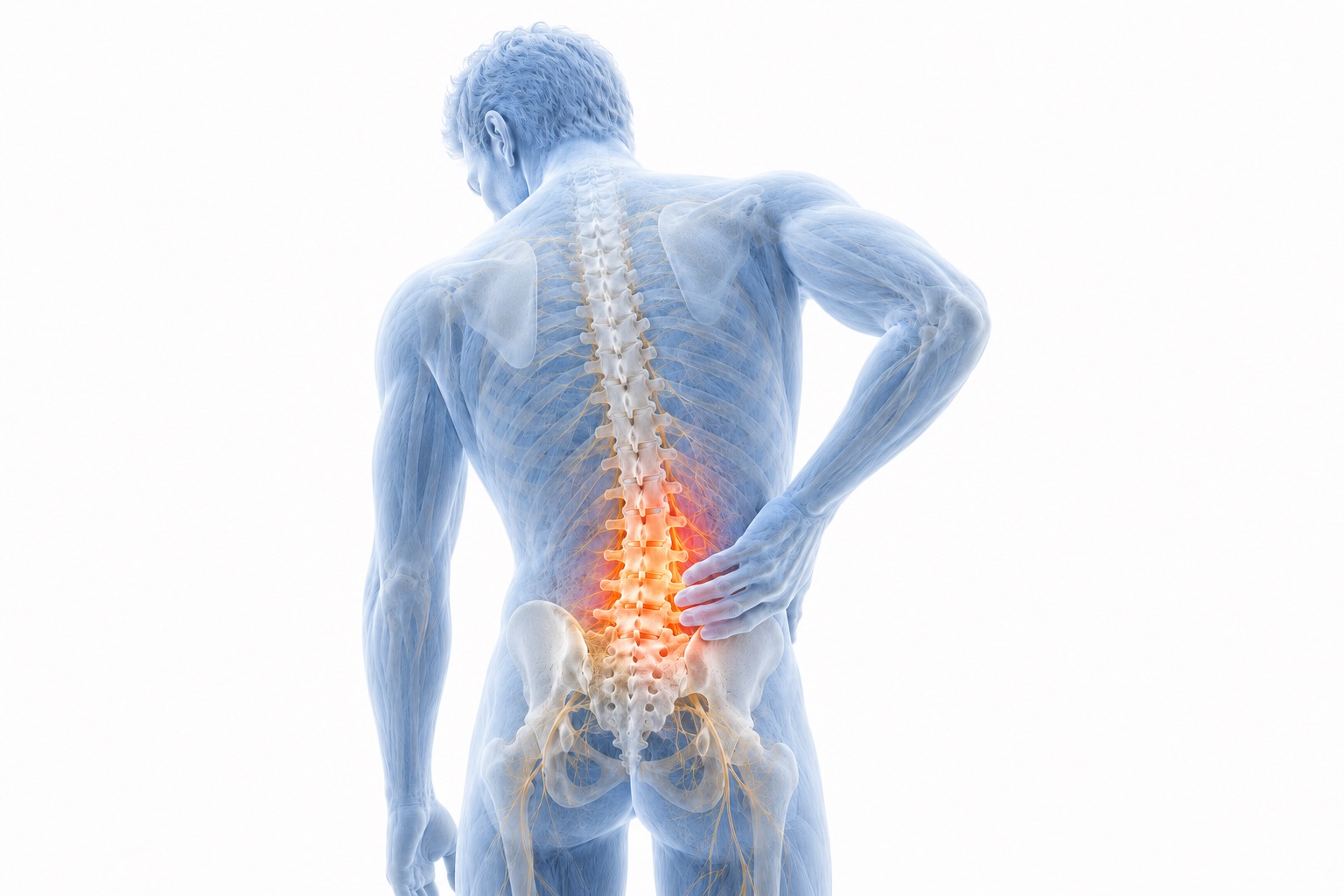
Persistent back pain can affect much more than just your spine. We see every day how it stops people getting to the gym, makes work harder than it should be, leaves them thinking twice about picking up their child or grandchild, or forces them to give up the sports and hobbies they enjoy. Even simple things like gardening, walking the dog or sitting through a long car journey can become something they have to plan around.
Many people tell us they feel like they’re constantly managing their back rather than living the life they want. If that sounds familiar, it’s natural to wonder whether there’s a non-surgical option worth exploring, and whether it could help you avoid surgery.
This guide is part of our wider spinal decompression overview: it explains how spinal decompression works, who it is most likely to help, and how we determine whether it’s the right treatment for you.
- Spinal decompression can help some people with low back pain, disc-related pain, sciatica and a pinched nerve, and may be worth exploring before surgery.
- It works best as one part of a plan: osteopathic assessment, decompression, and rehabilitation to strengthen your back.
- Whether it suits you is decided by a detailed osteopathic assessment, not by symptoms or a scan alone.
- If it is not right for you, we will tell you, and point you towards what is.
Who is most likely to benefit
There is no “typical” spinal decompression patient. We see people from their 20s through to their 80s and beyond. Some have developed a disc injury lifting weights at the gym. Others have recurring sciatica after years of physical work, while some find that persistent back pain has gradually become more limiting over time.
Many simply want to get back to the things they enjoy, whether that’s working without constant pain, exercising with confidence, playing sport, or keeping up with their children or grandchildren. Others have been told surgery may be an option and want to explore whether there’s a suitable non-surgical treatment first.
What they all have in common is that their symptoms appear to be coming from irritated structures in the spine, such as a damaged spinal disc or a compressed nerve. A thorough assessment helps us determine whether spinal decompression is likely to help as part of a broader rehabilitation plan.
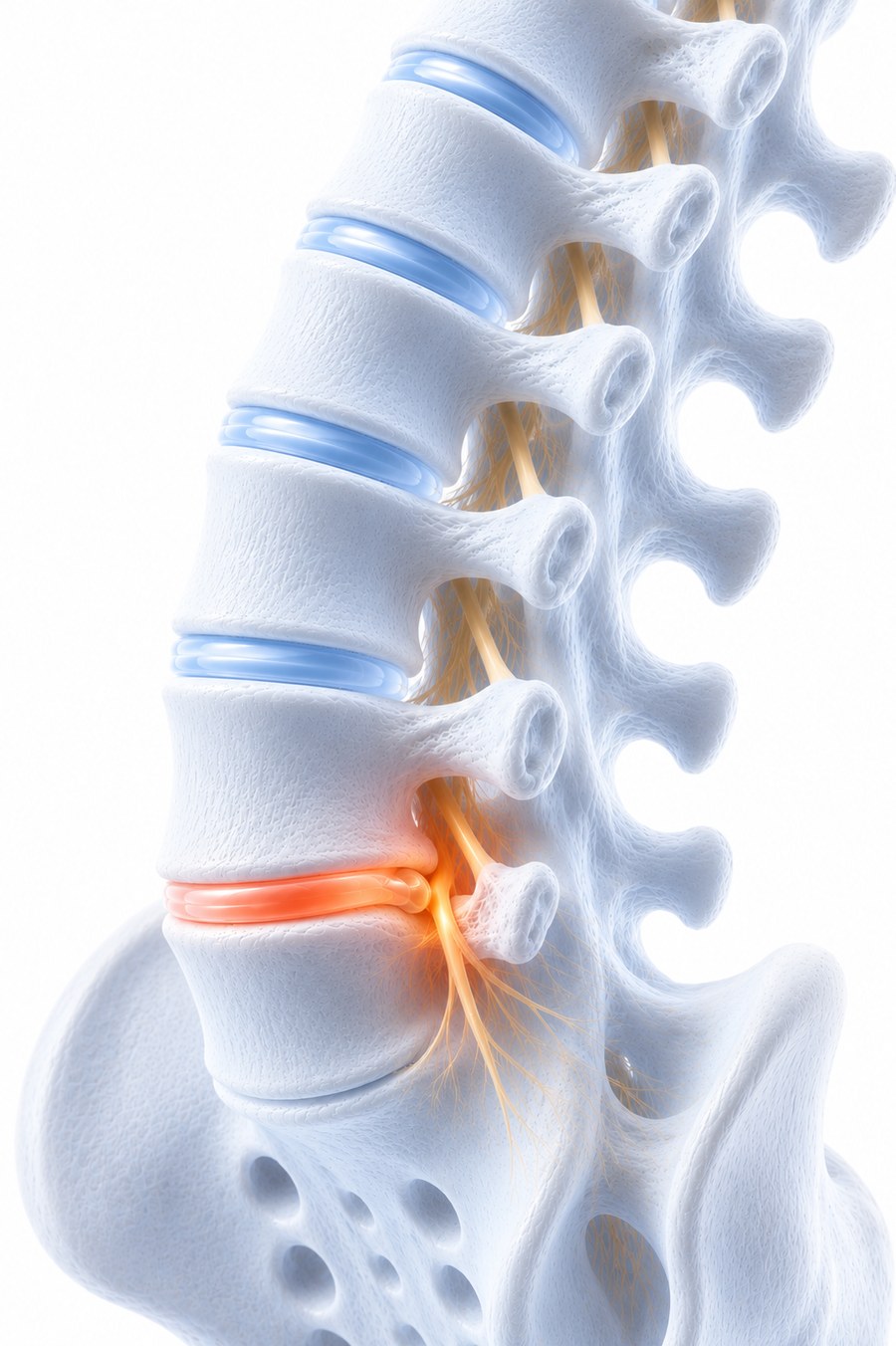
Every recommendation is based on your symptoms, physical examination, movement, overall health and goals, not simply on what an MRI shows.
May suit
- Acute, chronic or recurrent low back pain
- Disc-related back or neck pain
- Sciatica and nerve-related leg pain (radiculopathy)
- Disc bulges, a slipped disc and disc injuries (prolapse)
- Certain degenerative disc conditions
- A pinched nerve in the back: shooting pain, tingling or numbness
- People weighing up a non-surgical option
May not suit
- An active or recent spinal fracture
- Severe osteoporosis
- Cancer affecting the area being treated
- Recent spinal surgery or unstable hardware
- Spinal cord compression needing surgery
- Pregnancy
- Active infection in the area
These are general guides only. During your consultation we carefully screen for anything that may make spinal decompression unsuitable, or that points to another treatment being a better fit.
One thing worth knowing: if your pain is very recent, conservative care usually comes first. Most new episodes of disc-related pain settle over six to twelve weeks with hands-on treatment, movement and time, so decompression tends to suit people whose symptoms have persisted despite that, rather than being the first thing we reach for.
Recognise yourself above? A consultation is the fastest way to know for sure.
How spinal decompression works
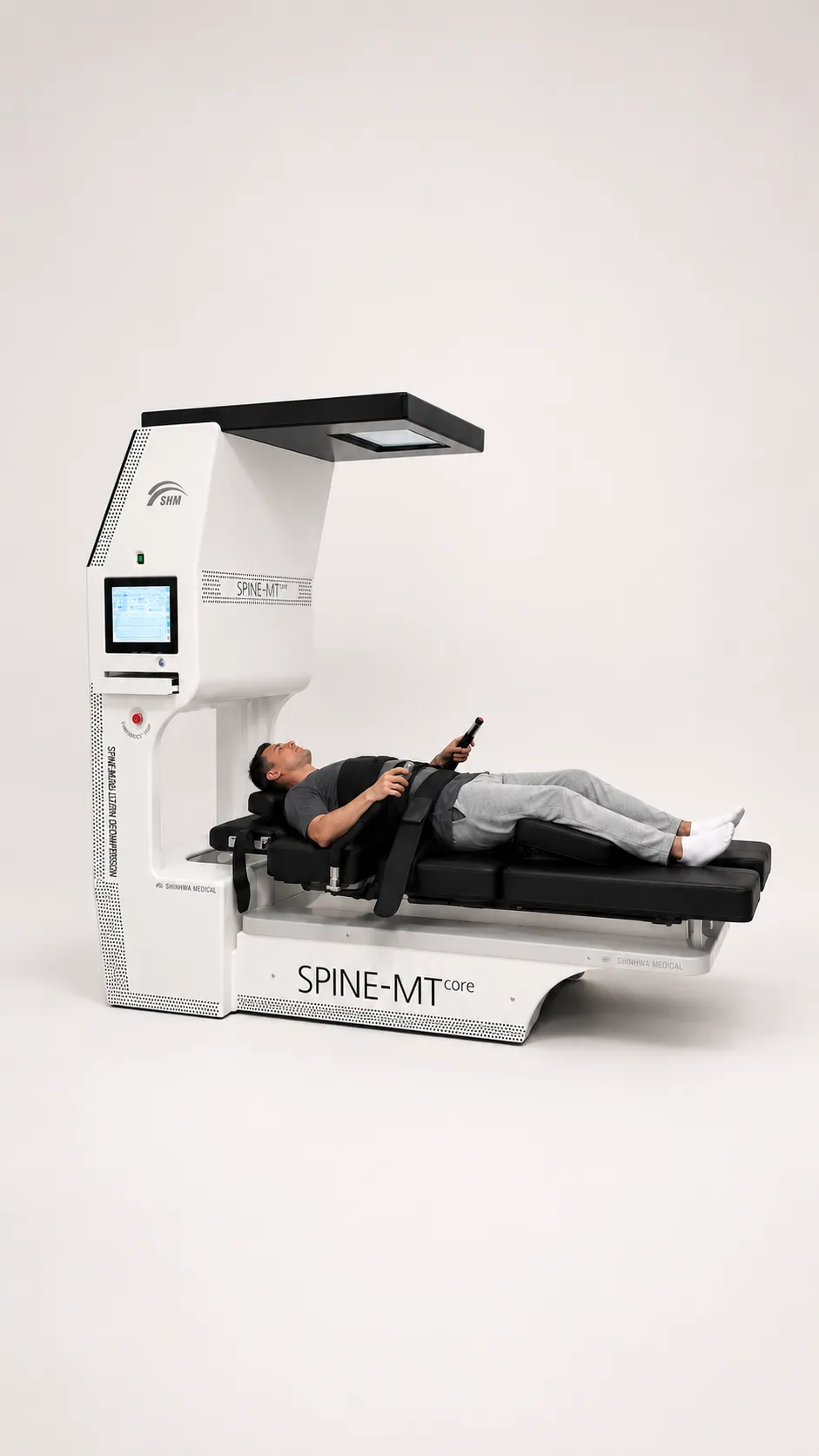
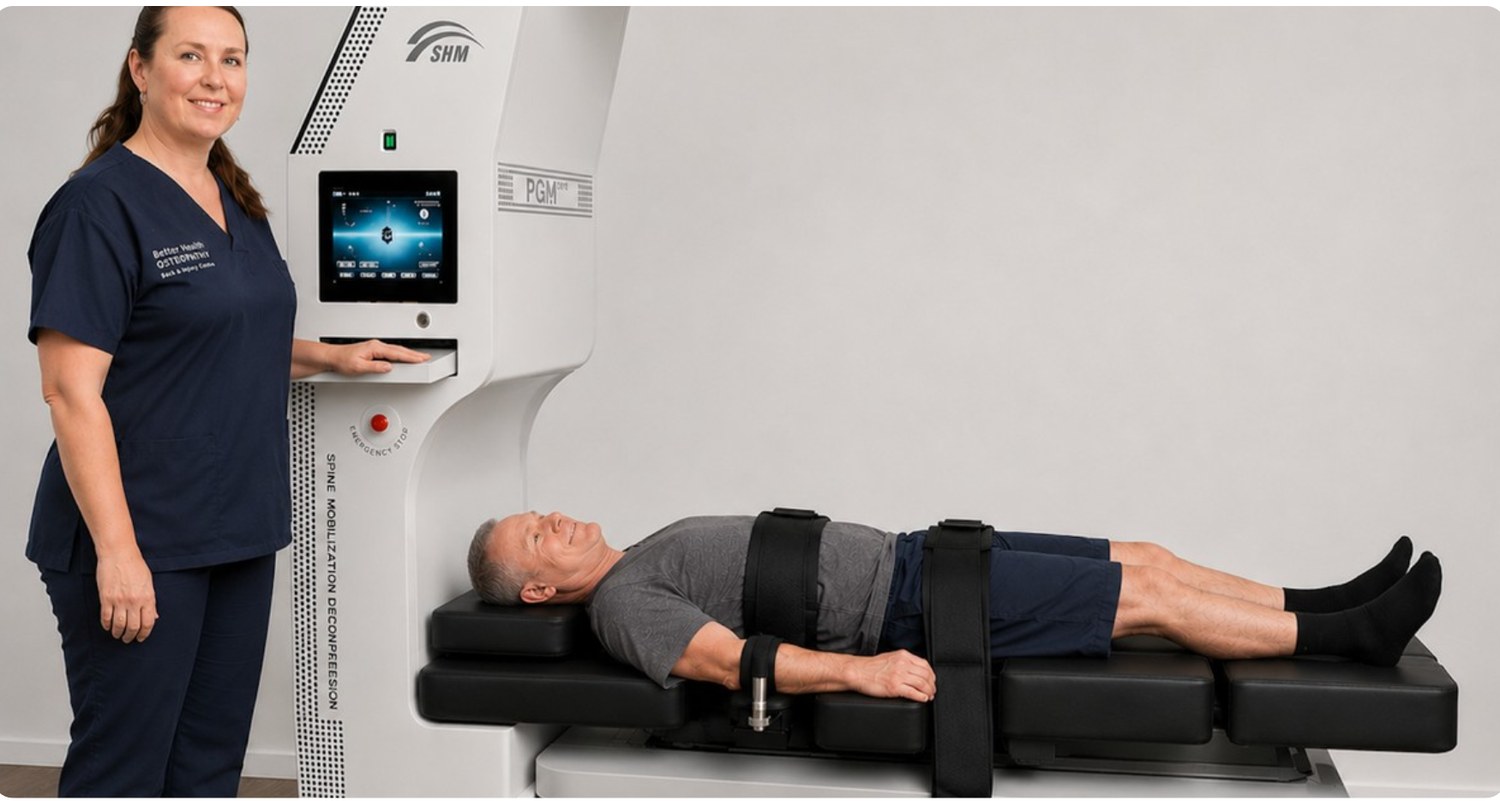
Spinal decompression uses gentle, computer-controlled cycles of stretch and relaxation to gradually reduce pressure on irritated discs and nearby nerves. At the same time, it gently mobilises the joints, muscles and ligaments of the spine, helping improve movement while reducing stiffness through the affected area.
For the right person, taking pressure off irritated structures can help calm nerve irritation, reduce pain and make movement more comfortable, creating a better environment for recovery. For the full picture of the mechanism, see how spinal decompression actually works.
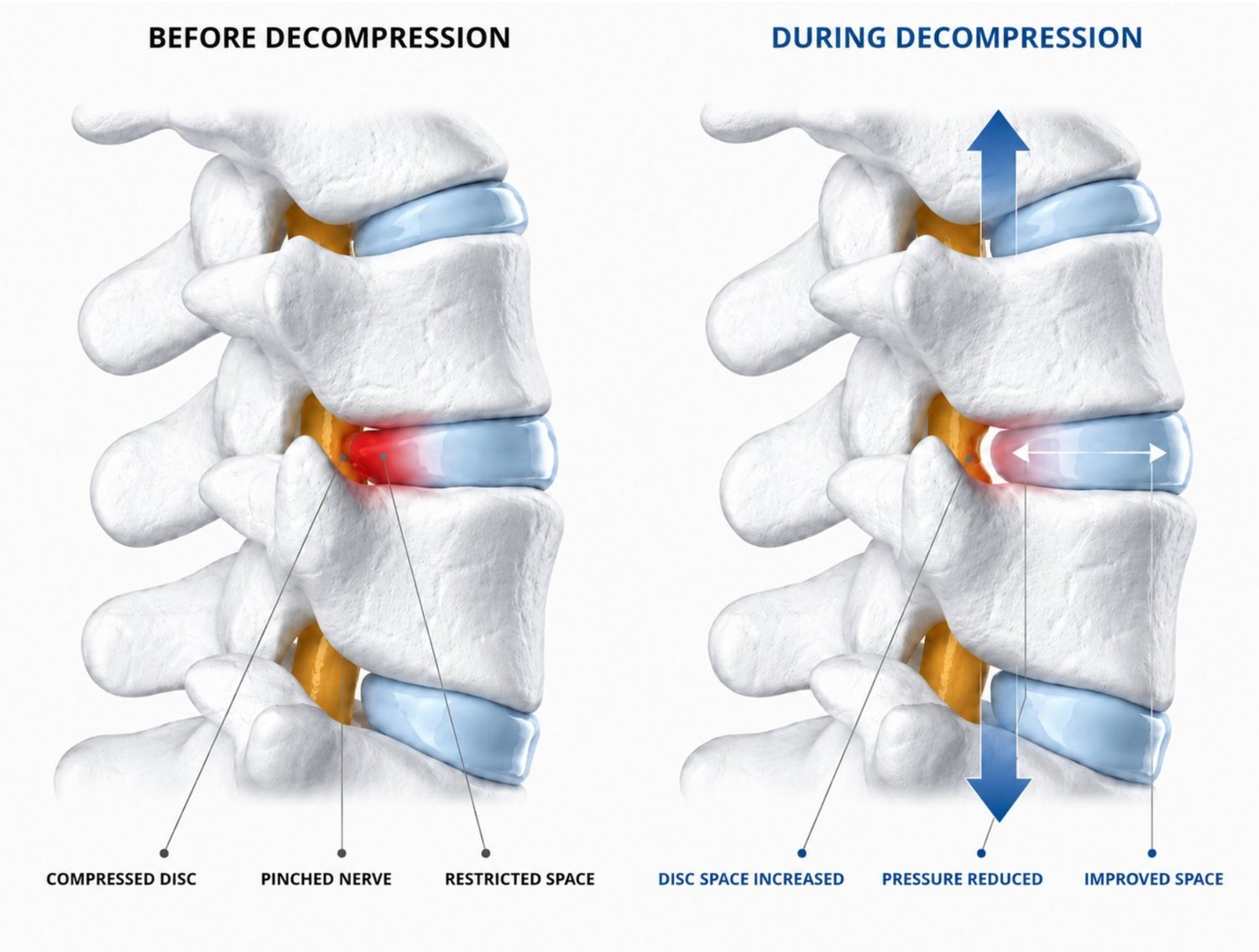
Spinal decompression is one part of a complete recovery plan. For suitable people, it works alongside rehabilitation to help reduce pain, restore movement and lower the chance of symptoms returning. If surgery is genuinely needed, we’ll explain that too and help guide you towards the most appropriate care.
How we decide
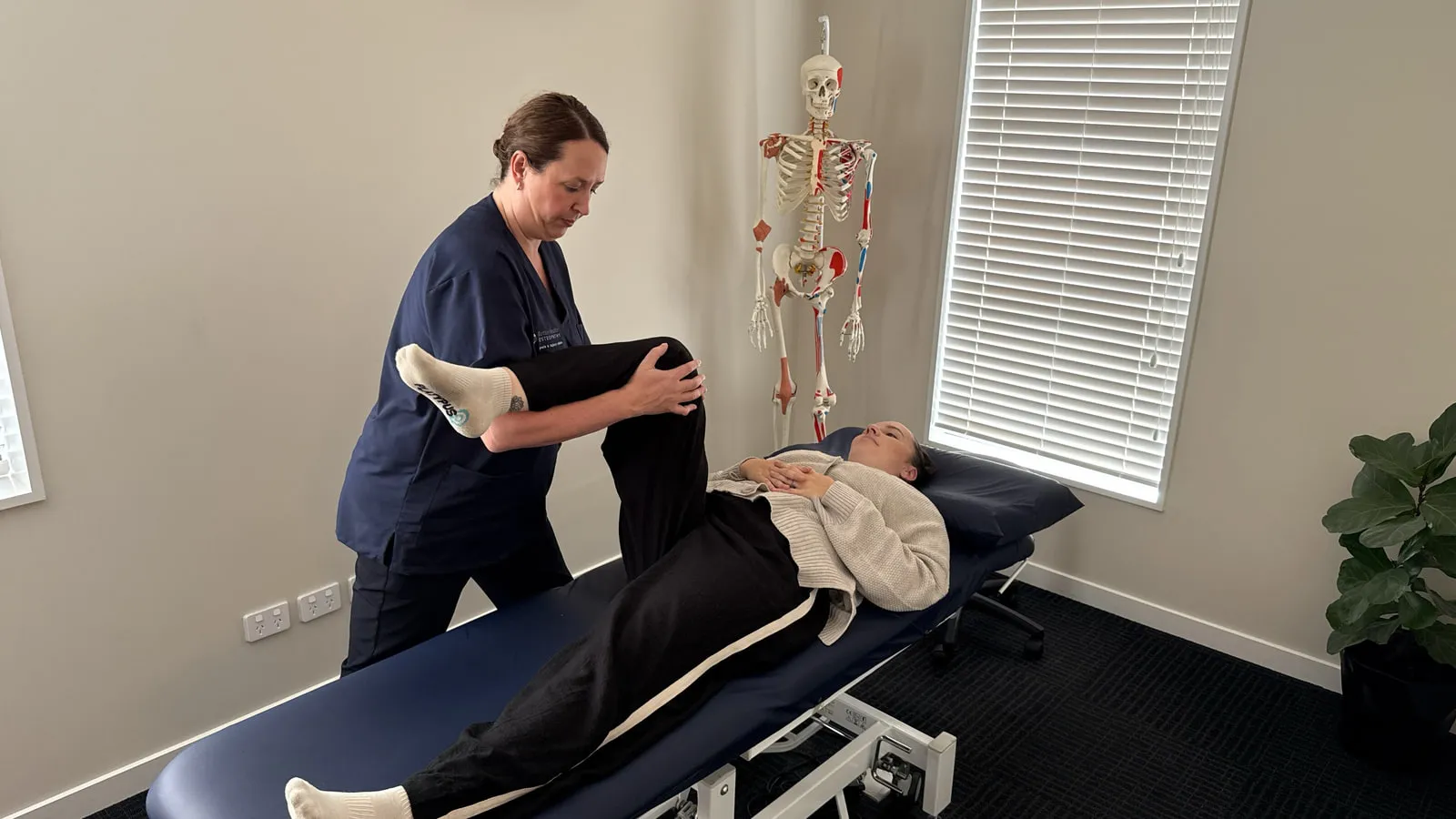
Assessment first. Treatment second. Everyone begins with a comprehensive osteopathic assessment. We take a detailed history, examine your spine and movement, screen for anything that needs medical care, and explain whether this treatment is appropriate for you. If it is not, we will recommend the treatment pathway we believe gives you the best chance of recovery.
Your pathway with us
-
Osteopathic consultation
We listen, examine and screen to work out what is driving your pain, and tell you honestly whether decompression is right for you.
-
Spinal decompression
Where it is the right fit, gentle, computer-controlled sessions ease pressure off the affected disc and nerve so the area can settle.
-
Rehabilitation
We rebuild core and back strength with a tailored exercise plan. This is the step that helps keep the pain from coming back, and it is an essential part of your recovery, not an add-on.
When to seek urgent help
Frequently asked questions
How do I know if I am a suitable candidate?
The answer comes from a thorough assessment of your symptoms, examination findings and overall health, not from symptoms or scans alone.
Do I also need to do rehabilitation exercises?
Yes. Decompression works best as part of a plan that includes rehabilitation. The exercises rebuild the strength that helps keep the problem from returning, so they are an essential part of getting a lasting result, not an optional extra.
Is spinal decompression safe?
It is non-invasive and non-surgical. You stay fully clothed, treatment is gently computer-controlled and monitored throughout, and you can stop at any time. It is only recommended when it is considered appropriate and safe for you.
Do I need an MRI or a referral first?
No referral is needed to book a consultation. Most people do not need a scan to get started. If we feel an MRI is appropriate after your assessment, we can refer you to a local sports doctor to arrange one promptly.
Does spinal decompression hurt?
For most people, no. The treatment is gentle and many people find it relaxing. You remain fully clothed, lie comfortably, and can stop at any time.
How many sessions will I need, and what does it cost?
It varies from person to person and depends on your situation, goals and response. After your assessment, and only if decompression is appropriate for you, we will talk through a realistic plan and costs openly.
How much does spinal decompression cost?
The cost depends on your individual plan, since the number of sessions and whether decompression is combined with other treatment varies from person to person. We work this out at your assessment, once we understand what's driving your pain and whether decompression is likely to help.