
The golf swing is one of the most biomechanically demanding movements in sport. A few seconds of high-velocity rotation through the spine, hips, and shoulders, repeated dozens of times per round, often hundreds of times per week of practice. Small restrictions in mobility or imbalances in strength quietly shape the swing, which over time becomes the path to common golf injuries: low back pain, hip issues, shoulder problems, elbow and wrist issues.
Most golfers know they could play better with more mobility or fewer niggles. Far fewer realise that the path is usually a combination of musculoskeletal work, targeted training, and sometimes a swing review with a coach.
This article is a practical guide. The body patterns that matter for golf, the common issues we see, and where Osteopathy fits.
Why the body matters for golf
The golf swing chains energy through the body in a specific sequence: ground reaction force → hips → trunk rotation → shoulder turn → arms and club. Each link adds speed; each link has to function within range, on time, and without compensation.
Restrictions or imbalances anywhere in the chain reduce performance and shift load to compensating structures. Common patterns:
- Limited thoracic spine rotation → the lumbar spine compensates → low back pain over time.
- Limited hip internal rotation → the lower back compensates during follow-through → low back issues.
- Tight or weak glutes → the lower back works harder during the swing.
- Limited shoulder mobility (especially internal/external rotation) → the arms compensate → shoulder, elbow, and wrist issues.
- Weak deep core function → trunk stability fails during high-speed rotation → multiple potential issue points.
Golfers often spend hours on swing mechanics with a coach without addressing the underlying body restrictions that limit the swing in the first place. Both pieces matter.
Common golf-related issues
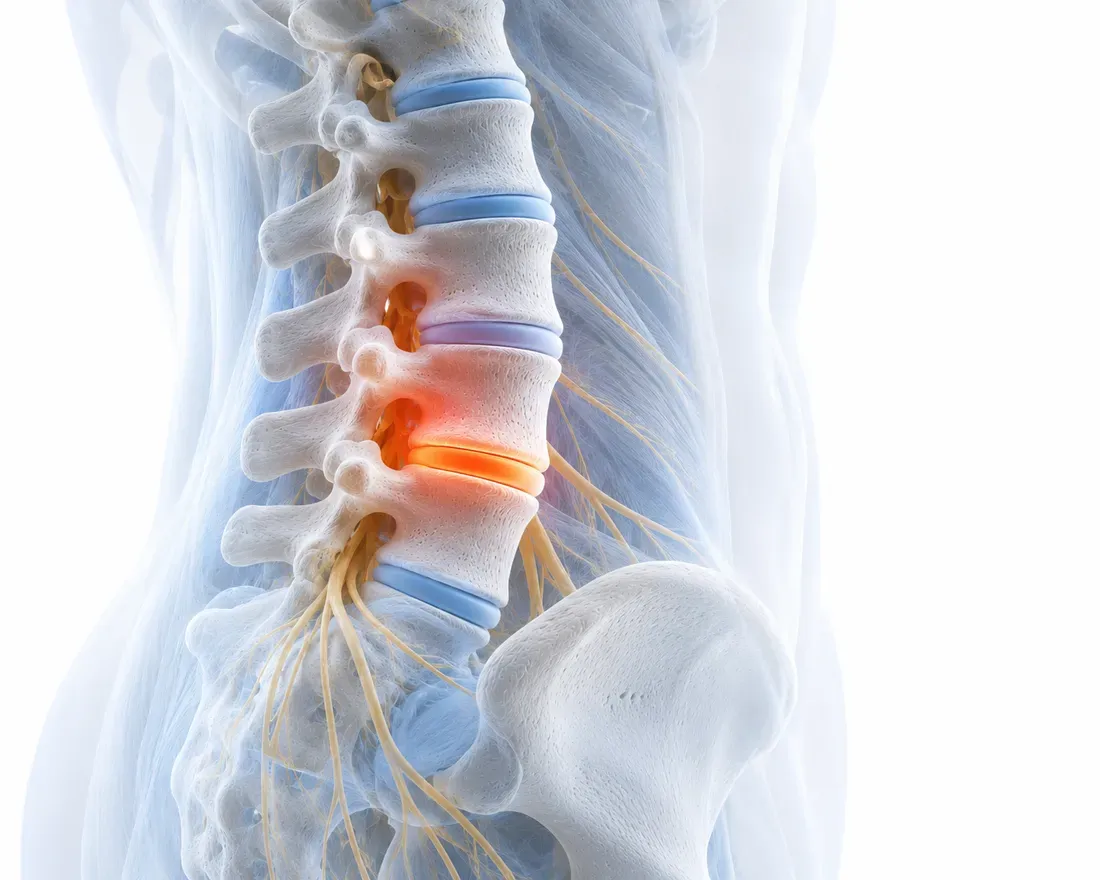
Low back pain. The single most common golf injury. Often from the combination of trunk rotation, side-bending, and ground reaction forces in a body that has limited thoracic mobility, weak deep core, or hip restriction.
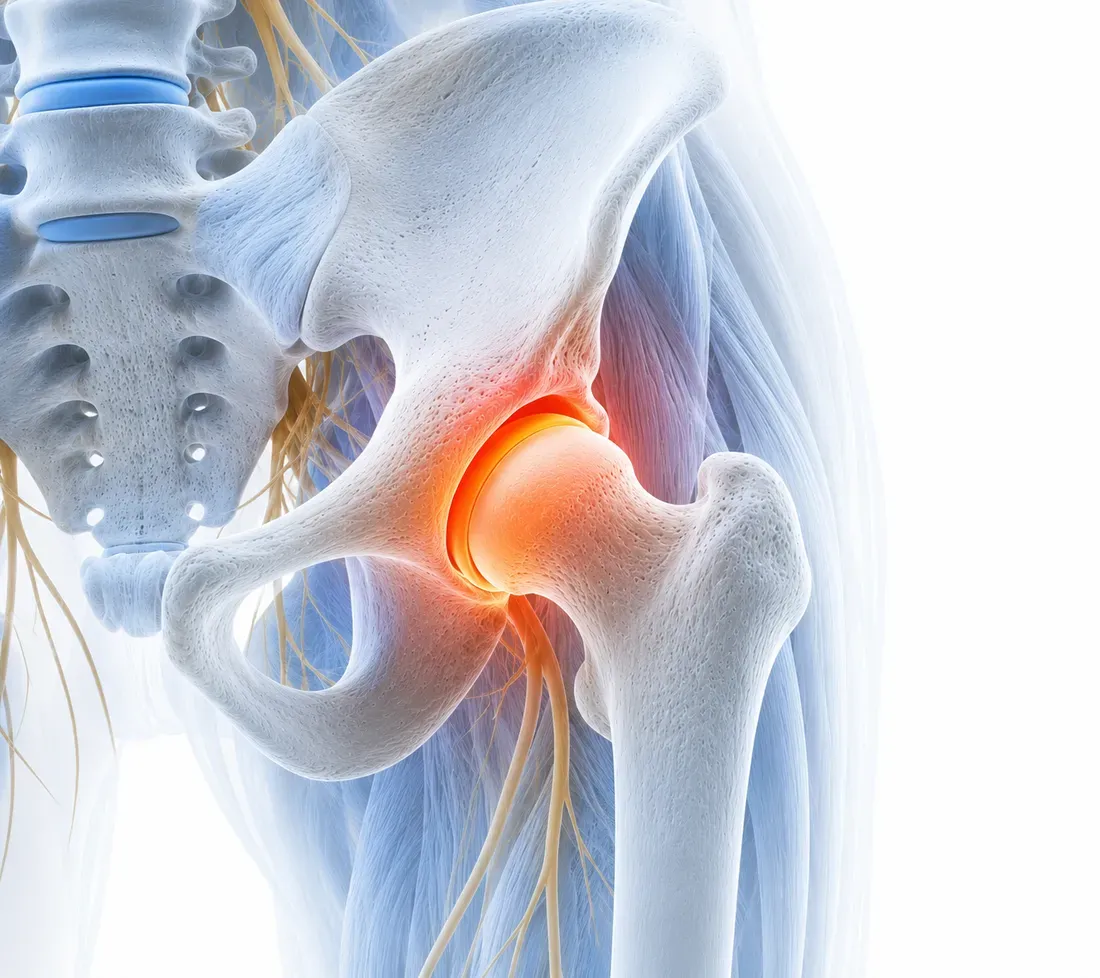
Lead-side hip pain. The lead hip (left hip for right-handed golfers) absorbs the rotational load during follow-through. Hip impingement, labral issues, and gluteal tendinopathies can develop.
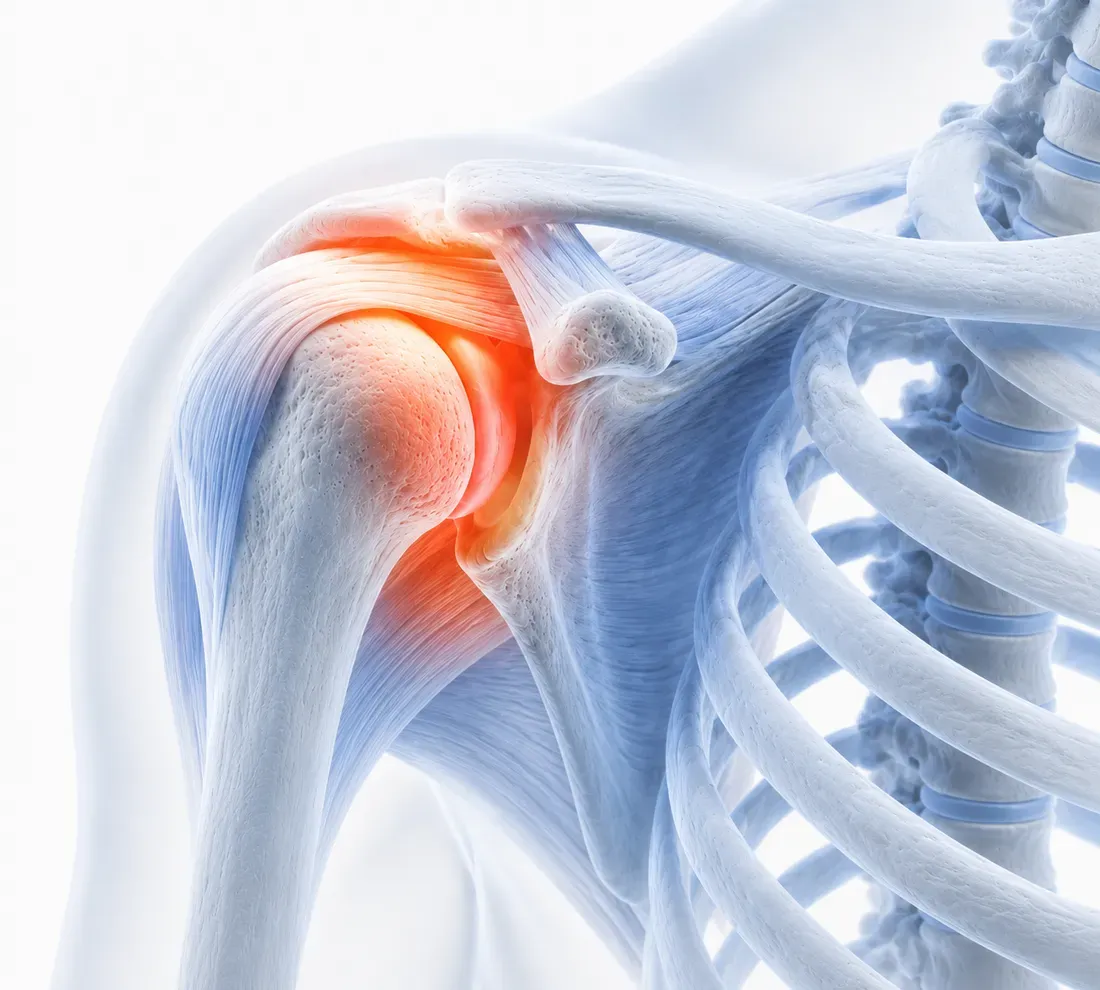
Shoulder pain. Often the lead shoulder (left for right-handed). Rotator cuff issues, AC joint irritation, or impingement patterns. The rotator cuff article covers the broader rotator-cuff picture.
Elbow issues (golfer’s elbow / medial epicondylitis). Gripping forces and impact through the medial elbow tendons.
Wrist and hand issues. From grip pressure, mishit shots, or repetitive load patterns.
Knee pain. Less common but does occur, especially in golfers with hip restriction or older knees.
The pattern across most: it’s rarely the painful spot that’s the primary problem. The painful spot is the place that’s been compensating for restriction or weakness elsewhere.
What matters for the body in golf
Three big musculoskeletal contributors:
1. Thoracic spine rotation. The mid-back’s ability to rotate cleanly. Most golfers we see have less than the optimal range. Improving thoracic rotation often unlocks several aspects of the swing simultaneously and protects the lower back.
2. Hip mobility (especially internal rotation). The hip’s ability to rotate inward. Often limited in older golfers or those with sustained sitting in their day jobs. Limited hip rotation forces the lower back to compensate.
3. Shoulder mobility. The shoulder needs both range and control through the swing. Restrictions in posterior shoulder structures (common in office workers and older golfers) limit the swing and increase shoulder load.
Strength and coordination contribute too:
- Glute strength: stabilises the hips during high-speed rotation.
- Deep core function: maintains trunk stability through the swing.
- Forearm and grip strength: supports the elbows and wrists.
Where Osteopathy fits
For golfers, Osteopathy contributes to:
Injury management. When something hurts, the standard hands-on + rehab approach with a golf-aware framing.
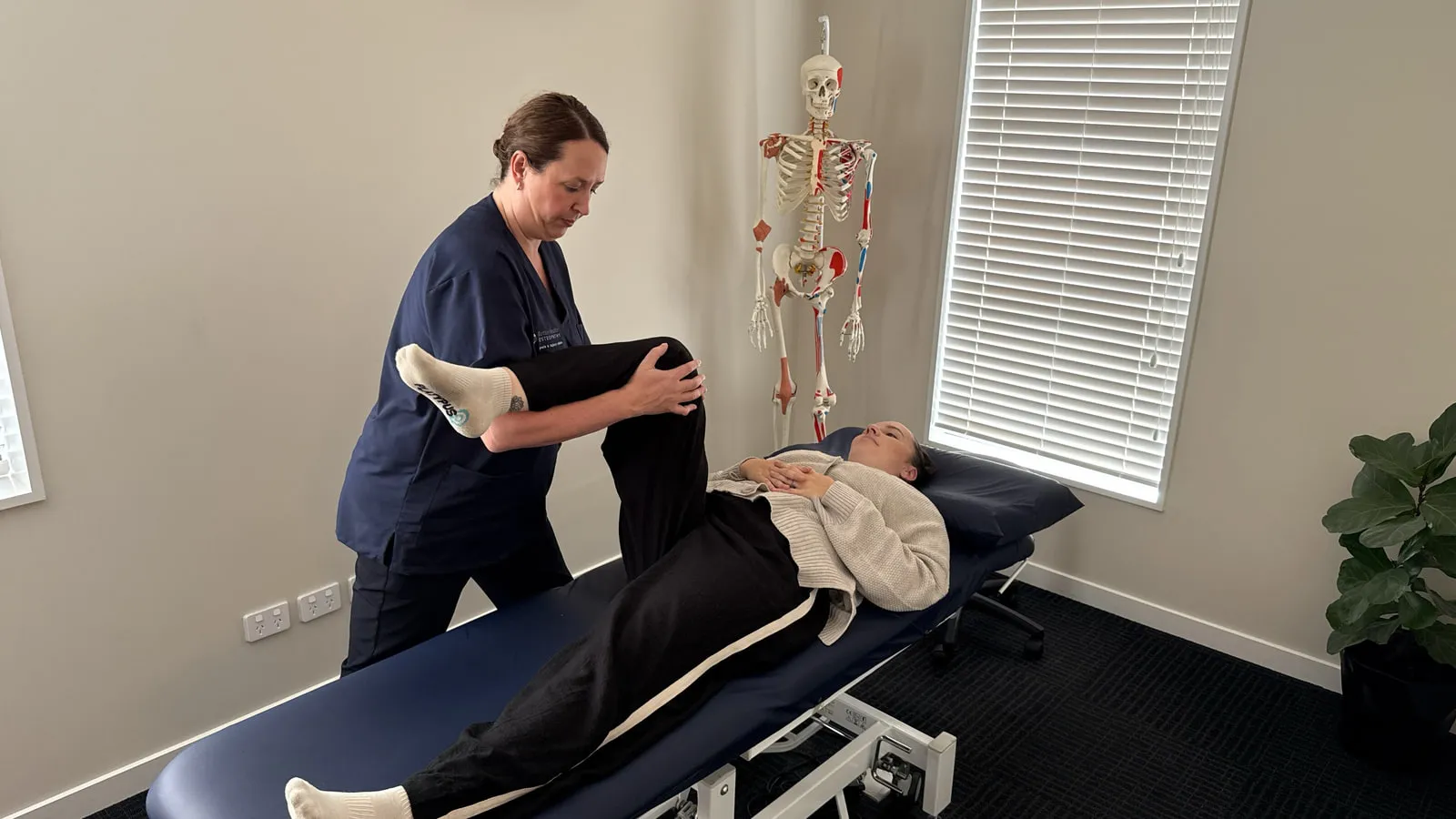
Mobility work. Specific hands-on work to address restrictions in thoracic spine, hips, and shoulders. Often the fastest way to unlock range that has been limiting the swing.
Pre-season conditioning. Before the playing season, sessions to address accumulated tightness from the off-season and prepare the body for golf-specific demands.
In-season maintenance. Regular sessions (every 4-8 weeks for keen golfers) to address what’s accumulating before it becomes symptomatic.
Coordination with golf coach. Often the most powerful combination is a body-focused clinician (osteopath, physio) working alongside a golf coach. The coach addresses swing mechanics; we address the body that’s swinging.
Strength and mobility programming. Off-course work that supports on-course performance.
A golf-focused assessment
A first session for a golfer typically includes:
- History: handicap, playing volume, recent issues, current swing concerns from the coach if any.
- Examination: general musculoskeletal screen + golf-specific patterns (thoracic rotation, hip rotation, shoulder rotation, deep core function, single-leg control).
- Identification of priority restrictions: which one or two restrictions are most worth addressing first.
- Treatment: hands-on work targeting the priority areas.
- Plan: ongoing frequency, off-course mobility/strength work, what to monitor, what to flag.
The aim isn’t to “fix” the golfer in one session; it’s to identify the priority body work that supports both performance and durability over the season.
When to integrate with a golf coach
If swing-related issues are part of the picture, integration with a coach is high-leverage. The right pattern:
- The coach identifies what the swing is trying to do but can’t.
- The clinician identifies what body restriction is preventing the swing pattern.
- The two work together: body work unlocks the range; coaching teaches the swing to use it.
Many golfers spend years on either side without the integration; combined work usually produces better outcomes faster.
ACC and golf
Golf injuries from a clear event (a fall, a sudden tear during a swing, a struck-by-club incident) are usually ACC-eligible. Gradual-onset overuse issues are often not. The ACC and Osteopathy guide covers the funded-care side.
Booking with us
If you’d like an assessment focused on golf-specific body patterns, or you have an issue affecting your game, book online or call us on 0800 67 77 00.
Related reading
- Care for sports athletes for the broader athletic-care page.
- Rotator cuff shoulder injuries for shoulder-specific content.
- Tennis elbow for the related medial elbow / golfer’s elbow conditions (similar tendinopathy framework).