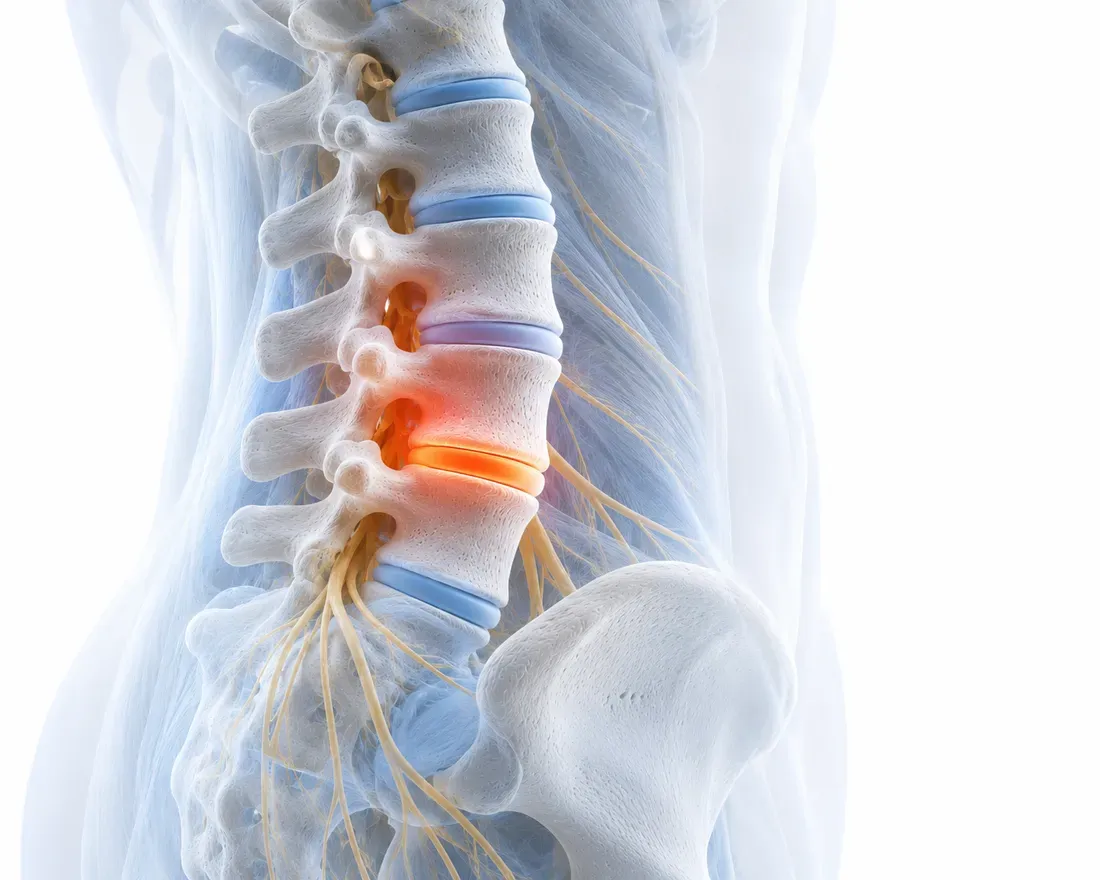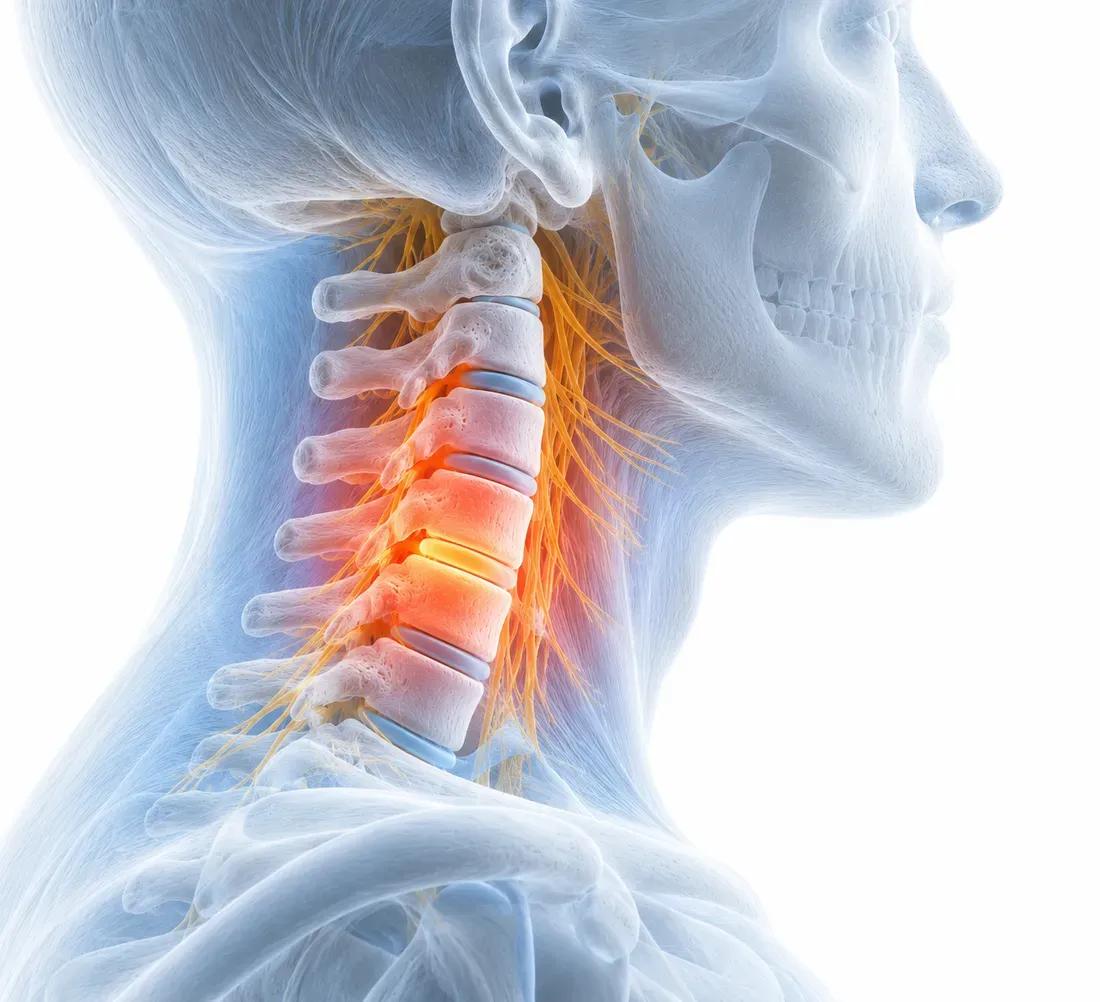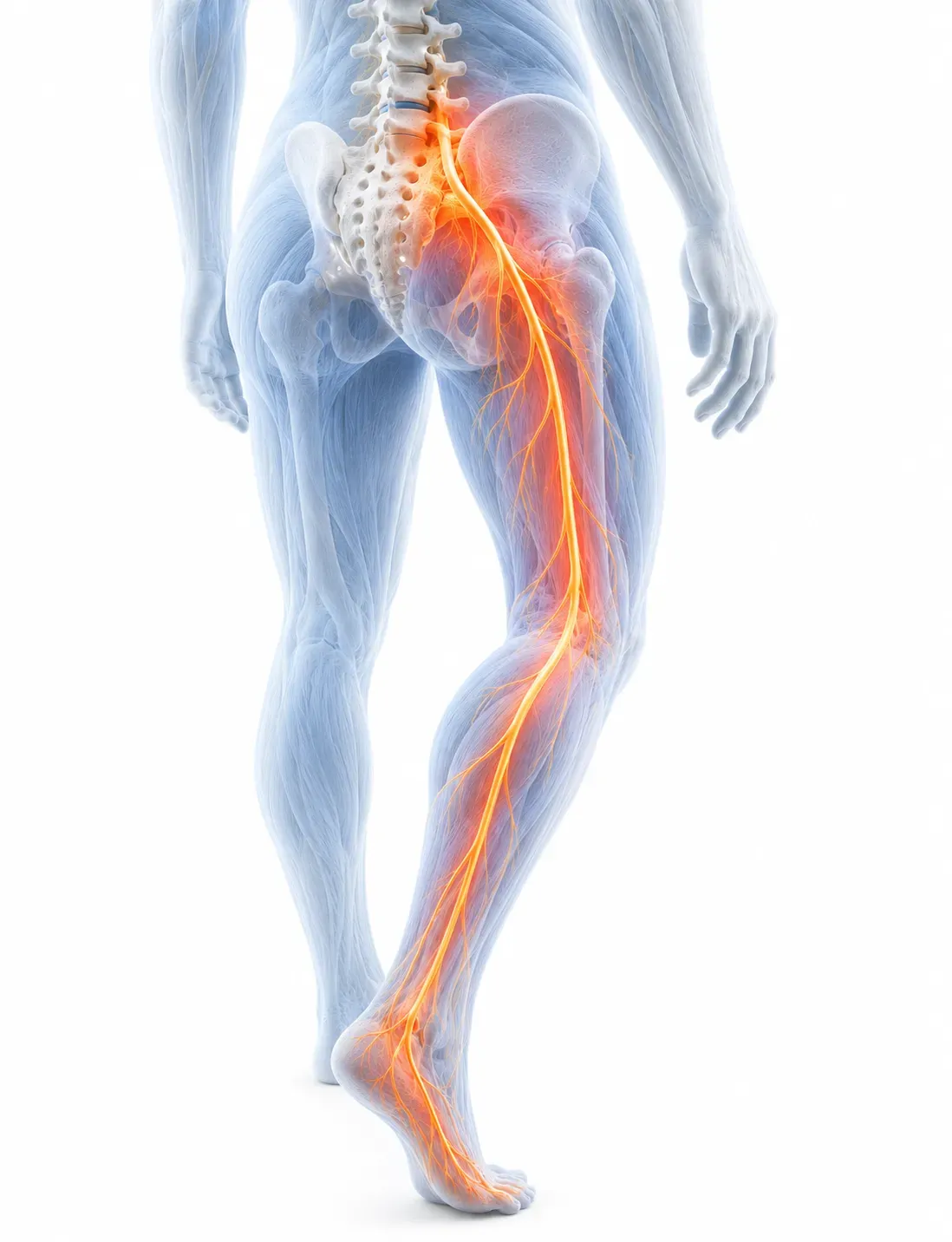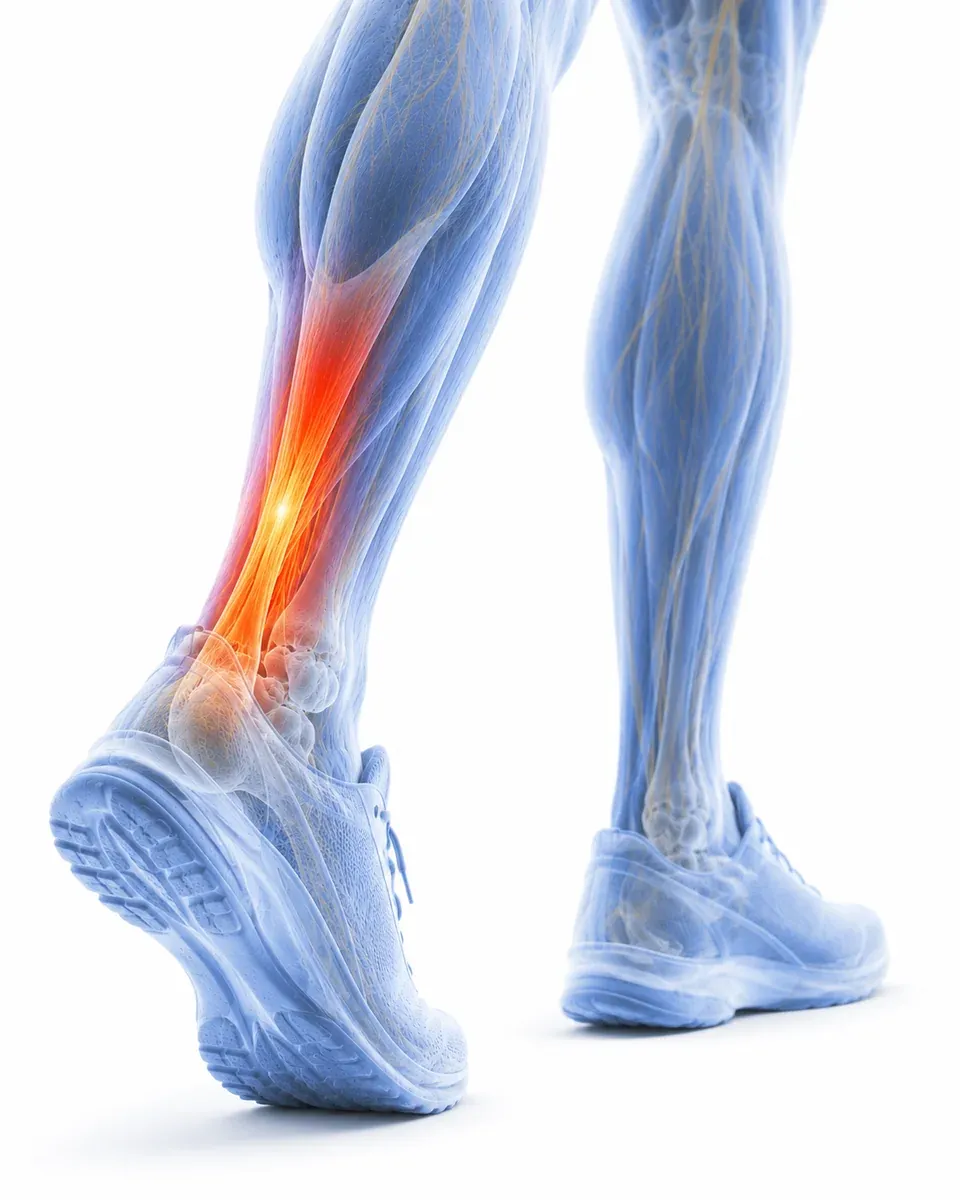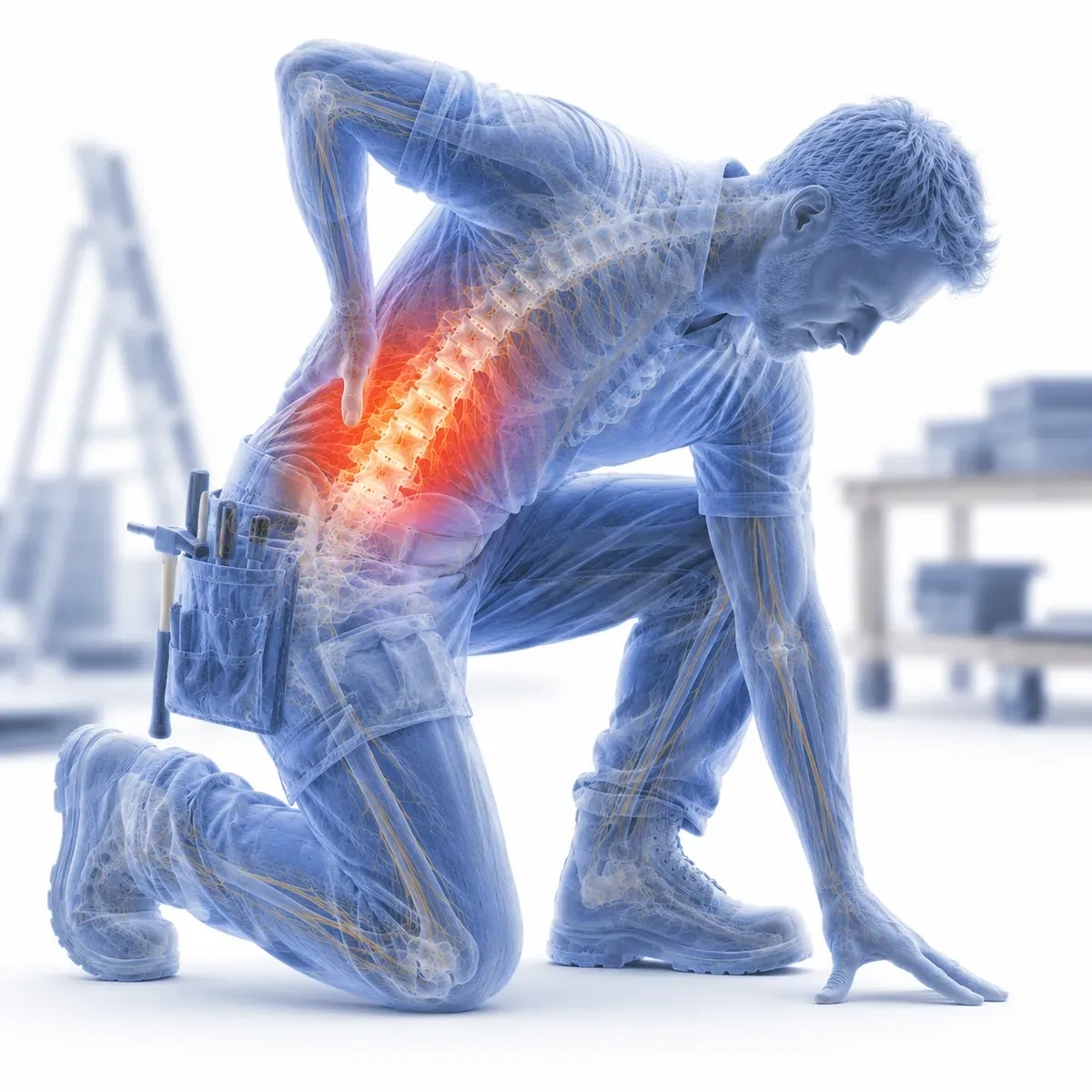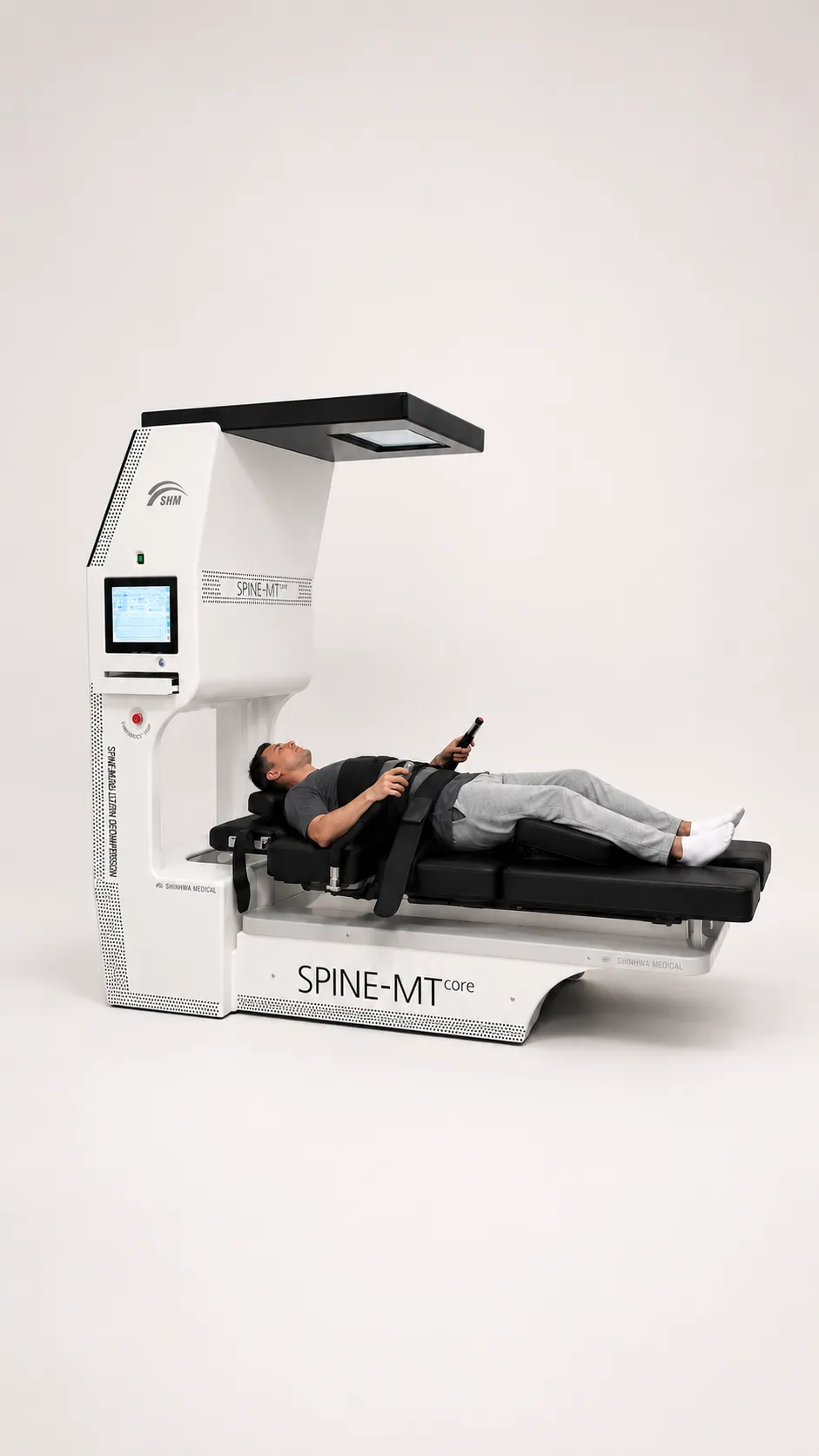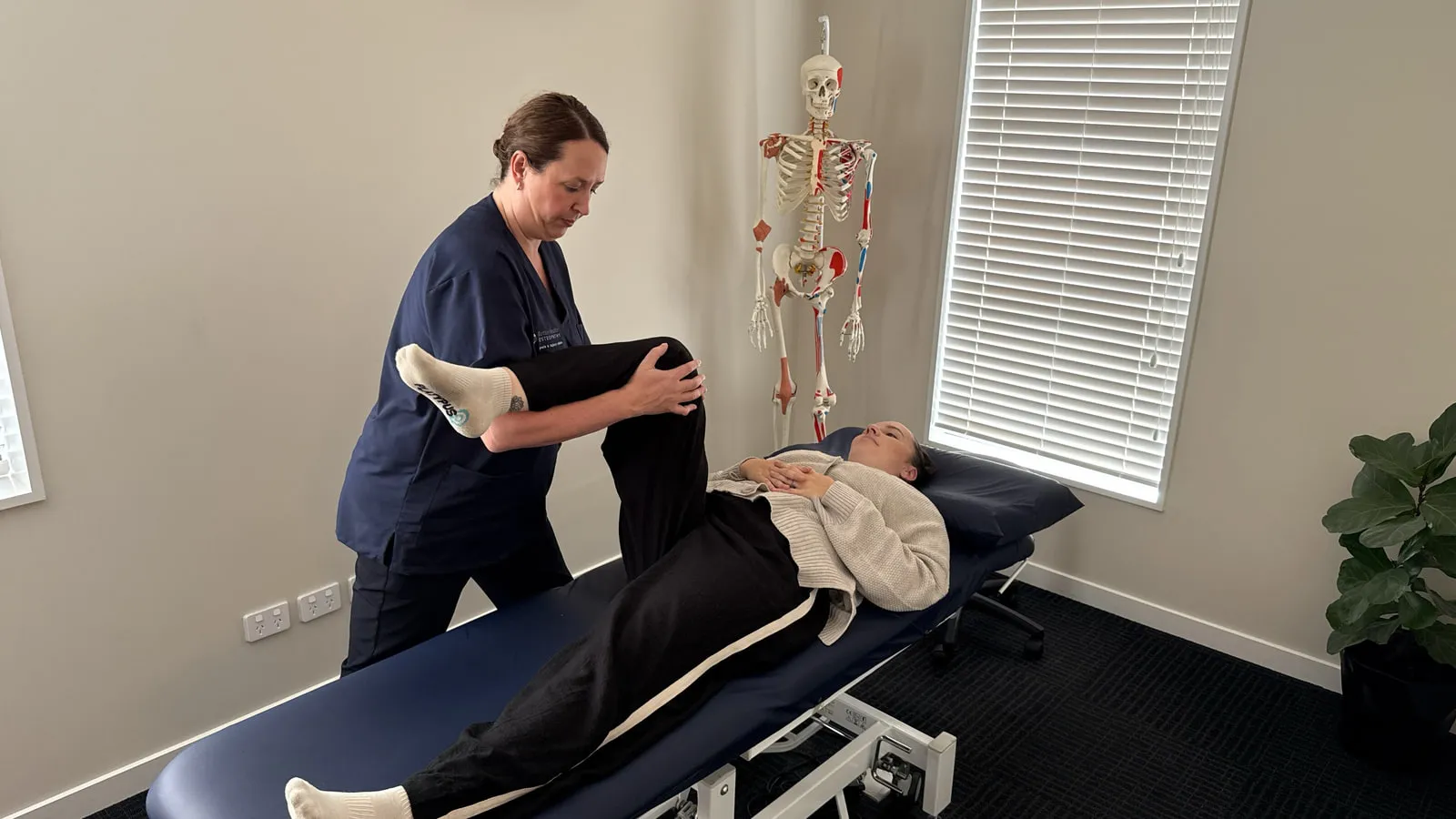

If you’ve had an injury in New Zealand, ACC almost certainly covers part of the cost of getting it treated. Osteopathy is one of the regulated professions ACC funds, alongside physiotherapy, chiropractic, podiatry, and others. Most musculoskeletal injuries you’d see an osteopath for are eligible.
This is a complete plain-English walkthrough of how ACC works for Osteopathy visits: who’s covered, what the surcharge is, whether you need a GP referral, how lodging works at your first visit, how to transfer providers, and the questions that come up most often. It’s written from a clinician’s-eye view of how the system actually behaves, not the official-language summary you’ll find on ACC’s own pages.
Looking for the quick version? The
/acc/page covers the essentials in a 5-minute read: do I need a referral, what’s the surcharge, what to bring, can I transfer. This article is the deep dive when you want the full picture.
The short version
If you’ve got an injury and you’re seeing an osteopath in NZ:
| Question | Answer |
|---|---|
| Do I need a GP referral? | No, for most injuries. You can self-refer to an osteopath. |
| Will ACC cover the whole cost? | No. ACC pays a portion; you pay a surcharge. |
| What’s the surcharge? | $95 for a first visit, $90 for follow-ups in Christchurch. |
| When does the claim get lodged? | At your first visit, in clinic. The osteopath does the paperwork. |
| What do I bring? | The details of how the injury happened. |
| Can I transfer from another provider? | Yes, easily. No need to start a new claim. |
| What if my claim is declined? | You can pay privately, request a review, or revisit with more information. |
The rest of this article expands each of those.
What ACC is, in two sentences
ACC (the Accident Compensation Corporation) is New Zealand’s no-fault accident insurance scheme. Everyone in NZ, including visitors, is covered for personal injury by accident, regardless of who caused it, at a fixed and consistent funding level.
For musculoskeletal care, that means: if you injure yourself and the injury is covered (most are), ACC pays a fixed contribution per visit toward your treatment with a registered provider. You top that up with a small per-visit surcharge. The provider lodges the claim and bills ACC directly; you don’t deal with paperwork beyond signing a form at your first visit.
What counts as an “injury” for ACC
The ACC system distinguishes injury (covered) from illness or pre-existing condition (not covered). For Osteopathy, the practical line is:
Usually covered:
- Acute injuries with a clear event: a sudden back twinge while lifting, a rolled ankle on a run, a strain from picking up a child, a whiplash from a car accident.
- Sports injuries: pulled hamstrings, tweaked knees, jammed shoulders, contact-sport tackles.
- Workplace injuries including the gradual-onset kind: pain that built up over weeks of repetitive strain at a job role.
- Accidents involving someone else’s property or actions: a fall on a wet floor at a shop, a workplace injury caused by faulty equipment.
Usually not covered:
- Long-standing degenerative conditions without a clear injury event: arthritis flares, age-related disc changes that have been simmering for years.
- Postural or lifestyle pain without a triggering incident: “my neck just gets sore at the desk”.
- Pain related to medical conditions such as fibromyalgia or autoimmune disease.
- Pregnancy-related pain in most cases (though there are exceptions for specific injury events during pregnancy).
The line between the two can be subtle. A useful test: was there an event you can point to that started this? If yes, ACC may cover. If no, it’s likely a private-pay scenario. The osteopath at your first visit can tell you which side of the line your case sits on.
Do I need a GP referral?
No, in the vast majority of cases. New Zealand’s ACC system specifically allows self-referral to registered providers for most musculoskeletal injuries, including osteopaths. You can call us direct, book online, walk in, and the claim gets started at your first visit.
Where a GP referral is sometimes useful (but rarely required):
- Sensitive claims (sexual abuse, certain mental-injury claims): these usually involve a multi-disciplinary pathway. A GP or registered counsellor often initiates these.
- Medical-treatment-injury claims (an injury caused by a medical procedure): these typically need GP or specialist documentation to lodge.
- Cases where ACC has previously declined a claim: a GP letter can sometimes help support a re-application with new information.
For ordinary musculoskeletal injuries (back pain after lifting, sports tweaks, slips and falls), no GP referral is needed. Self-refer and save yourself the appointment.
What does the surcharge actually pay for?
The “surcharge” is the gap between what ACC pays the clinic per visit and what the visit actually costs to deliver. Different clinics set different surcharges based on their cost structure.
At Better Health Osteopathy (current figures; pricing is confirmed in the booking system):
- First appointment, ACC: surcharge $95.
- Follow-up appointment, ACC: surcharge $90.
- Compare with private (no ACC) rates: first appointment $120, follow-up $120.
ACC keeps your out-of-pocket cost below the private rate. Worth lodging if your injury is eligible.
Lodging at your first visit: what to expect
The first time you see an osteopath for an ACC injury, the front-of-house team or the practitioner will start an ACC claim with you. Here’s what happens:
Before the appointment (or in the waiting room):
- You’ll fill out a short ACC45 form (mostly your details and how the injury happened).
- You sign to confirm the information and authorise the practitioner to communicate with ACC about your treatment.
During the appointment, the osteopath asks the questions that fill in the clinical side: what happened, when, what symptoms, what makes it better or worse. They examine you, identify what’s likely going on, and confirm whether the case fits the ACC pathway.
After the appointment, the clinic submits the claim to ACC electronically. ACC usually accepts musculoskeletal claims within 1 to 3 business days. You won’t notice anything happen; you’ll just see ACC pricing applied to the appointment.
What to bring:
- Details of how the injury happened: date, location, what you were doing, what you felt afterward. Doesn’t need to be exact; a rough recall is fine.
- Anything you’ve already done about it (GP visit, urgent care, scans, other treatments).
You don’t need:
- A GP referral for ordinary injuries.
- Receipts from prior treatment.
- An ACC number; claims are looked up by your name and date of birth.
Transferring providers: easier than people think
A common worry: “I started my claim with a physio, can I switch to an osteopath?” The answer is yes, easily.
ACC claims are tied to the injury, not the provider. If you started with one provider and want to switch (because the fit isn’t right, or you want a different approach, or your provider is on holiday), the new provider just looks up your existing claim and continues treatment under it.
How transferring works in practice:
- Book in with the new provider as you would normally.
- Tell them you’ve been treated for this injury elsewhere and have an existing claim.
- They look up your claim by name and date of birth, see the existing approval, and continue treatment.
- You don’t need to lodge a new claim or get permission. The system just picks up where it left off.
The one exception: ACC sometimes specifies a “treatment provider” for complex or surgical-rehab claims where coordination matters. If your claim has that designation, the new provider may need to contact ACC to confirm. This is rare for ordinary musculoskeletal cases.
If you want to switch but feel awkward about it, you can. The system expects this; it’s not a friction point.
Treatment reviews and extensions
For most musculoskeletal injuries, ACC funds an initial block of treatment, typically up to 16 visits before the provider needs to lodge a treatment-update form (the ACC32). This isn’t a hard cap; it’s a check-in point. If treatment is still needed after 16 visits, the provider explains why and ACC usually approves continued care.
What “review” actually means:
- Your provider fills out an ACC32 form noting your progress, what’s working, what’s still limiting you, and the planned next steps.
- ACC reviews the form, often within 5 to 10 business days.
- ACC approves continued treatment, requests more information, or (rarely, for ordinary cases) declines further funded care.
If treatment is taking longer than expected, that’s not a problem in itself. Many injuries simply take time. The provider’s job is to document the case clearly so ACC can see the rationale.
What can trigger a stricter review:
- Treatment running well past typical recovery times for the injury type.
- Treatment with no measurable progress (pain not changing, function not changing).
- Multiple providers across the same claim with overlapping care.
In these cases, ACC may request an Independent Review or a Specialist Assessment. Rare, but possible.
What if my claim gets declined?
A small percentage of claims get declined at lodging. The most common reasons:
- The injury doesn’t fit ACC’s definition (e.g., it’s a gradual-onset symptom without a workplace mechanism).
- The form has missing or unclear information about how the injury happened.
- There’s a pre-existing condition involved that ACC believes is the dominant driver.
If your claim is declined, your options:
- Pay privately for the visit at the (higher) private rate.
- Request a review of the decline through ACC’s formal process. You can do this yourself or with help from your provider.
- Re-lodge with additional information (e.g., a GP letter clarifying the injury history) if new evidence emerges.
A declined claim doesn’t stop you getting treated; it just changes who pays. If you want to appeal, your provider can usually help with the documentation.
Sensitive claims (briefly)
ACC’s “Sensitive Claims” pathway covers injuries arising from sexual abuse and certain mental-injury cases. This is a separate, multi-disciplinary pathway with its own intake and clinician network.
Osteopathy is not the typical first call for sensitive claims; the pathway usually involves a registered counsellor or therapist as the lead provider. Some patients on the sensitive-claims pathway do see osteopaths for related musculoskeletal complaints, particularly for pain patterns where physical and psychological factors interact.
If you’re on a sensitive-claims pathway and wondering whether Osteopathy fits, the most useful next step is to talk with your existing case manager or lead provider before booking.
Workplace injuries and accredited employer claims
If your injury happened at work, the claim still goes through ACC, but the exact pathway depends on your employer:
Standard ACC claim: most workplaces. The claim is lodged at your first treatment visit; ACC funds your treatment as usual.
Accredited Employer Programme (AEP): some larger employers self-manage their workplace injuries through the AEP. If your employer is in AEP, the claim is lodged with the employer rather than ACC directly, and treatment is funded by the employer’s third-party administrator. From the patient’s perspective, the experience is similar; the surcharge structure is the same. The clinic handles the paperwork difference.
What to bring if you think your injury is work-related:
- The date and location of the incident (workplace, time of day, what you were doing).
- Your employer’s details (name, contact, your role).
- Any incident report you may have filed with your employer.
For complex or coordinated workplace cases (those involving return-to-work planning, modified duties, or rehabilitation across multiple providers), physiotherapy is often the lead profession because of its integration with ACC’s wider rehab system. Osteopathy is a strong fit alongside, particularly for the hands-on treatment side.
Pre-existing conditions and ACC
A common worry: “I had back pain on and off for years, and now I’ve hurt it badly. Will ACC cover it?”
The answer is usually yes, but with nuance. ACC covers a new injury that occurred on top of an underlying condition. The question ACC weighs is: did this new injury change the picture? If yes (you had a new event, your symptoms changed, your function declined), ACC usually accepts.
Where ACC sometimes pushes back:
- The “new injury” wasn’t really new (it’s the same chronic flare you’ve had for years).
- There’s no clear event you can point to.
- The treatment course feels more like ongoing maintenance than recovery from an acute injury.
In practice, most cases with a clear precipitating event get accepted, even with significant pre-existing history. The clinical notes from your provider matter here; a clear “before vs. after this injury” picture supports the claim.
Imaging, scans, and ACC
If your injury looks like it might need imaging (X-ray, MRI, CT, ultrasound), ACC sometimes funds it through a referral pathway. The decisions:
- X-ray for acute injuries: usually a GP or urgent-care referral for ACC funding. Some osteopaths can refer directly for X-ray under their scope; check with your practitioner.
- MRI: typically requires a specialist referral and ACC pre-approval. The threshold is generally cases where surgery is being considered, where conservative treatment has failed, or where a serious diagnosis needs to be ruled out.
- Ultrasound: musculoskeletal ultrasound is sometimes accessible via direct provider referral (osteopath, physiotherapist, GP) and is a useful tool for soft-tissue diagnosis.
The osteopath at your first visit can tell you whether imaging is likely to change the management plan, and if so, what the right referral pathway is.
A practical decision tree
If you’re trying to figure out whether ACC fits your situation, this is the rough flow:
- Did this start with an event? Yes leans toward ACC. No leans toward private.
- Has it been going on for months or years without change? Yes leans toward private (degenerative or chronic). Recent change after an event leans toward ACC.
- Was the event at work, on the road, or at someone else’s property? Could change which pathway applies (workplace injury, motor-vehicle accident, public-liability), but ACC still covers the personal-injury side.
- Have you been declined before? A re-lodge with new information is often successful.
When in doubt, book in and let the practitioner help you sort it out at the first visit. A 15-minute conversation usually clarifies the path.
Frequently asked questions
Can I see an osteopath and a physio under the same ACC claim?
Sometimes yes, but ACC may flag overlapping care. The cleanest pattern is one lead provider per phase of recovery (e.g., physio for early-stage rehab, osteopath for hands-on continuity). If you want both, talk with the providers about coordination.
Will my private health insurance pay the surcharge?
Some plans cover the surcharge as a partial allowance. Check your policy; many Southern Cross and nib plans include a per-visit allowance for Osteopathy.
What if I can’t afford the surcharge?
Talk to the clinic. Some clinics have hardship arrangements; some can suggest community-funded alternatives. Don’t avoid treatment because of cost without asking.
How long does an ACC claim stay open?
Claims typically stay open as long as you’re actively receiving treatment, plus a buffer. If you stop treatment for several months, the claim closes; you can re-open it if symptoms recur and you need more care.
Does ACC cover treatment if I’m a visitor to NZ?
Yes. ACC covers everyone in NZ, including tourists, students, and short-stay workers. Different surcharge rules sometimes apply; the clinic can advise.
Booking with us
If you’d like to book an ACC-funded appointment, book online or call us on 0800 67 77 00. We’ll lodge your claim at the first visit; just bring a rough recall of how the injury happened. If you’re transferring from another provider, just say so when you book.
If you’re not sure whether ACC fits your situation, you’re welcome to call and ask. We’ll give you a straight answer rather than book you in to find out.
Related reading
- What we treat: conditions lists the injuries we see most often, most of which are ACC-eligible.
- Sports injuries goes deeper on how ACC handles sports-related musculoskeletal injuries.
- Workplace injuries covers the workplace side and the Accredited Employer pathway.
- The three-way comparison of osteopath vs chiropractor vs physio walks through how ACC works across all three professions, if you’re choosing your provider.