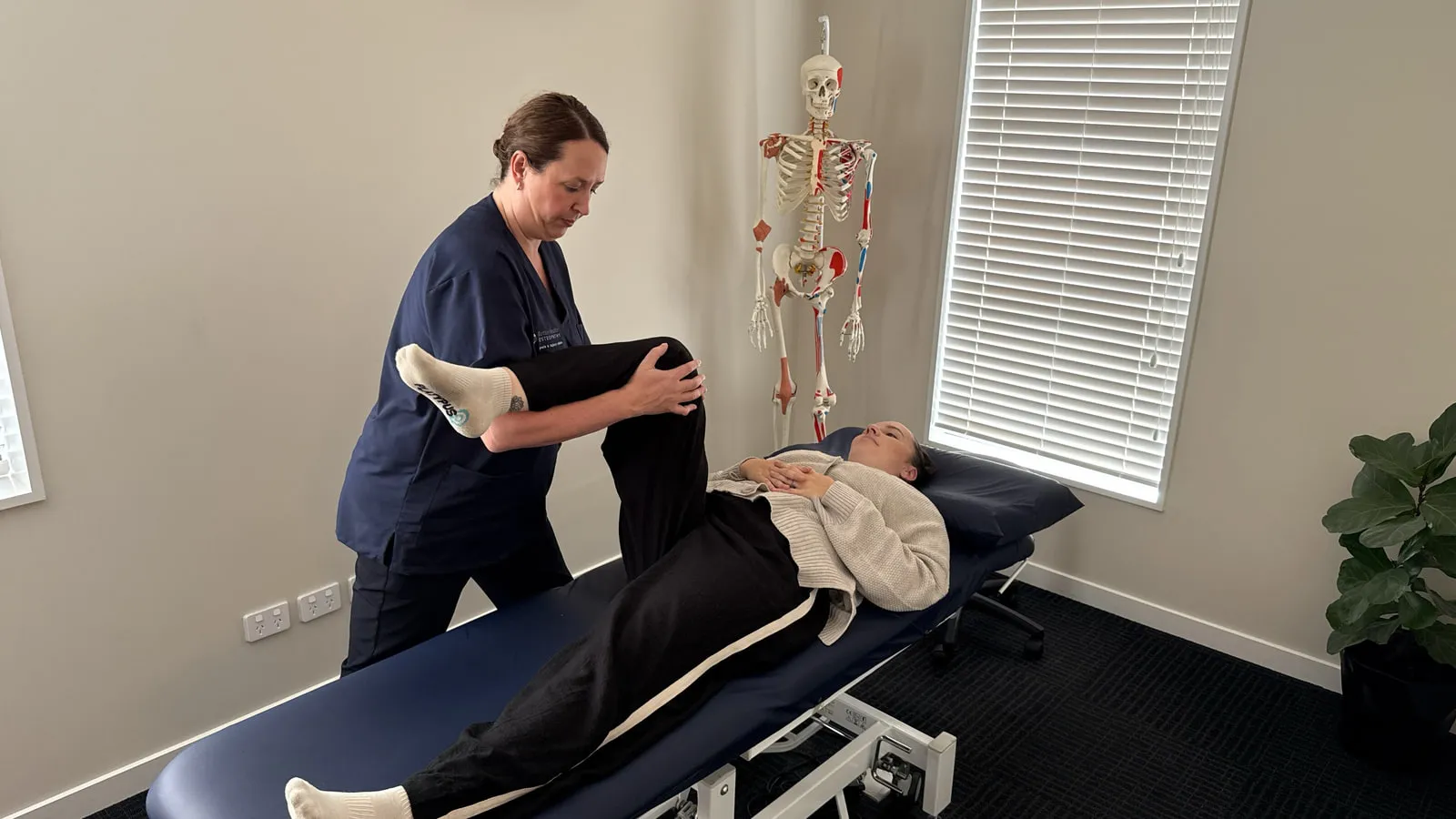

If you’re trying to figure out whether to book an osteopath, you’ve probably got a specific issue you’re dealing with and a vague sense that Osteopathy might fit, but no clear way to know. The internet’s not always helpful here: each profession’s website tends to oversell what it does, and consumer comparison content is often shallow.
This is a clear, honest guide. When Osteopathy is genuinely the right call, when another profession or pathway fits better, and how we’d think about it from outside the room.
The short version
| Your situation | Best first call |
|---|---|
| Recent injury, mechanical pain, want hands-on assessment + treatment | Osteopath or physio. Both work; choose based on fit. |
| Recurring back/neck/shoulder/hip pain that hasn’t been formally assessed | Osteopath. A thorough musculoskeletal assessment is the value-add. |
| Acute severe pain with red flags (see below) | GP or A&E first, osteopath later if appropriate. |
| Vague unwellness, fatigue, systemic symptoms | GP first. Not an osteopathic primary problem. |
| Chronic pain that’s been around a long time without a structured plan | Osteopath, often alongside GP and possibly other specialists. |
| Wanting “a routine adjustment” for a problem you don’t actually have | Probably no one. Maintenance care without a problem doesn’t have strong evidence. |
| Mental health, anxiety, depression as a primary concern | GP / psychologist / counsellor first. |
| Children with growing pains, infants with feeding/settling concerns | Osteopath if musculoskeletal-focused; GP if other concerns first. |
The rest of this article expands the rows.
What osteopaths actually do
In NZ, osteopaths are regulated primary-contact musculoskeletal practitioners. That means:
- You don’t need a GP referral to see one.
- We do detailed clinical assessments to identify musculoskeletal causes of pain.
- We provide hands-on treatment (joint mobilisation, soft-tissue work, specific techniques for specific problems) combined with movement, exercise, and lifestyle guidance.
- We’re trained to identify red flags and refer appropriately when something is outside our scope.
- We can lodge ACC claims and manage patients within the ACC pathway.
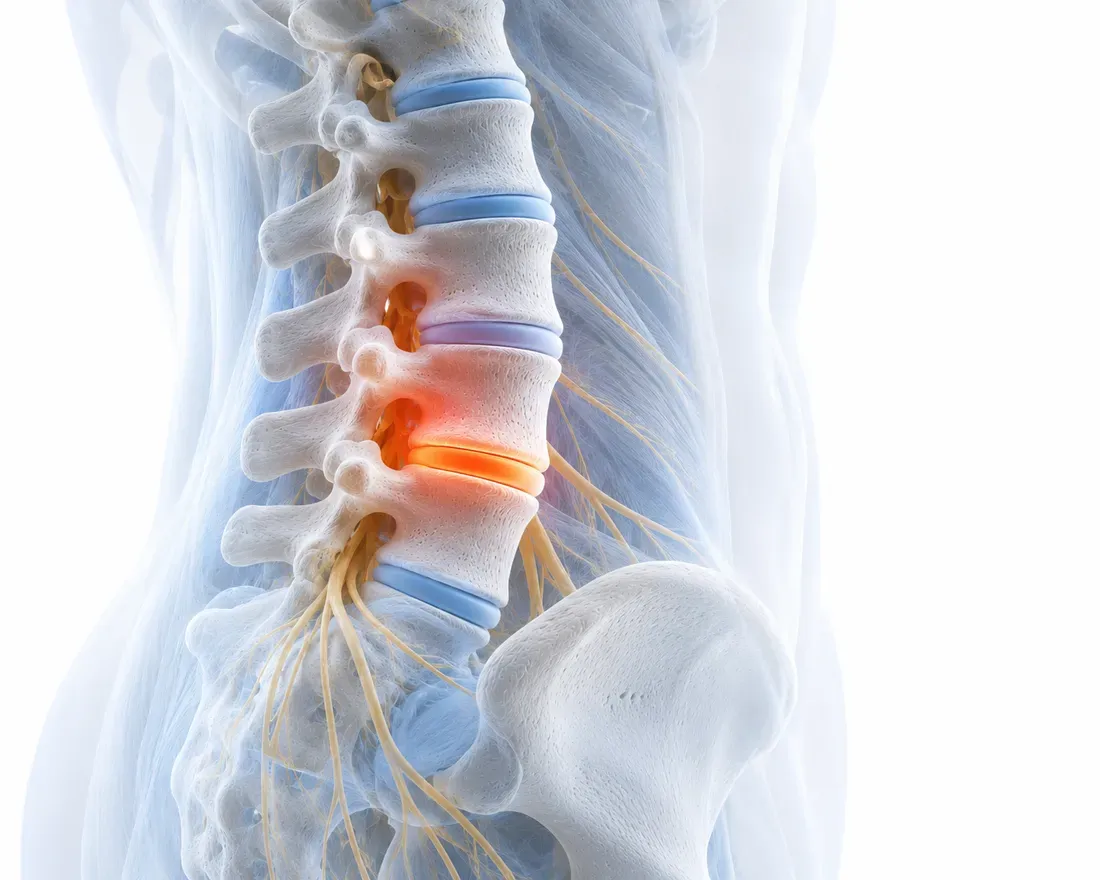
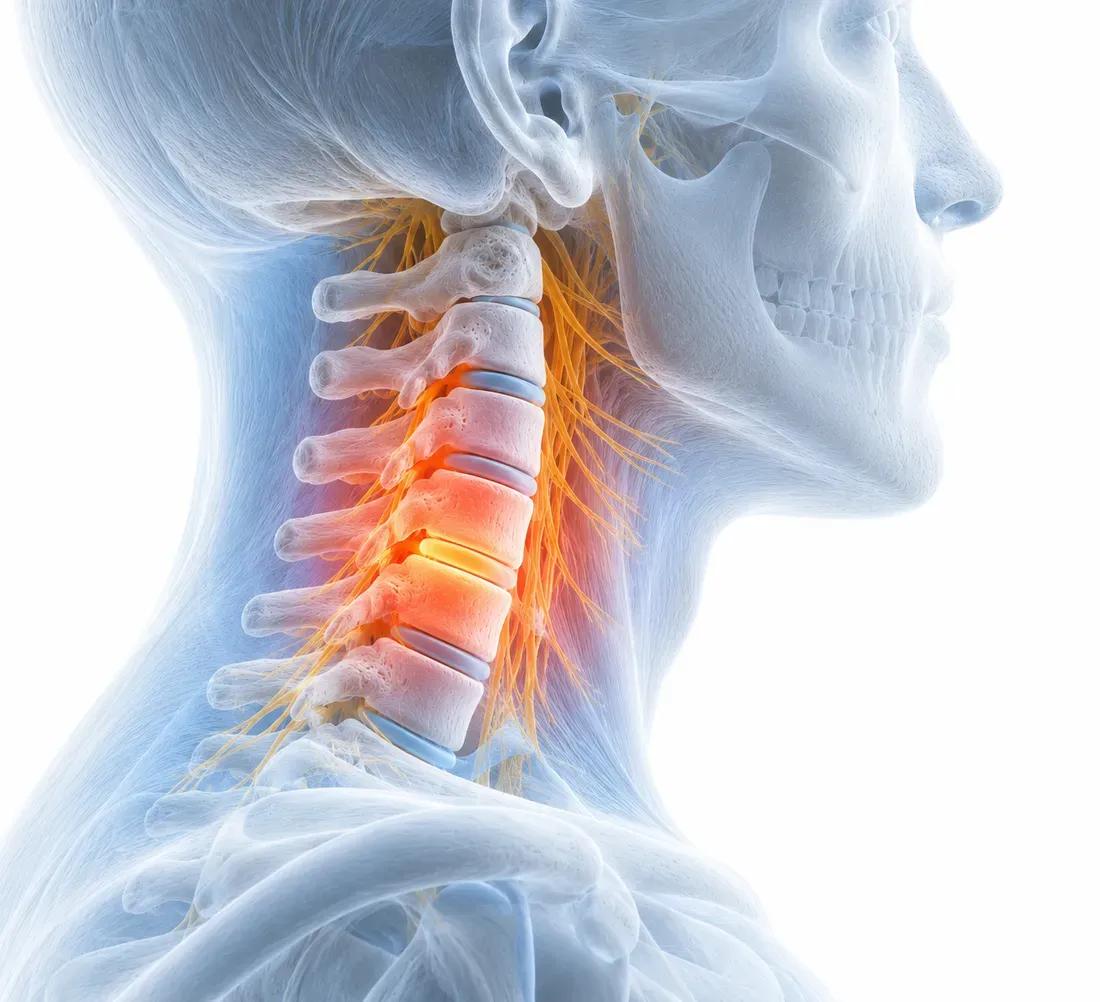
- Most of our work is musculoskeletal: back pain, neck pain, headaches, joint problems, sports injuries, postural issues, recovery support.
What osteopaths don’t do:
- Prescribe medication (we’re not medical doctors).
- Order most types of imaging directly (varies by scope and case).
- Diagnose or treat non-musculoskeletal medical conditions.
- Perform surgery.
When Osteopathy is genuinely the right first call
The clearest fit:
Mechanical musculoskeletal pain with a movement or load pattern. Pain that’s better in some positions and worse in others, that responds to movement, that’s tied to specific activities or postures. This is core osteopathic territory.
Recurring or unresolved issues that haven’t been thoroughly assessed. A back that’s been flaring quarterly for two years without anyone actually examining it. A neck that’s been stiff for months. A shoulder that’s been “just there” since a fall last winter. A thorough assessment is what we do.
Sports injuries (acute or recurring). Especially the sub-clinical ones that don’t quite show on scans but consistently affect performance: niggling hamstring tightness, a hip that doesn’t feel right when you run, a calf that keeps cramping.
Pain following an accident or workplace injury. These often fit ACC, and we can manage the claim alongside the treatment.
Posture and load-related pain in office workers, tradies, or new parents. Sustained-position issues often respond well to a combination of hands-on care and movement programming.
Pregnancy and postnatal back, pelvic, and neck pain. Specific patterns benefit from osteopathic care; we work alongside midwives, GPs, and obstetricians as needed.
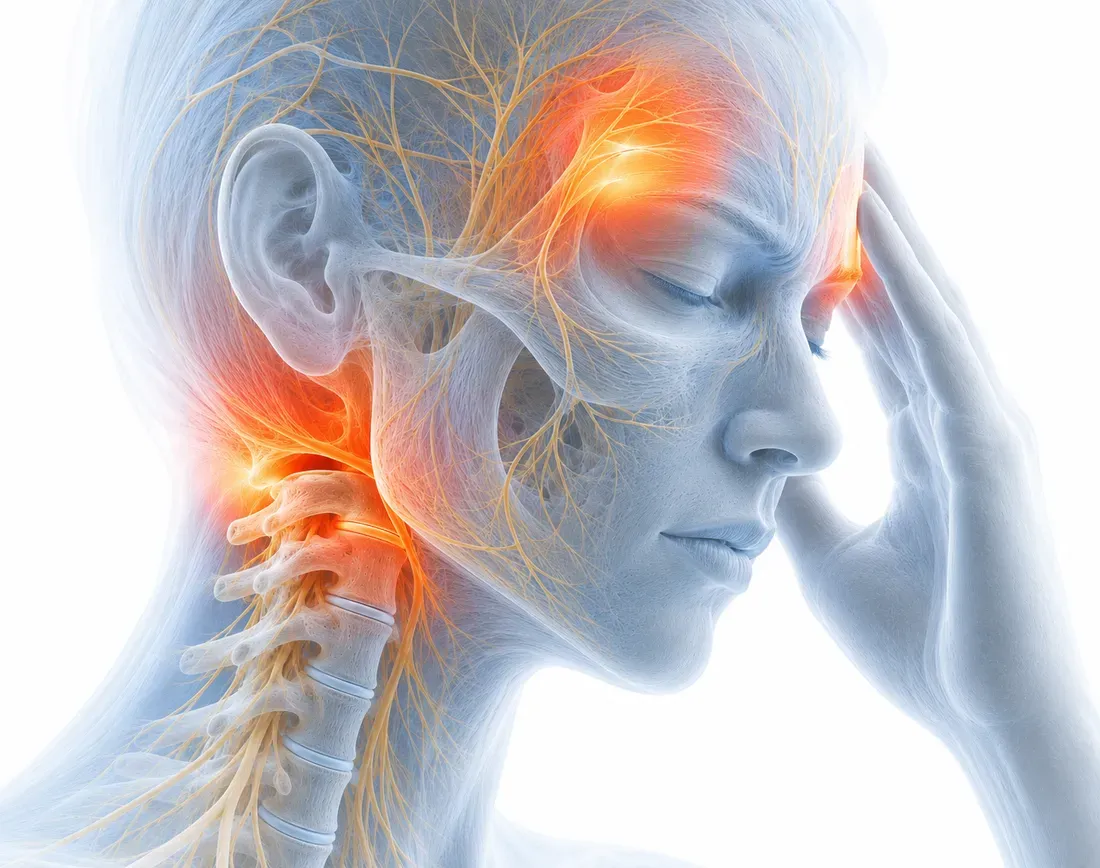
Headaches with a likely cervical/postural component. See the neck-headache article.
Babies and children with musculoskeletal-pattern concerns. Settling/feeding issues with a postural component, growing-related pains, sports overuse in young athletes. Always alongside paediatric medical care, not instead of.
When another profession fits better
Worth being honest about:
Acute medical emergencies. Sudden severe pain after a major fall. Suspected fracture. Chest pain. Loss of bladder or bowel control. Severe progressive weakness. Sudden numbness or loss of sensation. GP or A&E first; osteopath later if appropriate. We don’t manage the medical emergency; we’d refer immediately.
Suspected serious illness. Unexplained weight loss, persistent fever, night sweats, severe progressive symptoms. GP first. A musculoskeletal assessment isn’t going to find what needs finding.
Recovery from major surgery. Especially in the first weeks. The surgical team manages the early post-op rehab. Osteopathy can be useful later, but timing matters.
Significant pelvic floor concerns (incontinence, prolapse, post-natal pelvic floor dysfunction). A pelvic floor physiotherapist is often the right first call. We work alongside them; we don’t replace them.
Severe chronic pain syndromes (CRPS, fibromyalgia, central sensitisation conditions). Osteopathy can be part of the picture but rarely the only intervention; usually involves a multi-disciplinary team.
Mental health conditions as a primary issue. Pain often has a mental health component, and we work with that, but for primary depression, anxiety, trauma, the right first call is GP, psychologist, or counsellor.
Nutritional or metabolic concerns. Outside our scope. GP, dietitian, endocrinologist as appropriate.
When physiotherapy might fit better than Osteopathy (or alongside)
Physio and Osteopathy overlap substantially in NZ. Both treat musculoskeletal issues. Both can lodge ACC. The differences are real but smaller than each profession’s marketing suggests.
Physiotherapy sometimes fits better when:
- The case requires close integration with the public hospital system or post-surgical rehab pathways (physios are deeply embedded in those systems).
- The presenting problem is heavily exercise-prescription-driven and the patient prefers that emphasis.
- Specialist physiotherapy is needed (pelvic floor, vestibular, cardiopulmonary).
- The patient already has a relationship with a particular physio and prefers continuity.
Osteopathy sometimes fits better when:
- The patient prefers hands-on treatment as a substantial part of the visit.
- The case calls for a whole-body view (postural and load patterns across multiple regions, not just the painful spot).
- A more holistic / integrative approach is preferred.
- A complex chronic-pain picture with multiple contributing factors needs a thorough assessment that takes time.
For most musculoskeletal cases, either profession works well. Choose based on practitioner fit, accessibility, and personal preference rather than profession label.
The comparison cluster goes deeper on how the three professions compare.
When chiropractic might fit (and the cautious view)
Chiropractic in NZ also overlaps with Osteopathy and physio. It’s a regulated profession; chiropractors are also primary-contact and ACC-registered.
The cautious view: chiropractic varies more in approach than Osteopathy or physio. Some chiropractors practise in close alignment with mainstream evidence-based care (similar in many ways to musculoskeletal physiotherapy or Osteopathy). Some practise approaches with weaker evidence (frequent maintenance manipulation, claims around non-musculoskeletal conditions).
If you’re considering chiropractic, the question isn’t “is chiropractic right for me?” so much as “is this specific chiropractor’s approach evidence-aware?” The osteopath vs chiropractor article explores this in more depth.
What to expect at a first visit
If you decide to book, here’s the practical picture:
- A detailed conversation. What’s been going on, what makes it better or worse, what you’ve tried, what your daily life and goals look like.
- An examination. Looking at how you move, what hurts, what doesn’t, neurological screening if appropriate, screening for red flags.
- A clear explanation. What we think is going on, in plain English, without jargon or scare-language.
- A treatment plan. What treatment will look like, roughly how long it might take, what you’ll do at home between visits, when we’d expect changes.
- Treatment itself, usually starting at the first visit unless there’s a reason not to.
- A follow-up plan. When to come back, what to watch for, when to revisit if things don’t go as expected.
For the full first-visit picture, see the first visit page.
Cost and ACC
If your case is injury-related and ACC fits, the surcharge is $95 for a first visit and $90 for follow-ups. If ACC doesn’t fit, the private rate is $120 per visit.
The ACC and Osteopathy guide covers the full picture: when ACC applies, how lodging works, what to bring, how transferring providers works.
For private health insurance (Southern Cross, nib, AIA, etc.), see the insurance page.
Honest answers to common worries
“What if you can’t help?” We’ll tell you. A first visit is also a triage: if your case is outside our scope, the visit ends with a clear pathway to the right person. We’d rather be honest than book follow-ups that aren’t going to help.
“Will you tell me I need to come back forever?” No. Most cases finish in a defined block of treatment with a clear exit. Maintenance visits are reasonable for some patients with specific patterns; not a default.
“What if I’m wrong about what’s going on?” Often you are. The clinical assessment is what figures out what’s actually driving the problem. Coming in with the wrong theory and leaving with the right one is normal and useful.
“What if it doesn’t work?” We’d rather know early than late. If treatment isn’t producing the expected change after 3-4 visits, that’s a signal to reassess (and possibly refer), not to keep going.
Booking with us
If after reading this you think Osteopathy fits, book online or call us on 0800 67 77 00. If you’re not sure, you can call and we’ll have a brief conversation about whether your case fits. We don’t book people in just to find out.
Related reading
- About Osteopathy for what Osteopathy actually is.
- What to expect at your first visit for the practical visit picture.
- ACC and Osteopathy guide for the funded-care side.
- Osteopath vs chiropractor vs physio for the profession comparison.