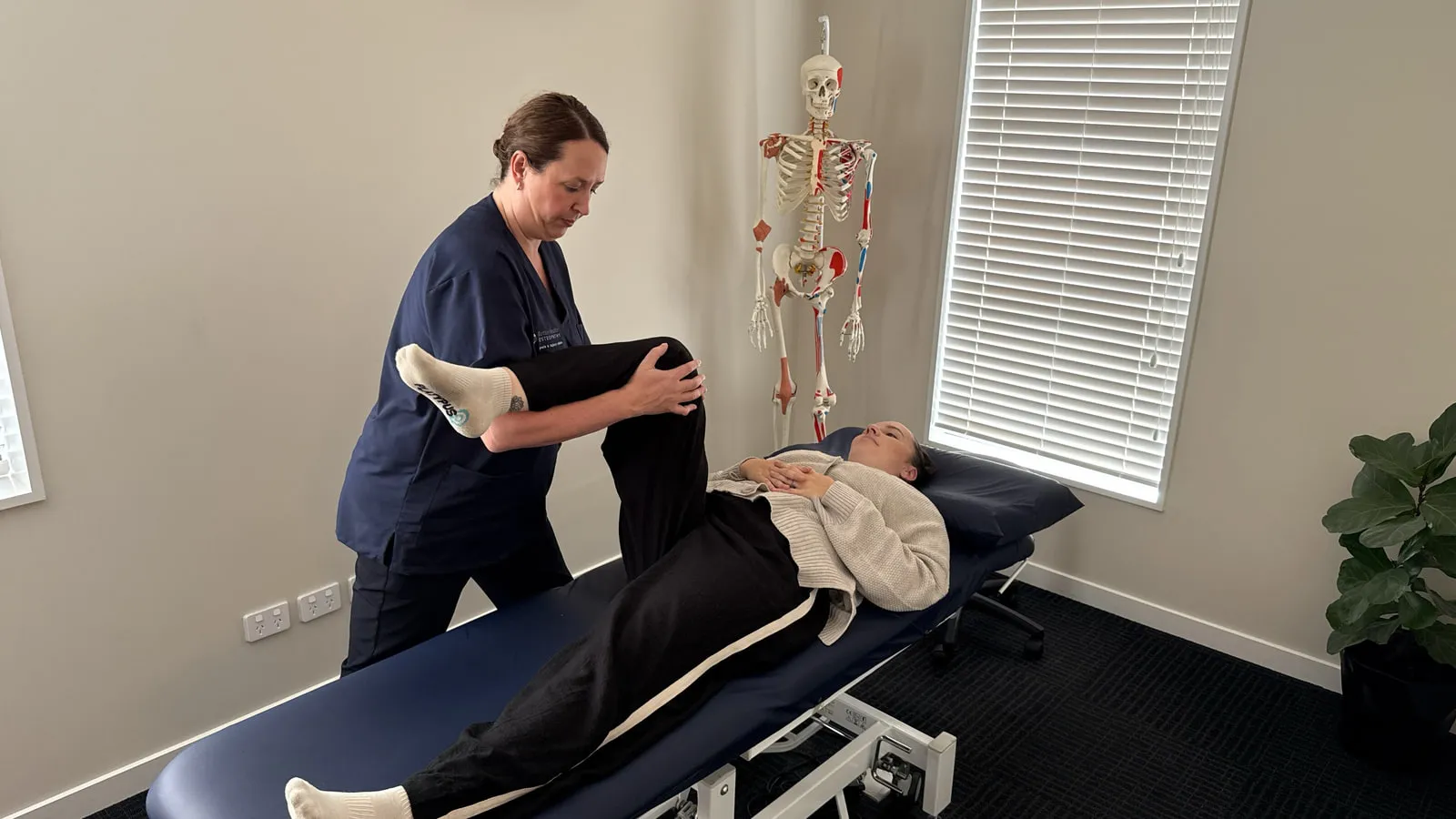

For decades, fitness messaging directed at women has emphasised cardio, “toning”, small weights, high reps. The actual evidence has moved on substantially in the last 20 years, and it’s now well-established: strength training (lifting heavier loads, fewer reps, with progressive overload) is one of the highest-leverage things women can do for their long-term physical and mental health.
This isn’t a marketing piece. It’s a clinical view of what we see in clinic, what the research supports, and what we wish more patients had been doing 20 years before they walked in.
The short version
Strength training matters for women because:
- It builds and maintains bone density, which matters more for women due to the post-menopause acceleration in bone loss.
- It counteracts sarcopenia (age-related muscle loss), which begins in the 30s and accelerates in the 50s+.
- It reduces fall risk in older adults, the single biggest preventable cause of disability.
- It supports body composition more reliably than cardio alone.
- It improves mental health outcomes (depression, anxiety, body confidence) measurably.
- It doesn’t make women “bulky” without specific high-volume programming, which is hard to do accidentally.
Women who lift consistently from their 20s-30s onward dramatically reduce their fracture risk, frailty risk, and functional dependence in older age. The clinical evidence is unambiguous.
Why bone density matters more for women
Women lose bone density faster than men through life, especially during the perimenopause and postmenopause window (roughly 45-55 and beyond). Oestrogen plays a protective role in bone metabolism; when it drops, bone loss accelerates.
The numbers: women can lose up to 20% of bone density in the 5-7 years around menopause without intervention. This is the period that makes the difference between a robust skeleton at 70 and a fragile one.
The two major modifiable interventions are weight-bearing exercise + strength training and adequate calcium and vitamin D intake. Strength training is the more impactful of the exercise modes; bones respond to load. Walking is good but doesn’t load the skeleton enough to drive substantial density gains.
Ideal is to start before peak bone mass declines (so 20s-30s for prevention), but adding strength training in the 50s-70s still measurably improves outcomes. It’s never too late.
Sarcopenia, frailty, and falls
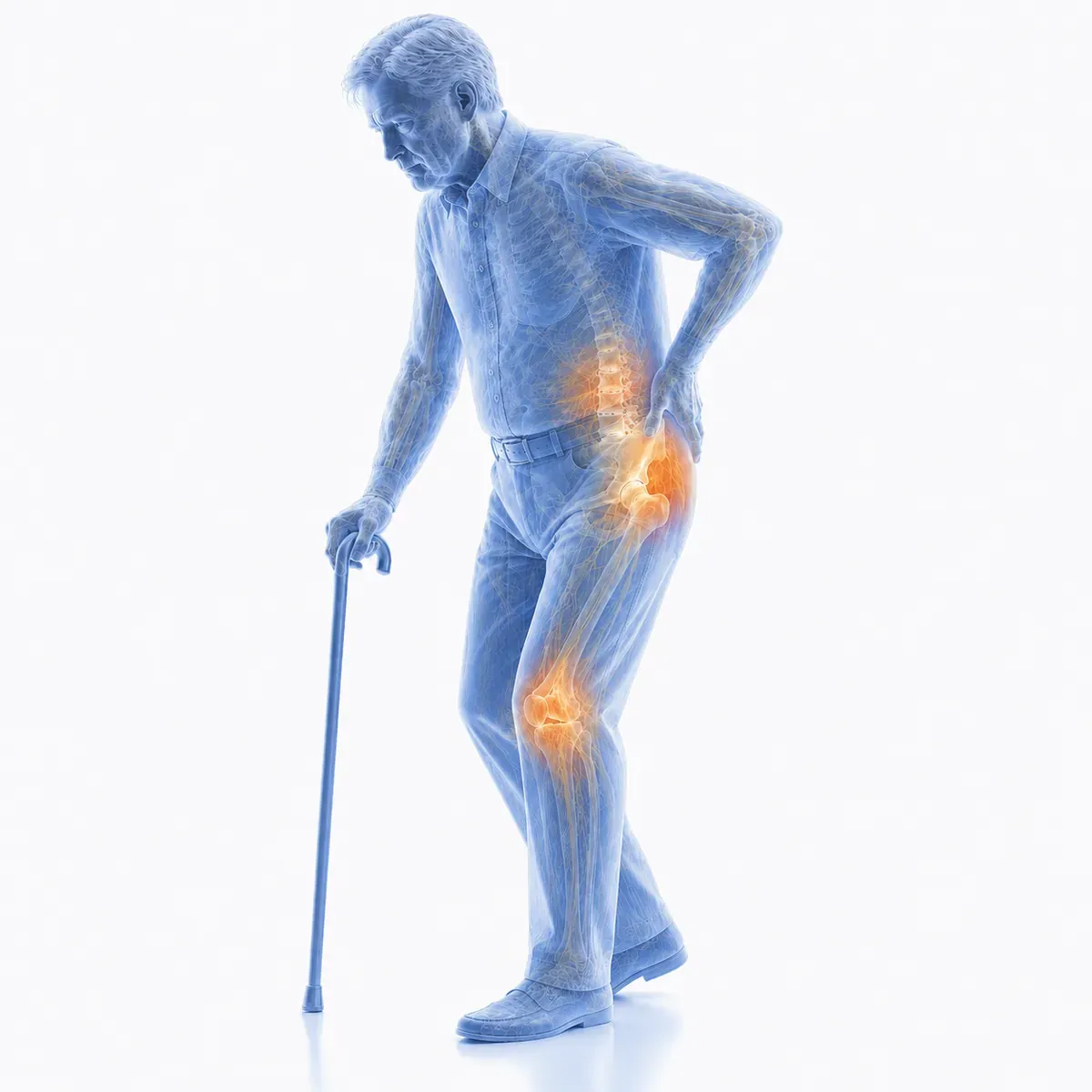
After about age 30, adults lose muscle mass at roughly 3-8% per decade unloaded. After 60, this can accelerate to over 1% per year. This loss (sarcopenia) is the underlying mechanism that takes someone from active 70s to fragile 80s.
The consequences are practical: frailty, falls, fractures, loss of independence, hospital admission. Falls are the leading cause of injury-related death in NZ adults over 65, and sarcopenia is the dominant modifiable contributor.
Strength training is the single most effective intervention. Older adults who lift consistently maintain strength and function decades longer than those who don’t. The evidence here is among the strongest in clinical exercise science.
Body composition reality
The classic women’s fitness advice (lots of cardio, eating less, light weights for “toning”) often produces frustrating results: weight goes down, but body composition shifts toward less muscle and similar or higher fat percentage. Energy levels drop. The metabolism slows. Strength doesn’t improve.
Strength training shifts the picture:
- Muscle is metabolically active: more muscle means a higher resting metabolic rate.
- Body composition improves more reliably with strength + reasonable nutrition than with cardio + restriction.
- Energy and stamina generally improve, not decrease.
- Strength gains are measurable and motivating, unlike scale-watching.
The “I don’t want to get bulky” concern is real but practically rare. Building substantial muscle mass requires high-volume training plus deliberate eating; it doesn’t happen accidentally with 2-3 strength sessions a week. What does happen with that level of training is leaner, stronger, more capable.
Hormonal transitions: pregnancy, postnatal, perimenopause
Three life stages where strength training matters specifically:
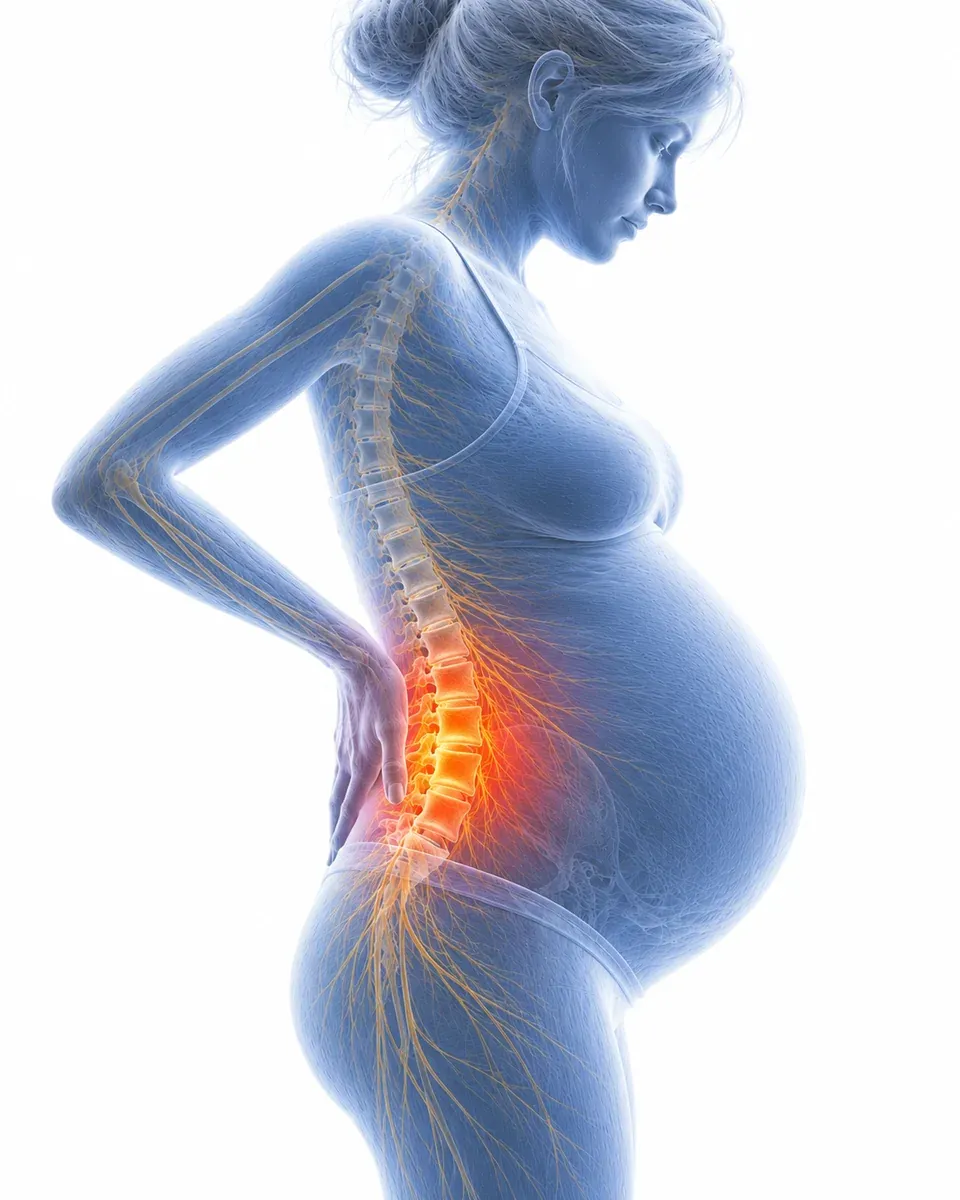
Pregnancy: maintaining strength during pregnancy supports back, pelvis, and overall function. Modified, but rarely stopped entirely. There are evidence-based guidelines for pregnancy strength training that most fitness professionals can work within.
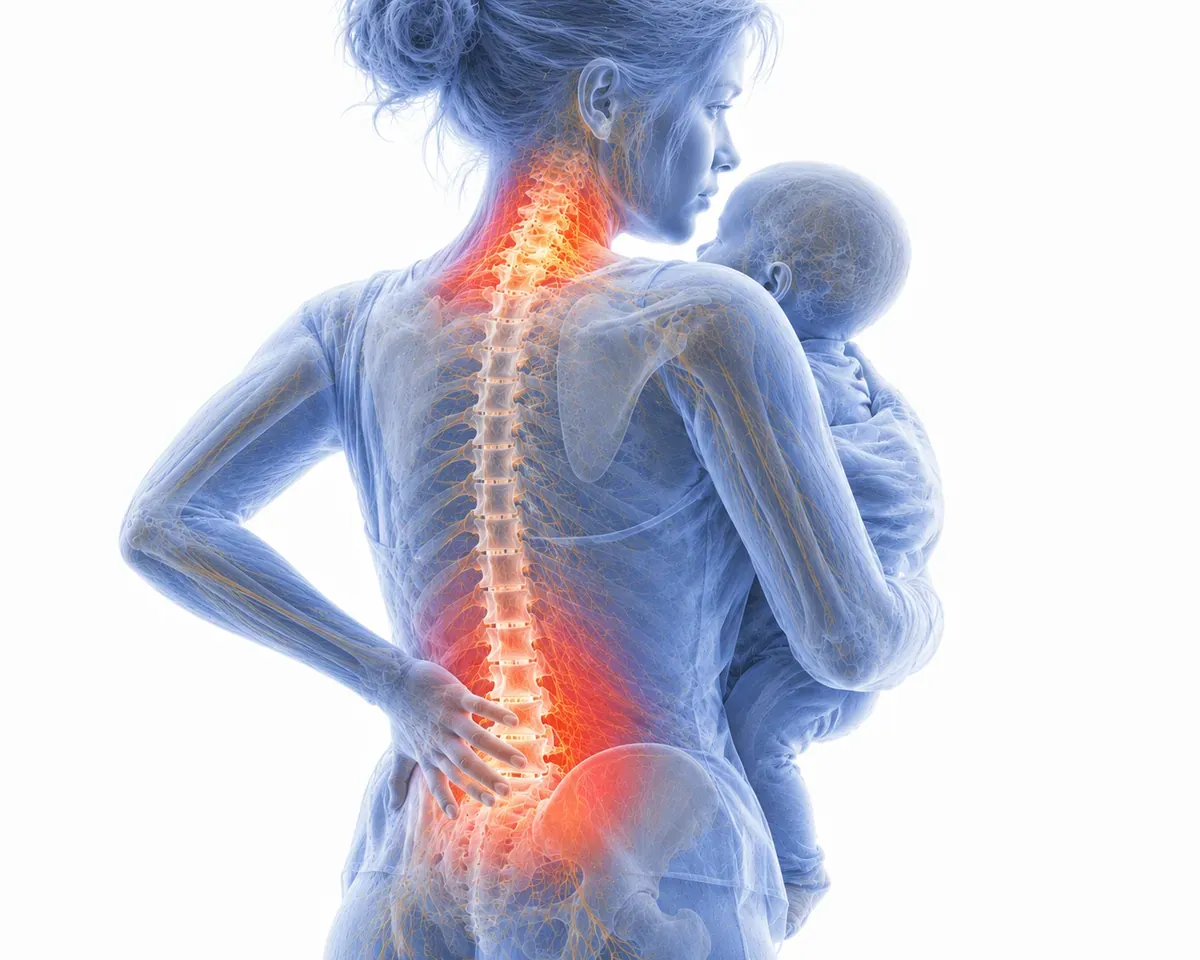
Postnatal: the postnatal period is the highest-leverage window for many women’s strength foundations. Pelvic floor recovery (often best with a pelvic floor physiotherapist), core function, return to load progressively. The pelvic floor article covers the pelvic floor side; the broader strength rebuild works alongside.
Perimenopause and postmenopause: the bone-density window discussed above. Strength training during and after the menopausal transition has outsized impact.
Each of these has specific considerations. A clinician (osteopath, physio, or qualified S&C coach with relevant experience) can tailor the programming.
Mental health benefits
The research on strength training and mental health has been growing. Effects measured in studies include:
- Reduced depression symptoms (both mild-moderate clinical depression and subclinical low mood).
- Reduced anxiety (general anxiety, social anxiety, body-image-related anxiety).
- Improved sleep quality.
- Improved body confidence and self-efficacy.
The mechanisms are likely multi-factorial: physiological (cortisol regulation, BDNF, neurotransmitter effects), psychological (mastery experience, agency), and social (often community-based).
Strength training isn’t a replacement for mental health treatment when needed. It’s a meaningful adjunct that’s often underutilised.
What “strength training” actually looks like
A common confusion: “strength training” doesn’t have to mean barbells and a powerlifting gym. The principles:
- Resistance: dumbbells, kettlebells, resistance bands, body weight, gym machines, barbells. All work, in roughly that order of accessibility.
- Progressive overload: gradually increasing the demand. The same weights for the same reps for years doesn’t drive adaptation.
- Compound movements: squats, deadlifts, presses, rows, hinges. Train multiple joints at once for efficiency and functional carryover.
- 2-3 sessions per week, 30-60 minutes each: sufficient for most women’s goals.
- Higher loads, fewer reps for strength (5-8 reps); moderate loads, more reps for hypertrophy (8-15); light loads, many reps mostly for endurance (16+).
A reasonable starting programme:
- 2 full-body sessions per week, separated by at least one rest day.
- Each session: a squat-pattern lift, a hinge-pattern lift, a push-pattern lift, a pull-pattern lift, a core movement.
- 3 sets of 8-12 reps, building load week by week.
- Session length 30-45 minutes including warmup.
Common worries, addressed
“I’ll get bulky.” Rarely happens without specific high-volume programming and deliberate eating. Most women who lift 2-3 times a week become stronger and leaner.
“I’ll hurt myself.” With reasonable form and progressive loading, strength training has a lower injury rate than running. Working with a coach or qualified professional for the first few weeks reduces risk further.
“I’m too old to start.” The strongest evidence for strength training benefits is in older adults. Starting at 60 or 70 still produces substantial improvements.
“My back hurts; I shouldn’t lift.” In most cases, the opposite is true: well-programmed strength training is one of the most effective interventions for chronic back pain. Speak with a clinician about programming around your specific picture.
“I haven’t got time.” 30 minutes, twice a week, is enough. Most people spend that on social media in a single morning.
When to seek clinical input
A general-population programme is fine for healthy women without specific issues. Worth a clinical assessment if:
- You’re returning from injury and aren’t sure what’s safe.
- You have ongoing pain that hasn’t responded to general programming.
- You’re pregnant or postnatal and want pregnancy/postnatal-appropriate programming.
- You’re in or approaching menopause and want a programme tailored to bone health and the hormonal transition.
- You’ve had a fall or feel your balance/confidence has dropped.
- You want a programme that fits with a specific medical condition (osteoarthritis, diabetes, cardiovascular history).
An osteopathic assessment can identify movement patterns, areas of stiffness or weakness, and contributing factors that should shape the programming. We work alongside qualified S&C coaches and personal trainers; for the actual programming, the right partnership often involves both.
Booking with us
If you’d like to start strength training and want a clinical assessment to inform the programming (or want to address an issue that’s been holding you back from lifting), book online or call us on 0800 67 77 00.
Related reading
- What is core strength and how do I maintain it for the trunk-stability foundations.
- Promoting good bone health in children and teenagers for the long view on lifelong bone health.