
The pelvic floor is one of the most overlooked structures in the body until something with it goes wrong. Pregnancy and childbirth put substantial demand on the pelvic floor, and a meaningful percentage of women emerge with dysfunction that often goes unaddressed because it’s quietly accepted as “normal after kids”.
It’s not normal. It’s common, but treatable. This article is a clear guide to what’s happening, what to watch for, and the right care pathway.
Pelvic floor physiotherapy is the right primary specialty for pelvic floor concerns in NZ. Osteopathy supports and complements pelvic floor physio (especially for the surrounding back, pelvis, and hip patterns), but isn’t the right substitute for it. We routinely refer patients to pelvic floor physiotherapists, and we work alongside them.
What the pelvic floor actually is
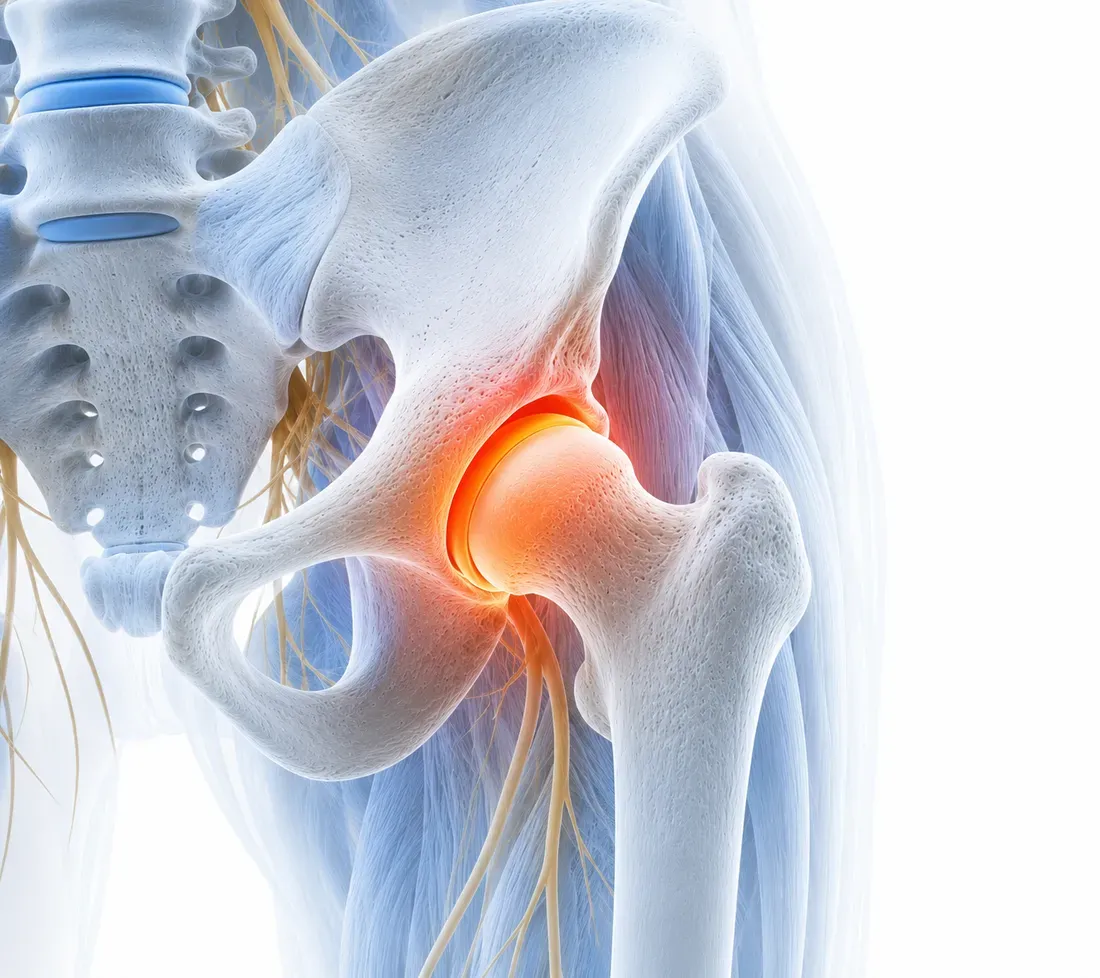
The pelvic floor is a group of muscles, ligaments, and connective tissue that span the bottom of the pelvis. It runs from the pubic bone at the front to the tailbone at the back, and side-to-side between the sit bones. Its job:
- Support the pelvic organs (bladder, uterus, bowel) against gravity and intra-abdominal pressure.
- Continence: closing off the urethra and anus to prevent leakage.
- Sexual function.
- Coordination with breathing and core function: the pelvic floor is one wall of the deep core cylinder (with the diaphragm at the top, transversus abdominis at the front and sides, multifidus at the back).
- Birth: stretching and relaxing to allow vaginal delivery.
It works in coordination with breathing and core engagement. Lift a heavy object: the diaphragm and pelvic floor co-contract briefly to manage intra-abdominal pressure. Cough or sneeze: the pelvic floor pre-tenses to prevent leakage.
What pregnancy does to the pelvic floor
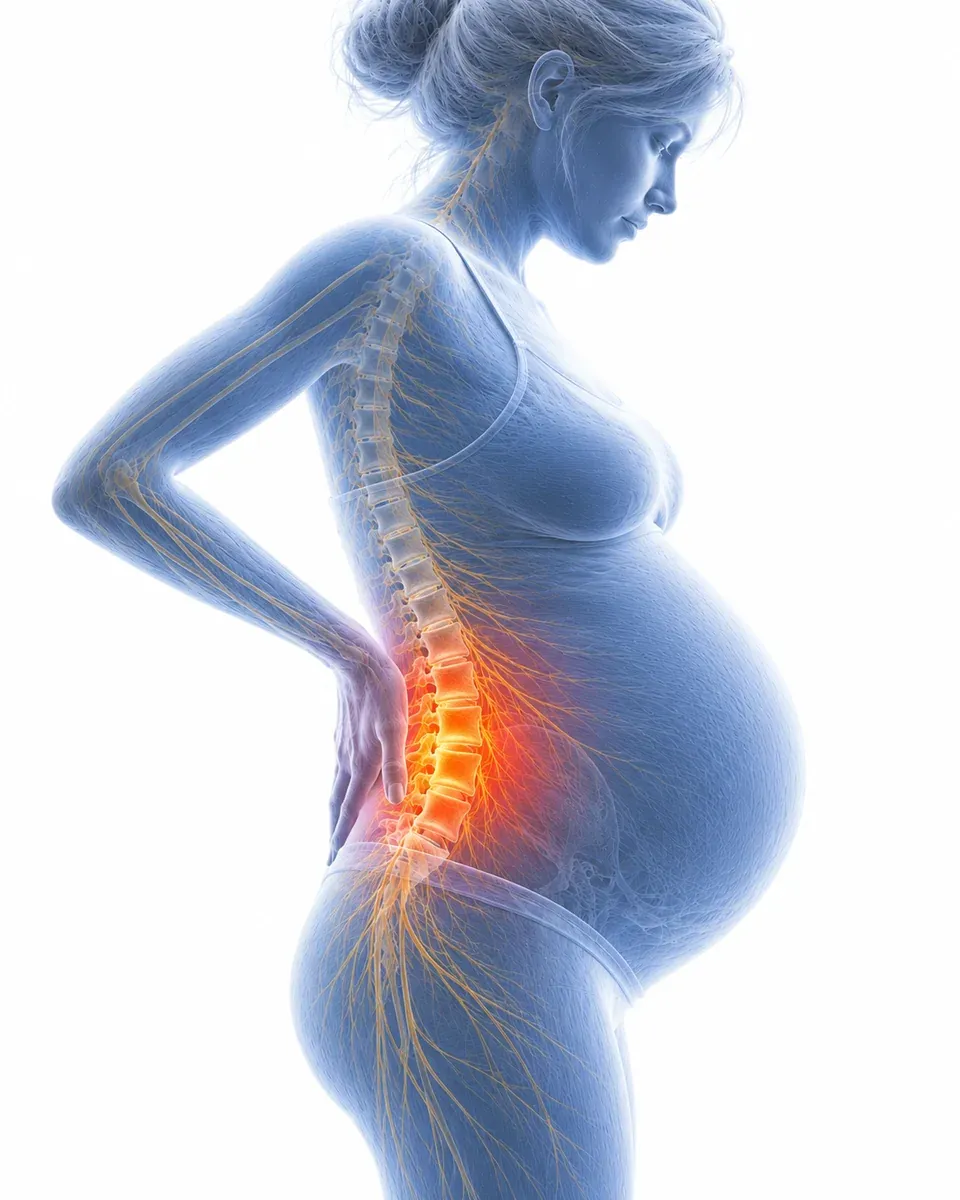
Pregnancy puts substantial strain on the pelvic floor through several mechanisms:
1. Hormonal change. Relaxin and other hormones increase ligamentous laxity throughout the body, including pelvic ligaments. This is necessary for delivery but reduces the structural support.
2. Mechanical load. The growing uterus puts increasing downward pressure on the pelvic floor. By late pregnancy, the load on the pelvic floor is substantially higher than non-pregnant baseline.
3. Postural and biomechanical change. As the body shape changes, the alignment of the spine, pelvis, and abdominal wall shifts. The pelvic floor has to work in different patterns.
4. Coordination challenges. The deep core cylinder (diaphragm-transversus-pelvic floor) becomes harder to coordinate as the abdominal wall stretches.
By late pregnancy, many women experience some degree of:
- Stress incontinence (small leaks with cough, sneeze, exercise).
- Pelvic heaviness or pressure.
- Pelvic girdle pain (pain in the SI joints, pubic symphysis, or general pelvic region).
- Urgency (sudden need to urinate).
A small to moderate amount of these is common in pregnancy. Persistent or severe symptoms warrant assessment, both during pregnancy and post-birth.
What childbirth does
Vaginal birth is, anatomically, the most stressful single event the pelvic floor experiences. The structures stretch dramatically, and depending on the birth, they may be partly torn, episiotomied, or healed with surgical repair.
Caesarean section doesn’t put the same direct stretch on the pelvic floor, but is often preceded by labour and changes in pelvic floor function from late pregnancy. Caesarean isn’t a “free pass”; pelvic floor concerns can occur after caesarean too.
Post-birth, the pelvic floor is recovering from substantial trauma. Even an “uncomplicated” delivery represents tissue change that takes weeks to months to heal.
What’s “normal” early postpartum
In the first 6-8 weeks after birth:
- Some incontinence (small leaks with cough, sneeze, laugh) is common as tissues heal and coordination returns. Often resolves substantially in the first 3 months.
- Heaviness or pressure that improves with rest is often normal; it should reduce week-on-week.
- Soreness and tenderness at perineum or surgical sites resolves over weeks.
- Difficulty fully emptying the bladder in the first weeks can be normal; should resolve by 4-6 weeks.
What’s not normal (and warrants assessment):
- Persistent incontinence beyond 3 months postpartum.
- Heaviness or “something falling out” sensation that doesn’t resolve.
- Visible bulging in the vagina (suggestive of prolapse).
- Severe or persistent pain with intercourse, exercise, or daily activities.
- Faecal incontinence at any stage.
- Inability to empty the bladder fully beyond 4-6 weeks.
- Recurrent UTIs.
- Persistent pelvic girdle pain that doesn’t settle.
These signal that the pelvic floor needs specific clinical input.
When to see a pelvic floor physiotherapist
A pelvic floor physiotherapist is the specialist for pelvic floor concerns. They have specific training in internal pelvic floor assessment, pelvic floor rehab programming, and the conditions that affect this region. In NZ, several public maternity services include pelvic floor physio referrals; private pelvic floor physio is also widely available.
Worth a referral if:
- You’re 6-12 weeks postpartum with any of the “not normal” signs above.
- You’re returning to running, lifting, or sport postpartum and want a specific assessment of readiness.
- You had a complicated birth (significant tearing, instrumental delivery, prolonged second stage).
- You had pelvic girdle pain in pregnancy that hasn’t resolved.
- You’ve had previous pelvic surgery.
- You want a baseline assessment for general postpartum recovery.
In NZ, most pelvic floor physio is private (some ACC cases qualify in specific circumstances). Some private health insurance policies cover it.
We at BHO can refer you to a pelvic floor physiotherapist; we have working relationships with several in Christchurch. Just ask.
What about Osteopathy for pelvic floor concerns?
The honest answer:
- Osteopathy is not a substitute for pelvic floor physiotherapy for the specific pelvic floor concerns above. The pelvic floor specialty is a real one and the right clinician matters.
- Osteopathy works well alongside pelvic floor physiotherapy for the surrounding picture: back, pelvis, hips, ribs, and the integration with breathing and movement.
- For pelvic girdle pain specifically (pain in the SI joints, pubic symphysis, low back), Osteopathy is often a strong fit either as primary care or alongside pelvic floor physio.
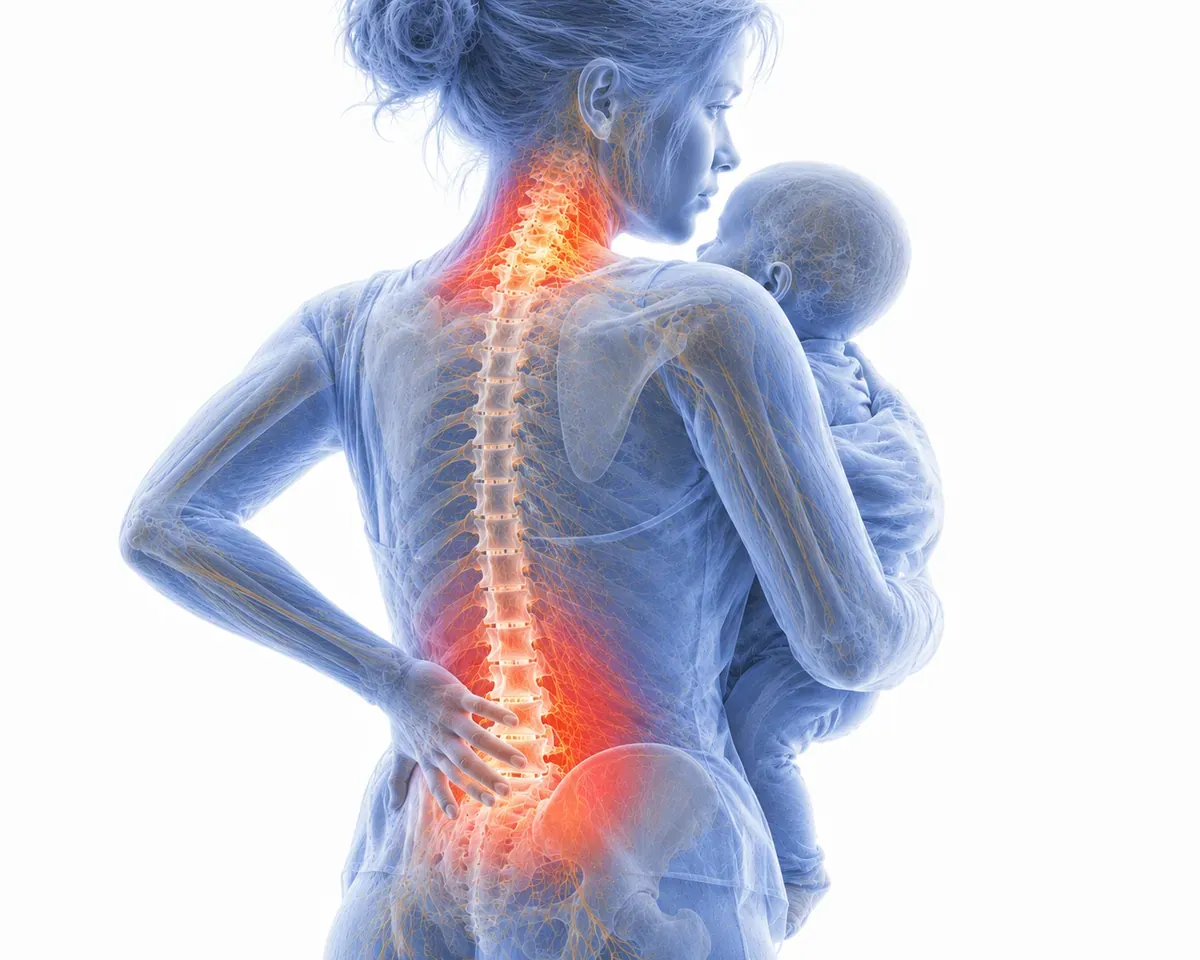
- For postnatal recovery more broadly (returning to exercise, addressing back/neck/shoulder strain from feeding and lifting baby, integrating core function), Osteopathy is well-suited.
In other words: Osteopathy is part of the picture, not the whole picture, when the pelvic floor itself is the primary concern.
A typical pathway through pregnancy and postpartum
For a generally well pregnancy and birth, with no major pelvic floor concerns:
-
During pregnancy: maintain reasonable activity; consider Osteopathy for pelvic girdle or back/neck strain as it appears; be aware of pelvic floor symptoms and flag them to your midwife or GP if persistent.
-
First 6 weeks postpartum: rest and recover. Focus on healing, feeding, sleep where possible. Avoid heavy lifting, running, or intense exercise. Re-engage gentle pelvic floor activation when comfortable (around 2-4 weeks for most uncomplicated births).
-
6-12 weeks postpartum: a structured assessment is useful. For uncomplicated cases: GP or midwife 6-week check covers a lot. For any pelvic floor concerns or for women planning to return to running or sport: pelvic floor physiotherapy assessment is valuable.
-
3-12 months postpartum: progressive return to activity. Strength rebuild. Pelvic floor physio if any concerns remain. Osteopathy for back/neck/shoulder strain from the demands of looking after a baby (feeding posture, lifting, carrying).
-
Beyond 12 months: continued strength and mobility work. Most pelvic floor concerns either fully resolve or are well-managed by this point with appropriate care.
Common myths
“It’s just normal after kids.” Some changes are common. Persistent dysfunction isn’t “normal” in the sense of “untreatable”. Most pelvic floor issues respond well to specific treatment.
“Kegels fix everything.” Kegels (pelvic floor contractions) help in many cases, but they’re done wrong by a substantial fraction of women trying to do them, and they’re not the right intervention in some cases (e.g. pelvic floor that’s already overactive). Specific assessment matters.
“You just need to wait for it to get better.” Some early postnatal symptoms do settle with time; persistent ones rarely improve without specific intervention.
“Once you’ve had kids, your body just won’t be the same.” Function, in most cases, can be substantially restored. Aesthetics may differ; function shouldn’t have to.
ACC and pelvic floor concerns
Most pregnancy-related and birth-related pelvic floor concerns are not ACC-eligible, because pregnancy and childbirth aren’t injuries in the ACC sense. There are specific exceptions (e.g. ACC sometimes covers significant birth injury claims for specific cases, particularly under newer pelvic-floor-specific provisions).
For most cases, treatment is private. Some cover via private health insurance.
Booking with us
If you’d like osteopathic care for the back, pelvis, or general postnatal recovery side, book online or call us on 0800 67 77 00. If you have specific pelvic floor concerns, mention them when you book and we’ll either work alongside a pelvic floor physiotherapist or refer you to one (depending on what fits best for your case).
Related reading
- Pregnancy low back pain for the related back-pain side.
- Care for pregnancy for pregnancy-specific care information.
- Care for postnatal for postnatal-specific care information.