
“Core strength” is one of those terms that gets used everywhere and means slightly different things to different people. The fitness industry tends to mean “visible abs”. Physios and clinicians mean something quite different: the ability of your trunk to stay stable under load while your limbs do what they need to do.
This article is a clear, plain-English picture of what core strength actually is, why it matters more than visual aesthetics, and what a sensible maintenance programme looks like for someone who isn’t training for a competition.
The short version
- Core strength is the ability of your trunk to stay stable while your limbs move and lift.
- It involves the deep stabilisers (transversus abdominis, multifidus, pelvic floor, diaphragm) AND the larger movers (rectus abdominis, obliques, erectors), working together.
- It’s a foundation for back, hip, and shoulder function; weakness here pushes load onto structures that aren’t designed to absorb it.
- Maintenance is achievable in 10-15 minutes, two or three times a week, with movements chosen for control rather than burn.
- “Core” does NOT mean visible abs. Strong cores often live under unimpressive-looking torsos.
What “the core” actually is
Three things confuse the conversation: people use “core” to mean abdominal muscles only, or only the deep stabilisers, or anything between the neck and the hips. The clinical view is broader.
The functional core includes:
Deep stabilisers (the inner cylinder):
- Transversus abdominis: a deep wrap-around muscle that compresses the abdomen.
- Multifidus: small deep spinal muscles that stabilise individual vertebrae.
- Pelvic floor: the bottom of the cylinder; connects to abdominal pressure regulation.
- Diaphragm: the top of the cylinder; coordinates with the others during breathing.
Larger movers (the outer layer):
- Rectus abdominis (the “six-pack”): trunk flexion.
- Obliques (internal and external): trunk rotation and side-bending.
- Erector spinae group: trunk extension.
Surrounding contributors:
- Glutes (especially gluteus medius): pelvic stability, often considered “honorary core”.
- Lats: connects the trunk to the arms; matters for force transfer.
- Hip flexors and adductors: contribute to pelvic position.
Functional core strength is when all of these coordinate so the trunk is stable while the limbs work. It’s a coordination story as much as a strength story.
Why core strength matters
Three concrete reasons it shows up in clinic:
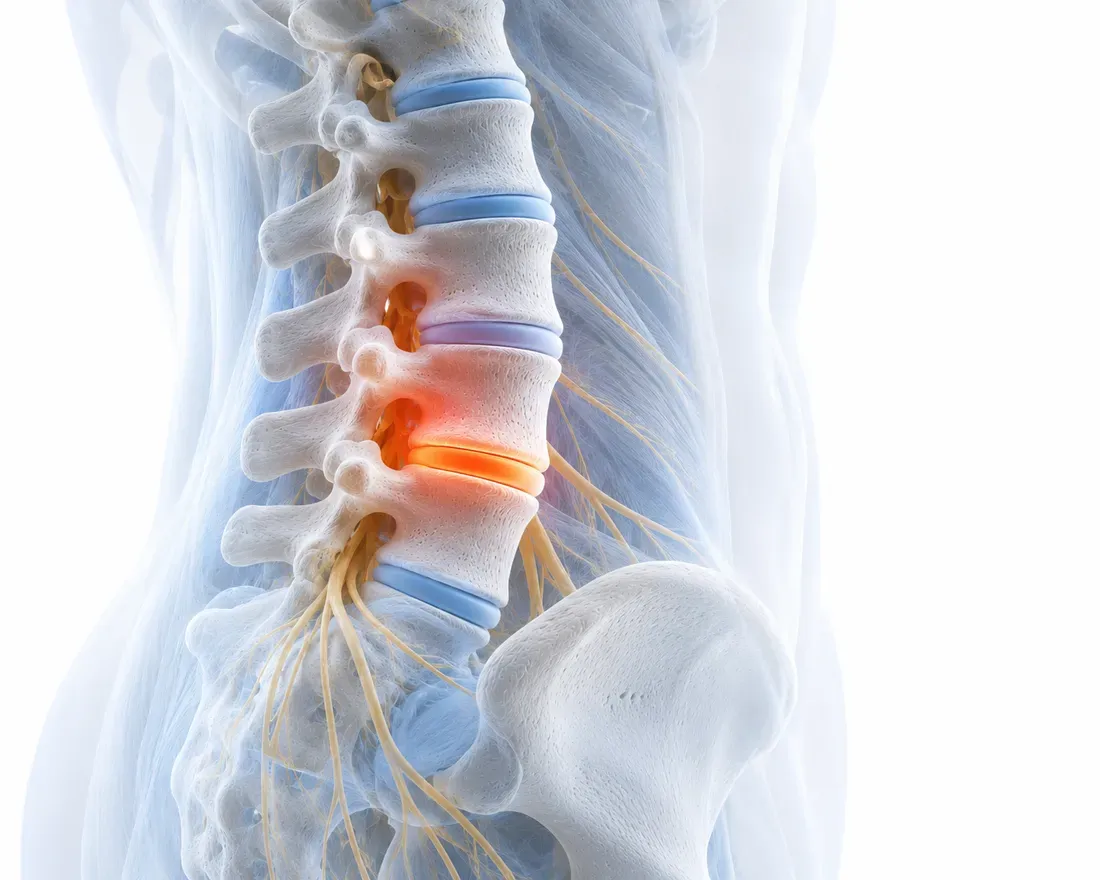
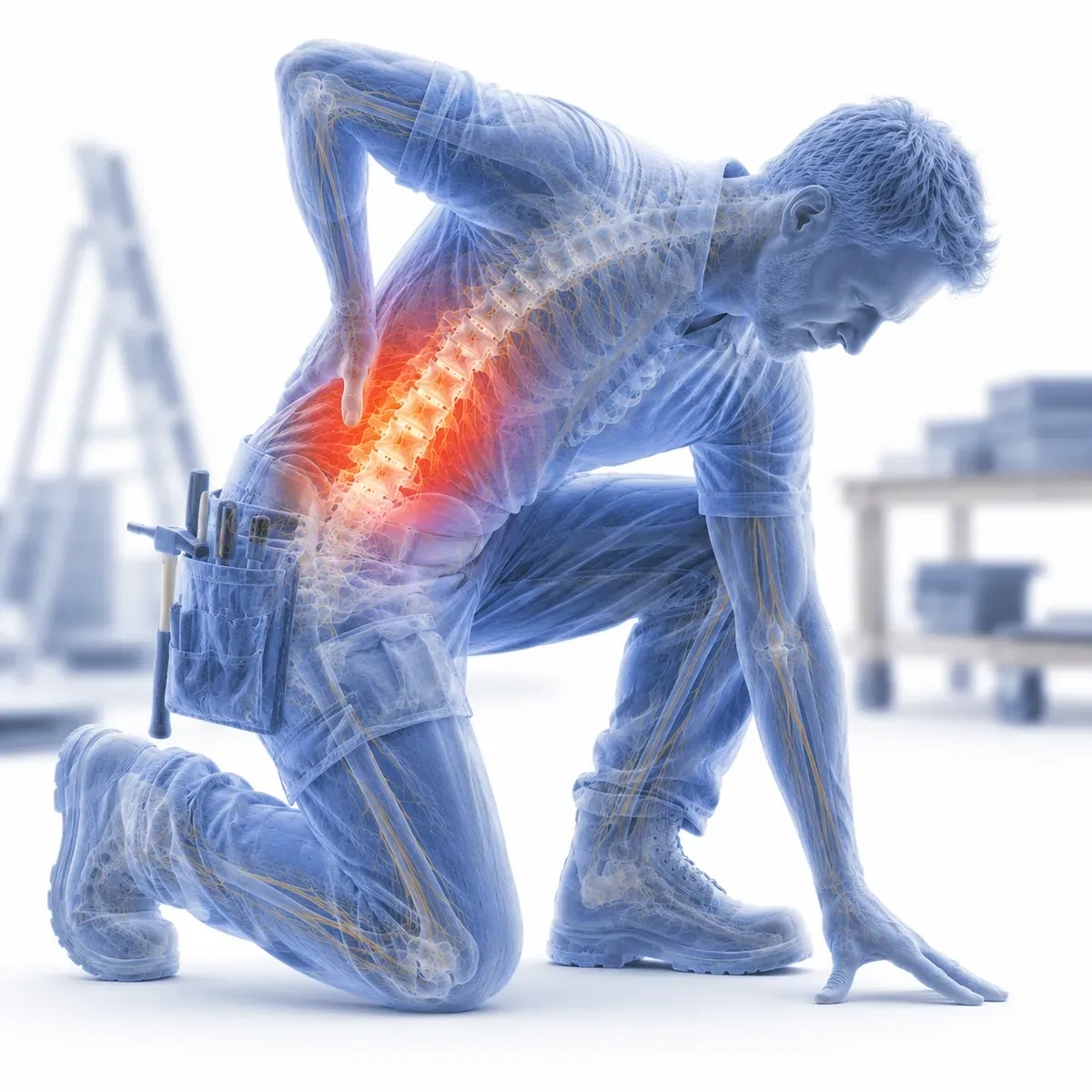
Back protection. When the deep stabilisers fire well, load on the spine is distributed. When they don’t, individual segments take more load and the back becomes more flare-prone. Most recurring back pain involves some component of poor deep-stabiliser activation.
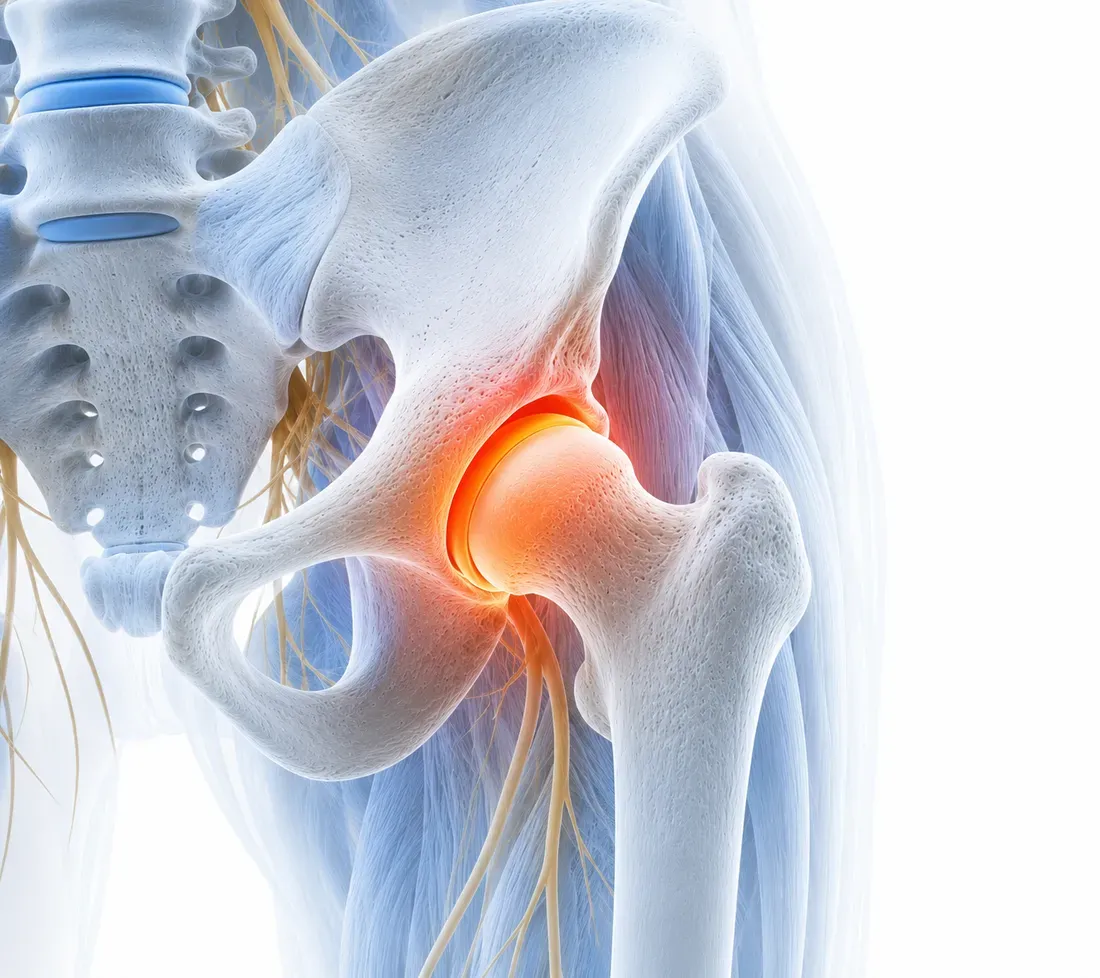
Hip and lower-limb function. Pelvic stability comes from the core. Poor pelvic stability shows up as knee tracking issues, IT band tightness, foot pronation, and a higher rate of running and sport injuries.
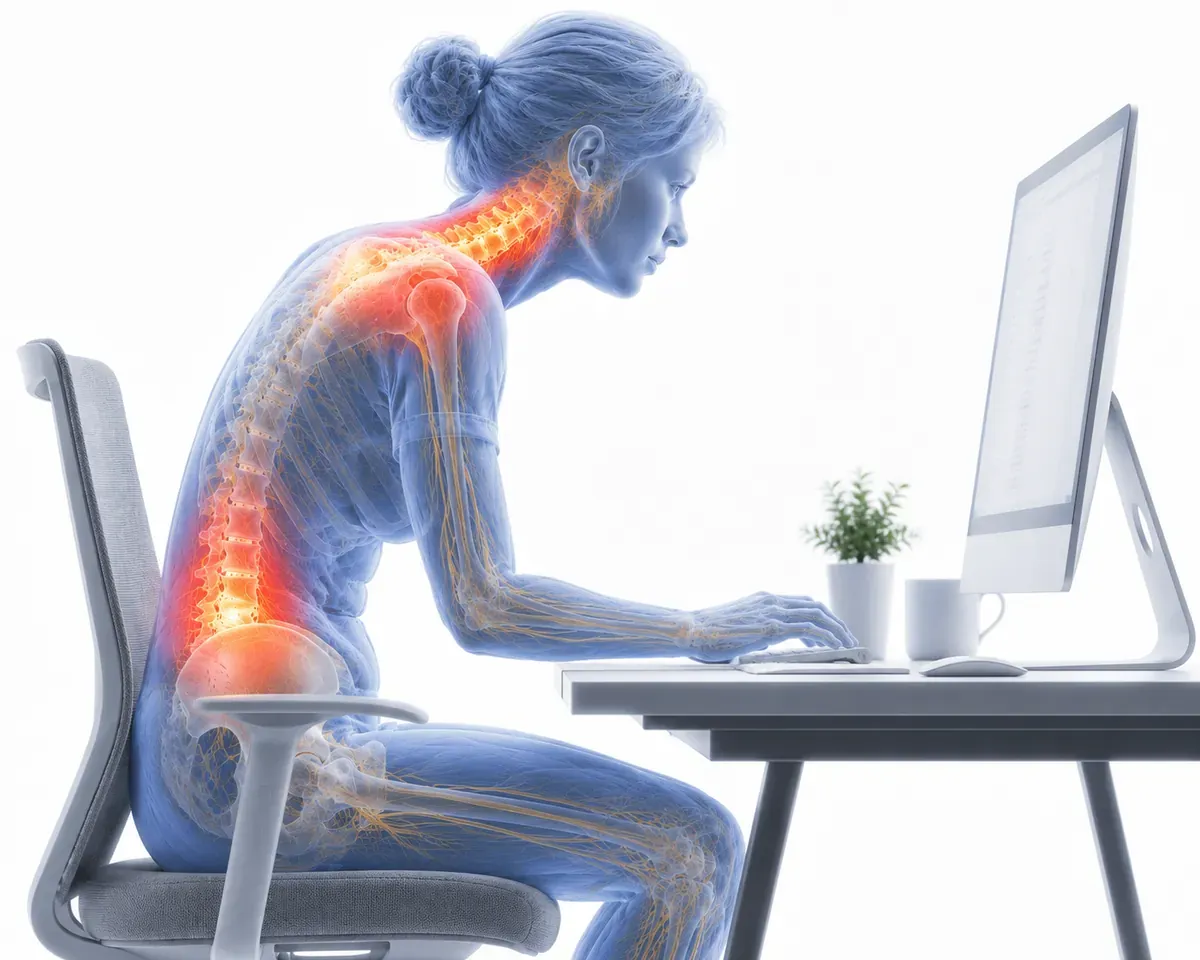
Shoulder and overhead function. The shoulder doesn’t lift the arm in isolation; it lifts via a chain anchored at the trunk. Weak trunk stability shows up as shoulder fatigue, neck tightness, and the “I can lift weights but my body feels off” pattern.
It also matters for ageing. Older adults with maintained core function have substantially lower fall risk and better functional independence. This isn’t optional for healthy ageing; it’s a load-bearing piece.
Why six-pack workouts often miss the point
The classic crunches-and-sit-ups programme works the rectus abdominis (the “six-pack” muscle) hard. That’s not bad, but it’s narrow.
What it misses:
- Deep stabilisers don’t activate well during high-effort dynamic movements like crunches. They prefer lower-effort sustained patterns.
- Rotation and anti-rotation work is rare in classic ab routines.
- Anti-extension (resisting being pulled into a back-arched position) gets some attention; anti-flexion (resisting being pulled forward) gets less.
- Anti-lateral-flexion (resisting being pulled to one side) is often missing entirely.
- Coordination with breathing is rarely trained.
A complete core programme covers all four planes of resistance (flexion, extension, lateral, rotation) and trains the deep stabilisers alongside the larger movers.
The maintenance programme
This is a sensible default for someone who isn’t injured, doesn’t have a specific sport demand, and just wants to maintain functional core strength. 10-15 minutes, 2-3 times a week.
Phase 1: deep stabiliser activation (5 minutes, every session)
Two exercises to wake up the deep system:
-
Diaphragmatic breathing: lying on back, knees bent. Place one hand on chest, one on belly. Breathe so the belly rises first, then the chest. 10 slow breaths. The deep system co-activates with diaphragmatic breath.
-
Dead bug: lying on back, arms extended toward ceiling, knees bent at 90 degrees. Slowly lower one arm overhead while extending the opposite leg. Return slowly. 8 each side, 2 sets. Keep the lower back neutral throughout.
Phase 2: larger-movement work (rotate through across sessions)
Pick 2-3 of these per session:
-
Plank (front): hold a strong plank position (forearms or hands, body in a straight line). Start at 30 seconds; build to 60 seconds. Quality over duration.
-
Side plank: on one elbow, body in a straight line, top arm reaching to ceiling. 20-30 seconds each side; build over weeks.
-
Bird dog: on hands and knees, slowly extend opposite arm and leg. Hold 3 seconds. 8 each side, 2 sets.
-
Pallof press: standing sideways to a cable or band anchor at chest height. Pull the cable to the centre of your chest, then press straight out, resisting the cable’s pull to rotate you. 10 each side. Anti-rotation work.
-
Suitcase carry: hold a heavy weight in one hand; walk 30-60 seconds. Switch hands. Anti-lateral-flexion work.
Phase 3: integrated / functional (optional)
For those who want to take it further:
-
Loaded carries with breathing (kettlebell or weight in goblet position): walk while breathing diaphragmatically.
-
Turkish get-ups: a complex movement integrating shoulder stability, trunk control, hip mobility. Best learned with a coach.
-
Heavy compound lifts done well: squats, deadlifts, overhead press. The trunk works hard during these; for many people this is sufficient core work without dedicated programming.
How to know it’s working
You’ll notice (over weeks, not days):
- Tasks that previously felt awkward feel more controlled (lifting, twisting, reaching).
- Less day-to-day back, hip, or shoulder fatigue.
- Better recovery from longer or heavier days.
- Less of the “my body feels old today” pattern.
You won’t necessarily notice:
- A six-pack. That’s about body composition, not core strength.
- Big visible changes in your waist size.
- Any single exercise getting suddenly easier; gains spread across many movements.
When to seek clinical input
A good general-population programme is fine for healthy people without an active issue. Worth a clinical assessment if:
- You have ongoing back, hip, or shoulder pain that hasn’t responded to a generic programme.
- You’re returning from injury and aren’t sure what’s safe.
- You’ve had a specific event (pregnancy, abdominal surgery, hernia repair) that changes the picture.
- You’re an older adult and want a programme tailored to fall prevention rather than fitness.
- You’ve tried programmes off the internet and feel like things aren’t connecting.
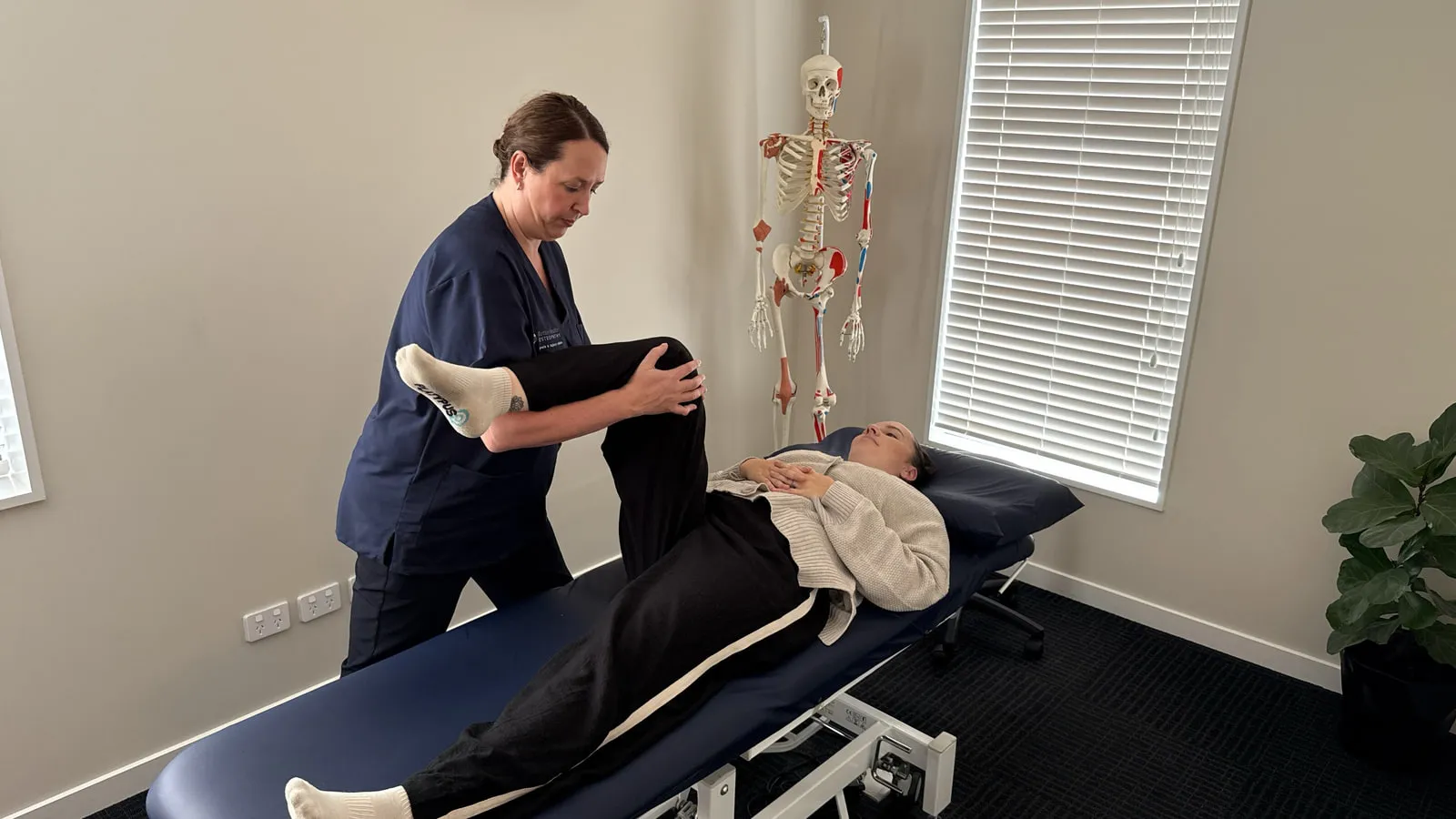
An osteopathic assessment looks at how your core is actually working under load (not just whether you can hold a plank), identifies what’s underactive or overactive, and tailors a programme to your specific picture.
Booking with us
If you’d like a tailored core-strength programme that addresses where your specific weaknesses are, book online or call us on 0800 67 77 00.
Related reading
- Understanding back pain for how core function relates to back pain specifically.
- Back pain: causes, exercises, and treatments for a broader rehab progression.