
If you’re a parent of a school-age child or teenager, the chances are bone health isn’t on your weekly mental list. Vegetables, sleep, screen limits, sport, friends, mental health, school. There’s plenty competing for the parental headspace. But the 8-to-18 window is when most lifetime bone mass is laid down, and the choices made in those years measurably shape adult bone health, fracture risk later in life, and overall musculoskeletal resilience.
This article is a practical, evidence-based guide. Not alarmist; not preachy. Just what’s worth knowing, and what’s worth doing.
Why this window matters
By age 18, around 90% of adult bone mass is already in place. By the mid-20s, the remaining 10% is typically completed, and after that, bone mass slowly declines through adulthood. The size of someone’s “peak bone mass” (the maximum they reach in their 20s) is the single biggest determinant of their later fracture risk.
In other words: you can’t catch up later. You can maintain in adulthood, but you can’t add meaningful new bone mass after the late 20s.
The corollary: the choices made in childhood and teenage years aren’t just about fitness or growth. They’re about setting the lifelong baseline.
The good news: the things that build strong bones in kids are mostly the same things that contribute to a generally healthy childhood. There’s no special programme required. There’s just a few specific things worth knowing.
What builds strong bones
Bones respond to the demands placed on them. The biggest contributors to peak bone mass:
1. Weight-bearing physical activity. Specifically activities that load the skeleton in varied directions. Running, jumping, climbing, gymnastics, ball sports, dance. Swimming and cycling are great cardiovascular exercise but don’t load the bones in the same way because the body weight isn’t being dropped onto the limbs against gravity.
The evidence here is strong: kids and teens who participate in regular weight-bearing activity (3-5 hours per week is a useful threshold) have measurably higher bone density and reduced lifetime fracture risk.
2. Adequate calcium intake. The raw material for bone. The recommended intake for NZ kids and teens:
- Ages 4-8: ~700mg/day
- Ages 9-13: ~1,300mg/day
- Ages 14-18: ~1,300mg/day
Sources: dairy (a glass of milk has ~300mg, a small yoghurt ~150mg), fortified plant milks, leafy greens, sardines or salmon (with bones), tahini, almonds. Most kids on a varied diet hit these numbers without effort. Kids who avoid dairy without alternative calcium sources often don’t.
3. Vitamin D. Required to absorb calcium. Mostly made by the skin in response to sunlight, supplemented by some food sources (oily fish, eggs, fortified products).
In New Zealand, vitamin D status varies by latitude, season, and skin type. Most kids who play outside daily in the warmer half of the year are fine. Kids who stay mostly indoors, or who have darker skin in southern NZ winters, may need more attention here. A blood test is the only reliable way to know.
4. Adequate protein. Bones are roughly 30% protein (mostly collagen). Kids and teens need substantially more protein per body weight than adults. A varied diet usually covers this.
5. Adequate energy intake (calories). Sounds basic, but matters: under-fuelled growing bodies don’t build bone well. This is particularly important to flag for athlete teens (especially in sports with weight aesthetics) and teens with disordered eating patterns.
6. Sleep. Most growth hormone release happens during deep sleep. Chronically short or disrupted sleep affects skeletal growth.
What hinders bone development
Equally worth knowing:
Sedentary lifestyle. Long sustained sitting (gaming, scrolling, low-active screen time) at the expense of weight-bearing movement is the single biggest modifiable factor working against modern kids’ bone health. The threshold isn’t “no screen time”; it’s “enough movement to balance the screen time”.
Carbonated soft drinks (especially cola). Some studies link heavy consumption with reduced bone mass in girls. The mechanism isn’t fully clear (possibly displacement of calcium-containing drinks; possibly the phosphoric acid in colas; possibly multi-factor). Either way, sugar drinks aren’t a regular drink for growing bones.
Smoking and vaping. Affect bone metabolism. Worth noting now that vaping has become common in teen circles.
Chronic under-eating, restrictive diets, or eating disorders. Materially affect bone density. The adolescent female athletic triad (low energy availability, menstrual disturbance, low bone density) is well-documented. Worth being alert to.
Some long-term medications. Certain corticosteroids, some antiepileptics, some treatments. If your child is on long-term medication, ask about bone health implications at their medical reviews.
Untreated coeliac disease, inflammatory bowel disease, or absorption issues. Affect calcium and vitamin D absorption. Usually have other symptoms that get attention before bone problems show up.
Signs worth getting checked
Most kids’ bones are fine and need no clinical attention. A few signals are worth flagging to a GP or osteopath:
- Recurring stress fractures in a teenage athlete (especially in different bones over months). Suggests an underlying issue with energy availability, hormones, or a contributory training pattern.
- Multiple fractures from low-impact events (falling from standing height, minor sport collisions). Most kids fracture occasionally; a pattern of fractures from minor events is unusual.
- Significant growth-related pain (specifically growth-plate-region pain like Osgood-Schlatter, Sever’s disease, or shin splints): not necessarily bone-density issues, but worth assessing for the load patterns and contributors. The growing pains article covers this in more depth.
- Persistent back pain in a young teen athlete, especially with forward-bending or extension. Worth ruling out spondylolysis (a stress fracture in the spine common in young athletes in extension-loaded sports).
- Significant changes in posture or alignment in growing teens (spinal curves, leg length differences). Usually not a bone-density issue but worth assessing for what’s contributing.
What Osteopathy can and can’t help with
Bone density itself is a metabolic/nutritional/loading story. Osteopathy doesn’t directly increase bone density.
What Osteopathy can help with in the bone-health context:
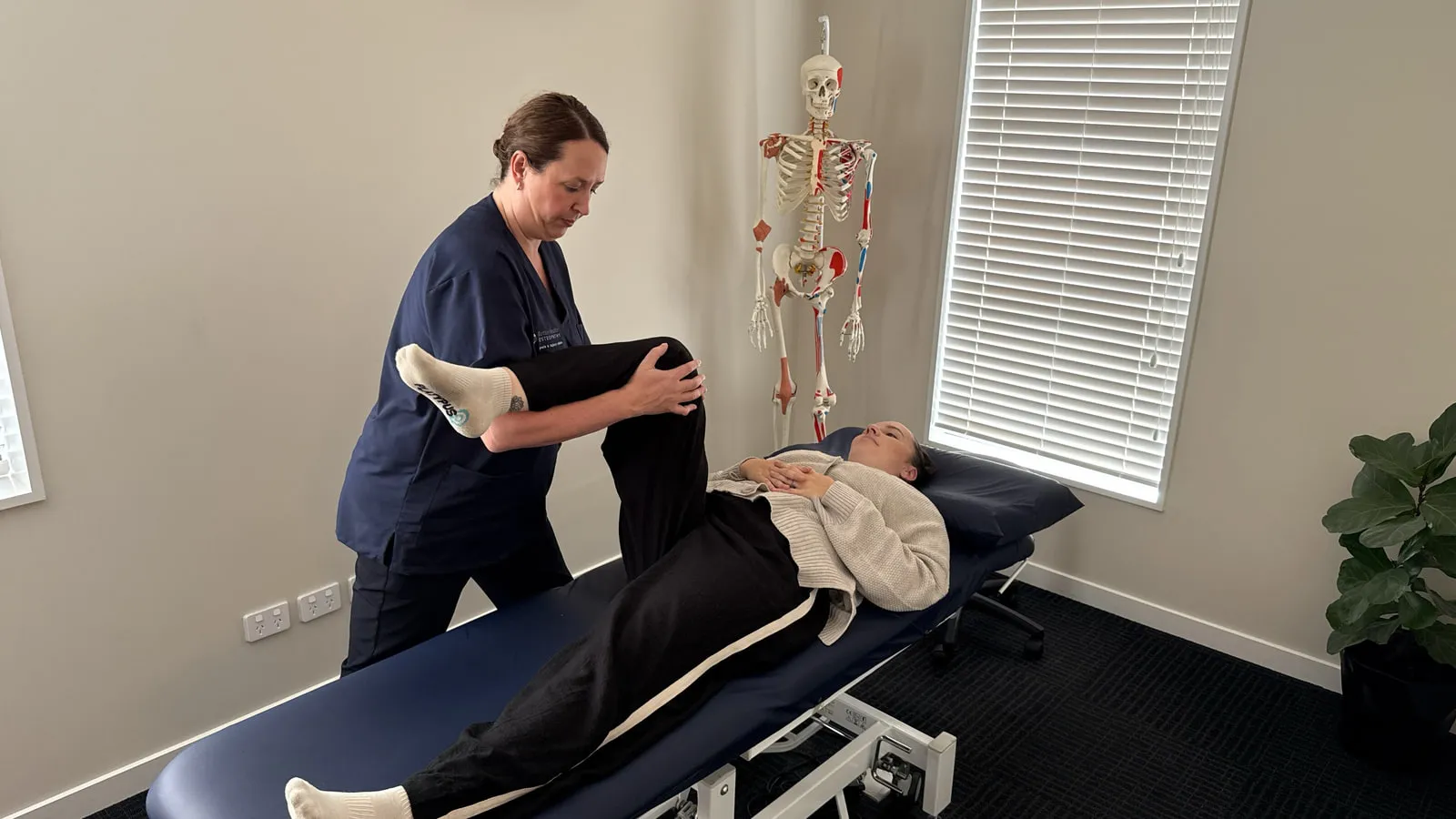
- Assessment of growing-related pain and its contributors. The Osgood-Schlatter, Sever’s, shin splints kind of pain in active kids: typically responds well to a combination of hands-on work, load management, and rehab.
- Recovery from sports injuries in growing kids and teens. The recovery process is different in growing bones; appropriate guidance matters.
- Assessment of posture, alignment, and movement patterns that may be contributing to load issues in growing bodies.
- Education and coordination with GPs, paediatricians, sports physicians where the case crosses into nutrition, hormones, or specialised care.
For the specific question of whether your child needs supplements, what their vitamin D level is, or whether they have any underlying metabolic issue, your GP or a paediatrician is the right call. We can flag concerns and refer; we don’t diagnose those.
Practical takeaways
If you want a short list:
- Daily weight-bearing physical activity: aim for at least an hour of running/jumping/climbing/sport per day across the week.
- Daily calcium-rich foods: 2-3 servings, more for teens. Dairy or equivalent.
- Outdoor time most days: vitamin D + activity together.
- Limit sugary fizzy drinks: water, milk, or unsweetened drinks as default.
- Adequate sleep: 9-11 hours for kids 6-13; 8-10 for teens 14-17.
- Protein with most meals.
- Watch for the warning signs above (stress fractures, persistent back pain, changes in eating patterns) and flag early.
That’s most of the bone-health picture for kids. It’s not complicated; it just needs to actually happen.
Booking with us
If your child has growing-related pain, a recent injury, or you’re noticing changes in posture or movement, book online or call us on 0800 67 77 00. We see kids and teens at our Fendalton clinic. For specific bone-density or nutritional concerns, your GP is usually the right first call; we can coordinate with them where useful.
Related reading
- Growing pains in children for the specific paediatric pain pattern.
- Care for children and teens for the broader cohort page.