
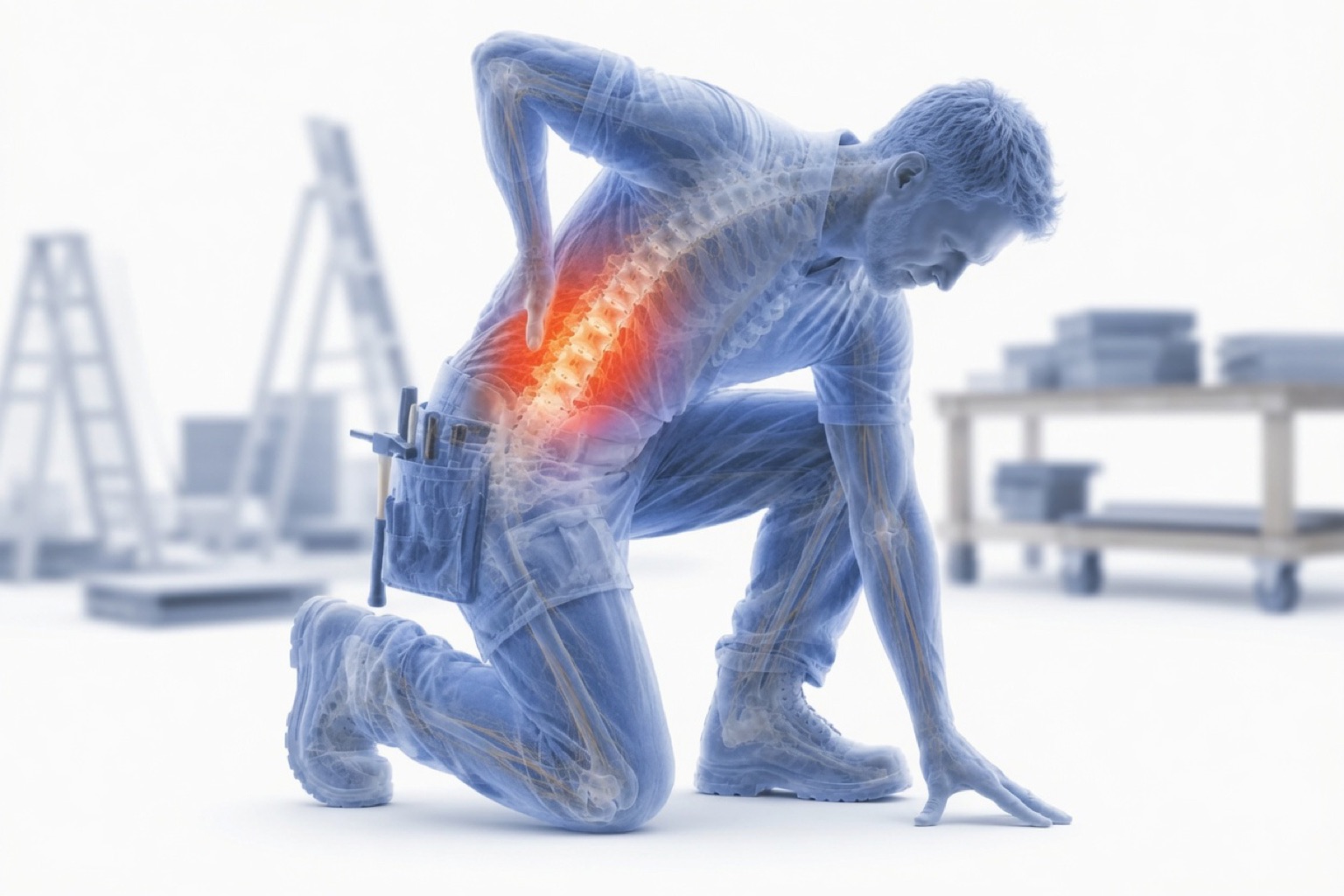
Living with chronic back pain can wear you down over time. The constant background ache can make working, sleeping through the night, lifting the kids and staying active feel like a daily struggle. Before long, you may find yourself planning your life around your back instead of the things you enjoy.
Many of the people we see have already tried exercises, massage, medication or physiotherapy. Some have been told it’s simply wear and tear. Others have stopped walking, gardening or playing sport because they’re worried they’ll make their back worse. After a while, it’s easy to start wondering if this is just how life is going to be.
It doesn’t have to stay that way. We regularly see people who have been living with back pain for months or even years make significant improvements once we understand what’s contributing to their pain and match them with the right treatment and rehabilitation.
If that sounds familiar, it’s natural to want to understand what’s really causing your pain and whether there’s a non-surgical way to help you move forward. For the broader picture see our back pain page; this guide is also part of our spinal decompression overview.
- Back pain is considered chronic when it lasts longer than about three months. By then, it's often caused by several factors working together rather than one single injury.
- Spinal decompression can help reduce pressure on irritated discs and joints, easing pain and making movement more comfortable for some people. It works best alongside rehabilitation.
- Chronic back pain usually improves most when treatment reduces pain, restores movement and rebuilds strength and confidence.
- The only way to know whether spinal decompression is right for you is through a thorough assessment. If it's likely to help, we'll explain why. If another treatment is more appropriate, we'll tell you that too.
Chronic back pain has a familiar pattern. You might recognise some of these:
Signs your back pain has become chronic
- Pain that has lasted longer than three months, or keeps coming back
- A deep, nagging ache in the lower back that's worse after sitting or standing too long
- Stiffness first thing in the morning, or after resting
- Good days and bad days, with flare-ups that feel unpredictable
- Cutting back on sport, exercise or playing with your children because of ongoing back pain
What makes back pain chronic
Most back pain settles within a few weeks. When it lasts longer than about three months, it’s called chronic back pain. By then, it’s often no longer just the original injury causing the problem.
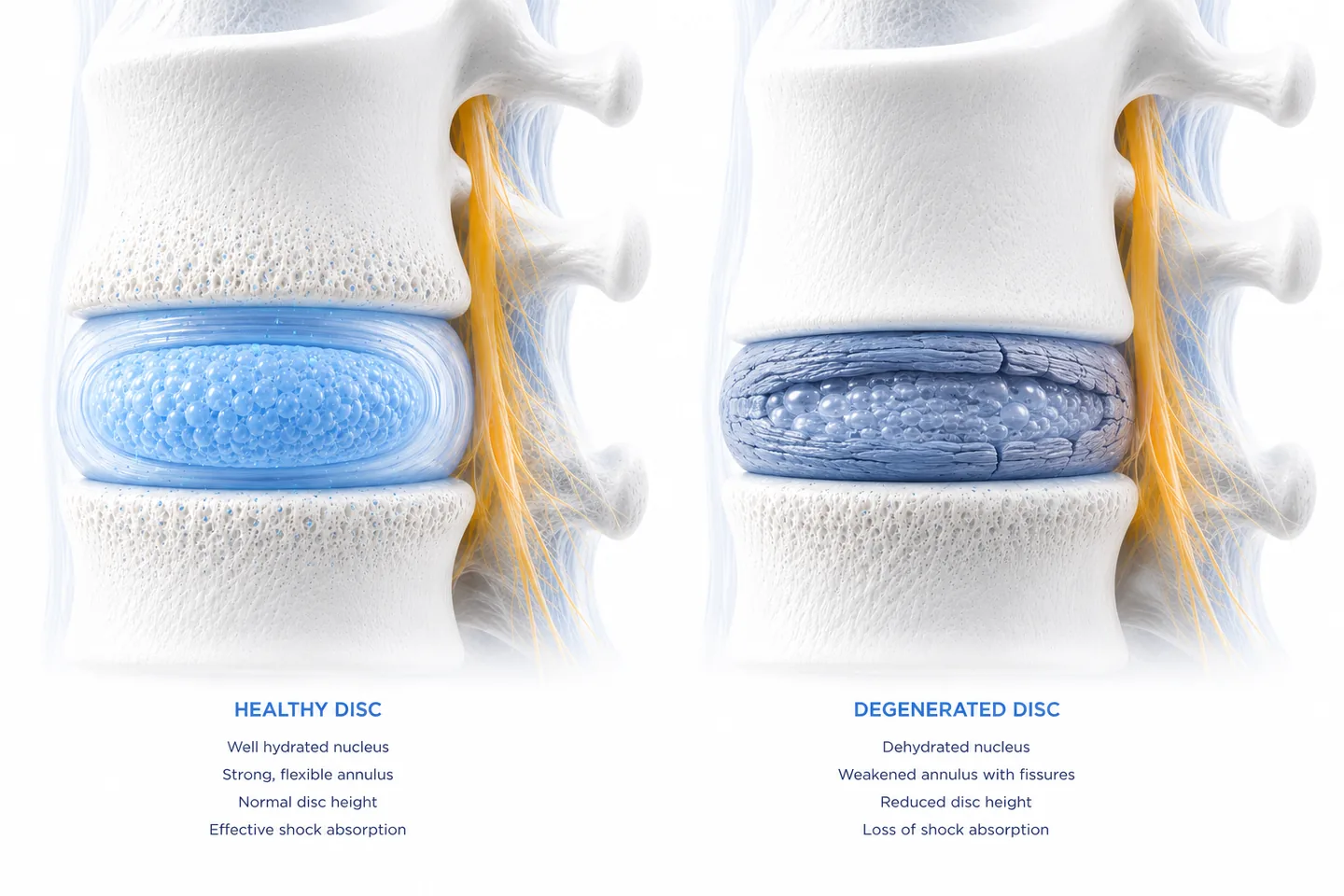
Over time, several factors can contribute to ongoing pain. A disc or joint in the lower back may still be irritated, and because you’ve been moving differently for so long, the muscles that support your spine may have become weaker and stiffer. Your nervous system can also become more sensitive, making everyday movements feel more painful than they should.
The encouraging news is that many of these factors can be improved. By reducing irritation, restoring movement and rebuilding strength, many people are able to move more comfortably and get back to the activities they’ve been missing.
Who it may help
Spinal decompression may help people with long-standing lower back pain that’s coming from an irritated disc or joints in the lower back. It can be suitable for adults of all ages, from people in their twenties with a disc injury to older adults with age-related changes in the spine. The key isn’t your age, it’s what’s causing your pain. A thorough assessment helps determine whether you’re likely to benefit.
May suit
- Long-standing lower back pain
- Ongoing back pain caused by disc bulges or age-related changes in the spine
- Back pain that's worse with sitting, bending or lifting
- Symptoms that have lasted for several months without improving
- People looking for a non-surgical treatment option
May not suit
- Loss of bladder or bowel control, or numbness around the groin (medical emergency)
- Increasing or significant weakness in one or both legs
- A recent spinal fracture or severe osteoporosis
- An active infection or cancer affecting the spine
- Back pain that's likely to respond better to another treatment approach
These are general guides only. During your consultation we carefully screen for anything that makes decompression unsuitable, or that points to another treatment being a better fit.
Not sure what’s keeping your back pain going? A consultation is the fastest way to find out.
How decompression helps chronic back pain
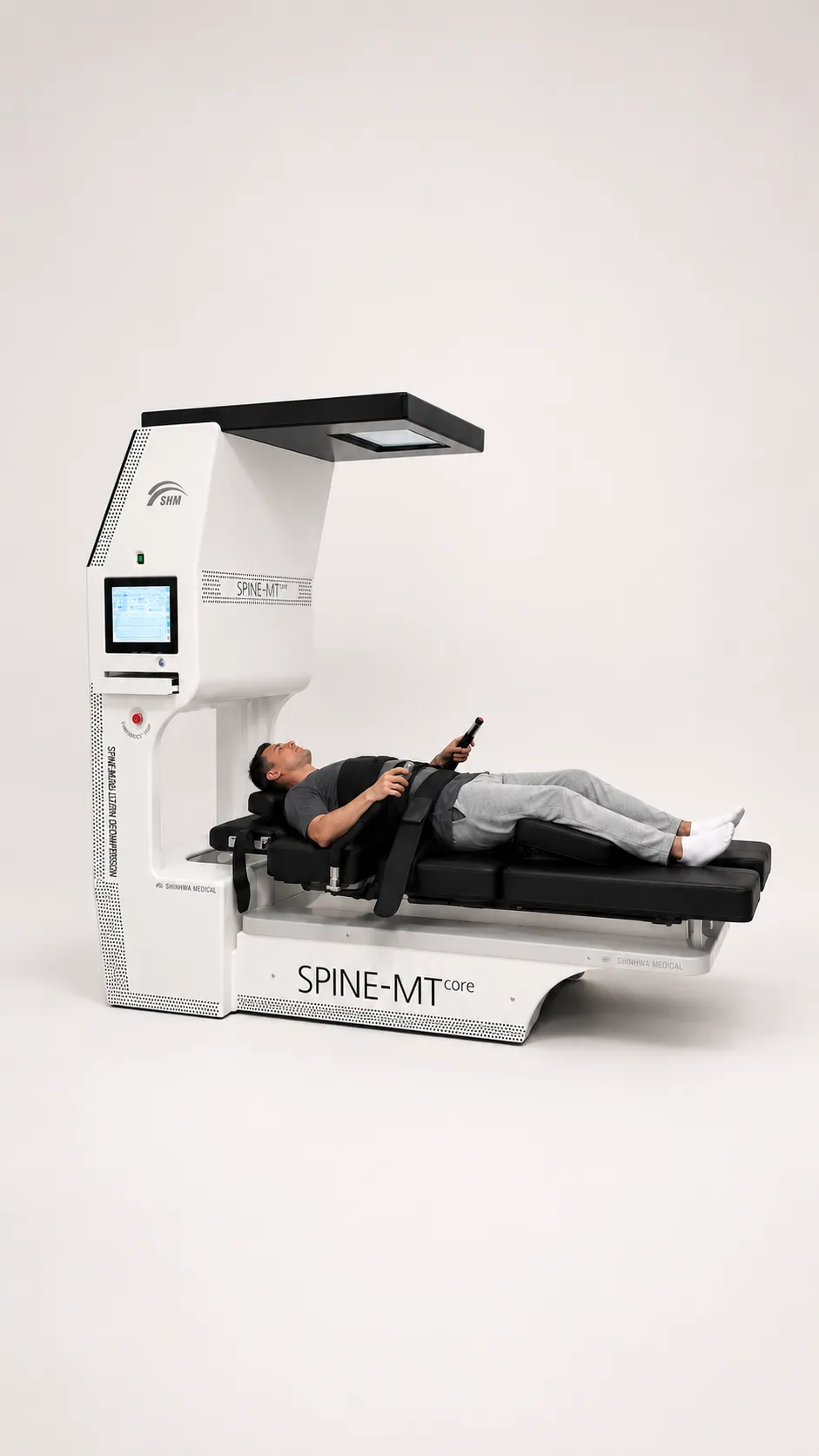
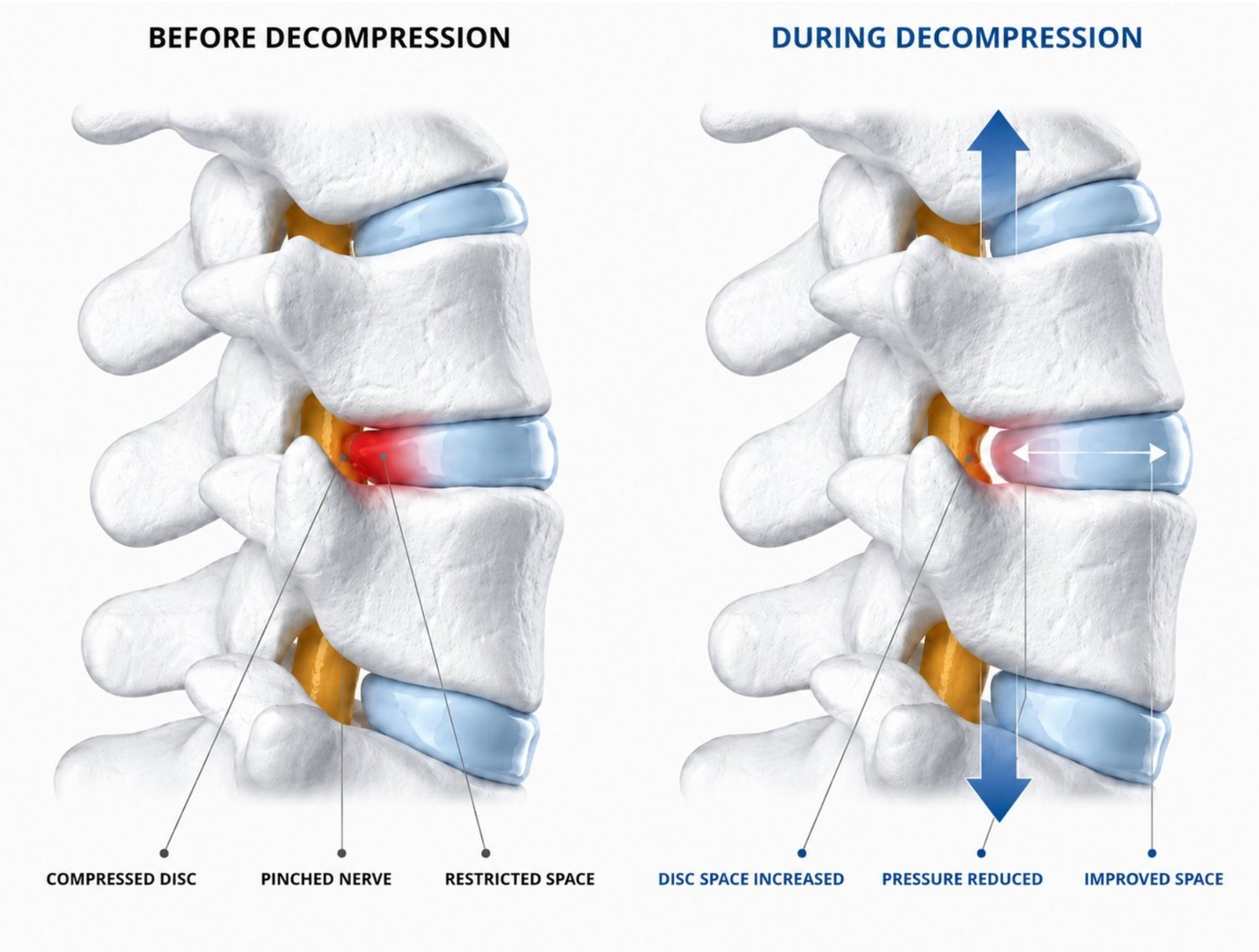
Spinal decompression gently reduces pressure through the lower spine, helping to ease stress on irritated discs, joints and the surrounding tissues. For many people, this helps reduce pain, improve movement and makes everyday activities more comfortable.
In people with persistent disc-related low back pain, adding non-surgical decompression to standard physiotherapy has been shown to improve pain, movement and function more than physiotherapy alone.1
Reducing pressure also creates a better environment for recovery. When the spine is under less stress, irritated tissues have a better opportunity to settle, and the spinal discs can more easily exchange the nutrients and fluid they need to stay healthy.
Spinal decompression works best as part of a treatment plan that includes rehabilitation. As your pain settles, we help rebuild strength, improve movement and reduce the chance of your symptoms returning.
How we decide
Assessment first, treatment second. Everyone begins with a comprehensive osteopathic assessment, so we understand what is actually keeping your back pain going before recommending anything. If decompression isn’t the right fit, we’ll point you towards the pathway that gives you the best chance of recovery.
Your pathway with us
-
Osteopathic consultation
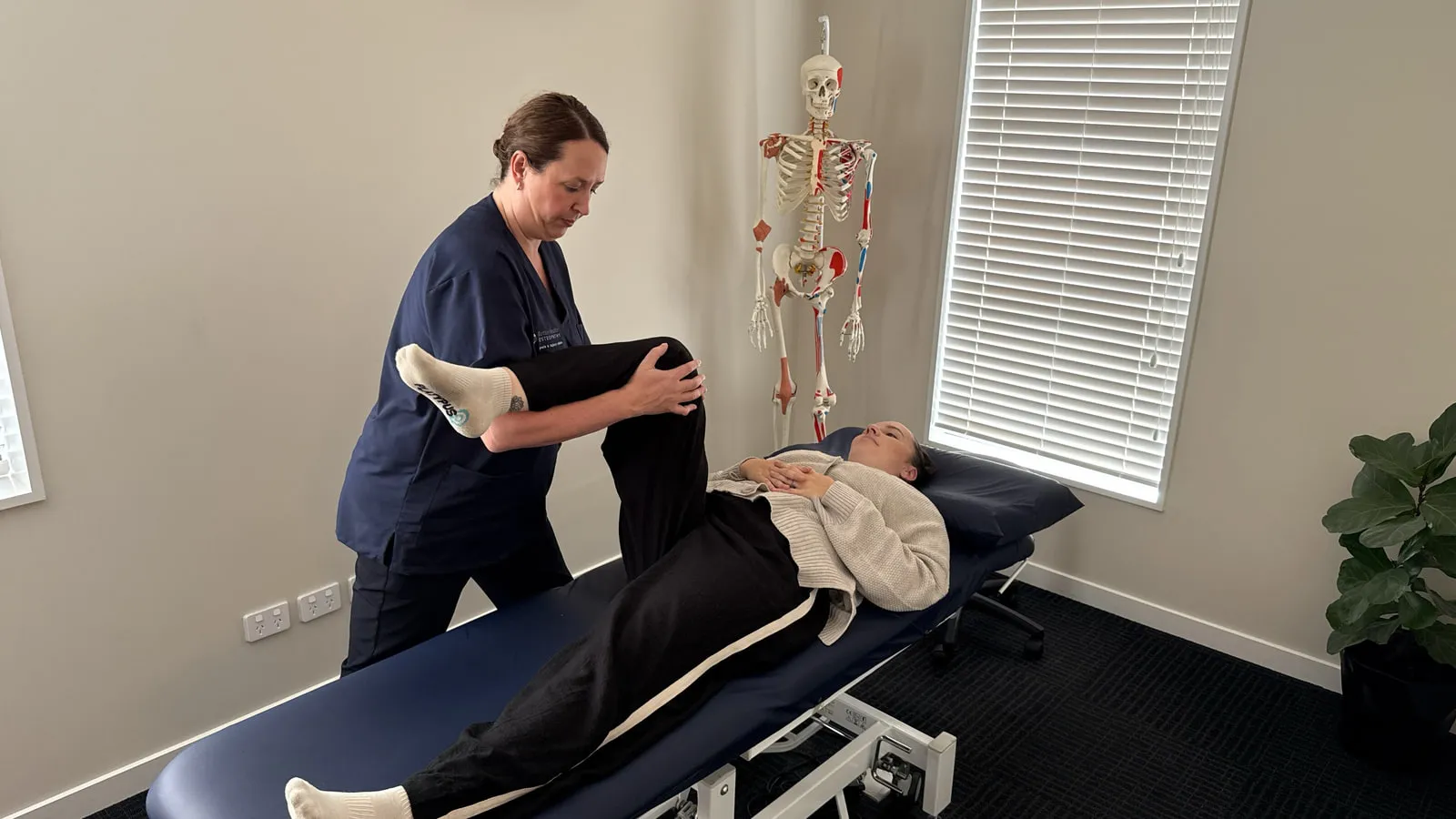
We take a detailed history, examine your spine, movement and strength, and screen for red flags, then tell you honestly what's driving your pain and whether decompression is likely to help.
-
Spinal decompression
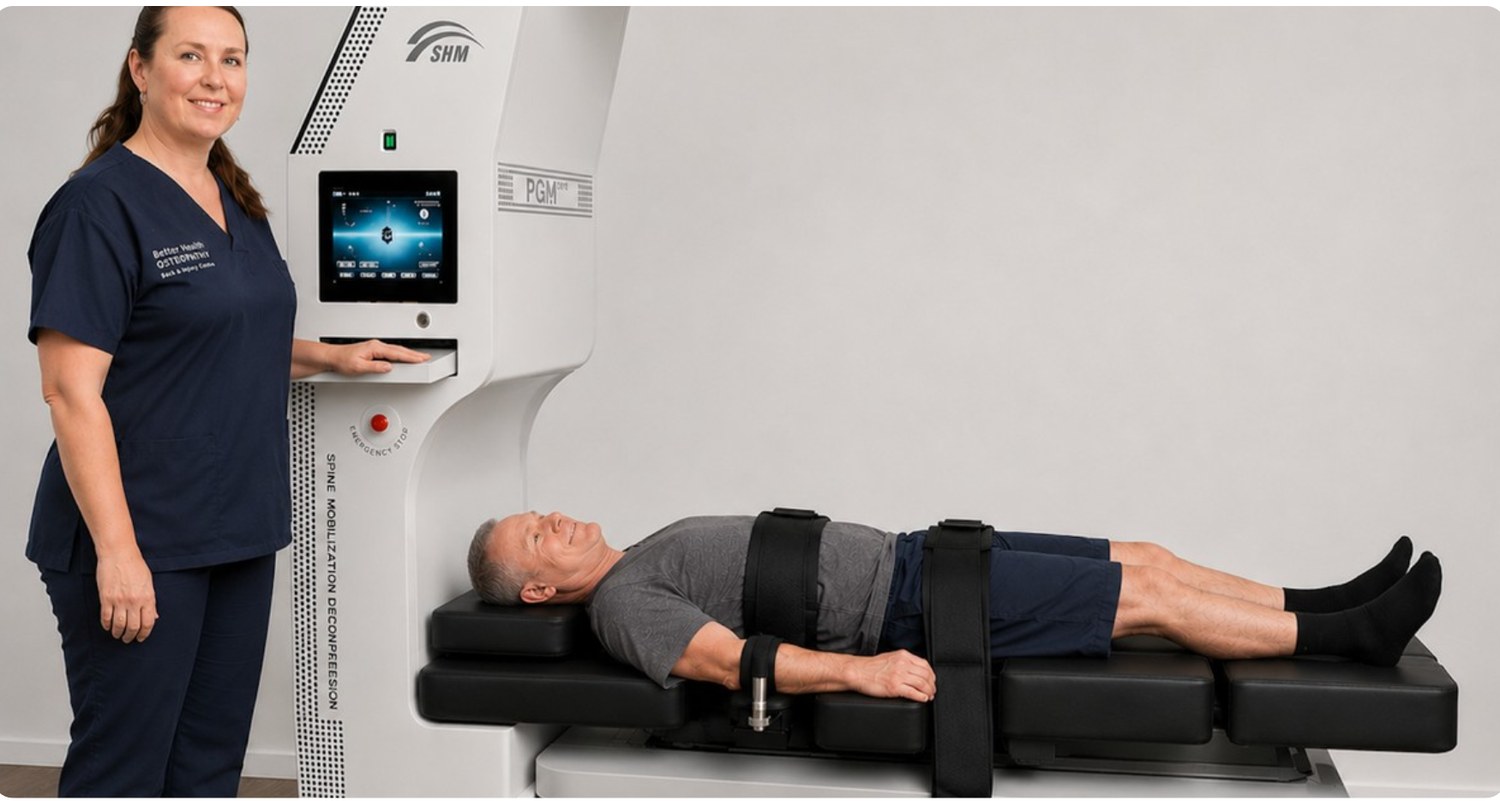
Where it's the right fit, gentle, computer-controlled sessions ease pressure off the affected disc or joint so the pain can settle enough to start rebuilding.
-
Rehabilitation
We rebuild the strength and control that chronic pain erodes. This is what keeps the problem from returning: essential, not an add-on.
When to seek urgent help
Frequently asked questions
Does spinal decompression work for chronic back pain?
For some people, yes. Where chronic pain is linked to pressure on a disc or joint, decompression may ease that pressure and reduce pain, as part of a plan that includes rehabilitation. It doesn't help everyone, and it isn't a cure, so it starts with an assessment to see whether it's likely to help you.
How many sessions before I notice a difference?
It varies. Some people notice a change within the first few weeks, others take longer, and some don't respond, in which case we change course. After your assessment, and only if decompression is appropriate, we'll set out a realistic plan with clear review points.
Can spinal decompression help degenerative disc disease?
It may help where worn or degenerative discs are causing persistent, pressure-related pain, by easing load on the affected level so it can settle. It doesn't reverse the degeneration itself, and whether it's suitable depends on your assessment and what's actually driving your symptoms.
Is spinal decompression safe?
For most people, yes. It's non-invasive and non-surgical, you stay fully clothed, and treatment is gently computer-controlled and monitored throughout. It's only recommended when it's considered safe and appropriate for you, which is why we screen carefully first.
Why won't my back pain go away?
Long-standing back pain is usually driven by more than one thing: disc or joint irritation, months of moving less, and a nervous system that has become more sensitive. Treating only one piece often isn't enough, which is why a proper assessment and a combined approach tend to work better than any single treatment.
Will my back pain come back after treatment?
It can, especially if the underlying causes aren't addressed. That's why rehabilitation matters. Rebuilding strength and changing how your spine is loaded lowers the chance of chronic back pain returning far more than passive treatment alone.
How much does spinal decompression cost?
The cost depends on your individual plan, since the number of sessions and whether decompression is combined with other treatment varies from person to person. We work this out at your assessment, once we understand what's driving your pain and whether decompression is likely to help.