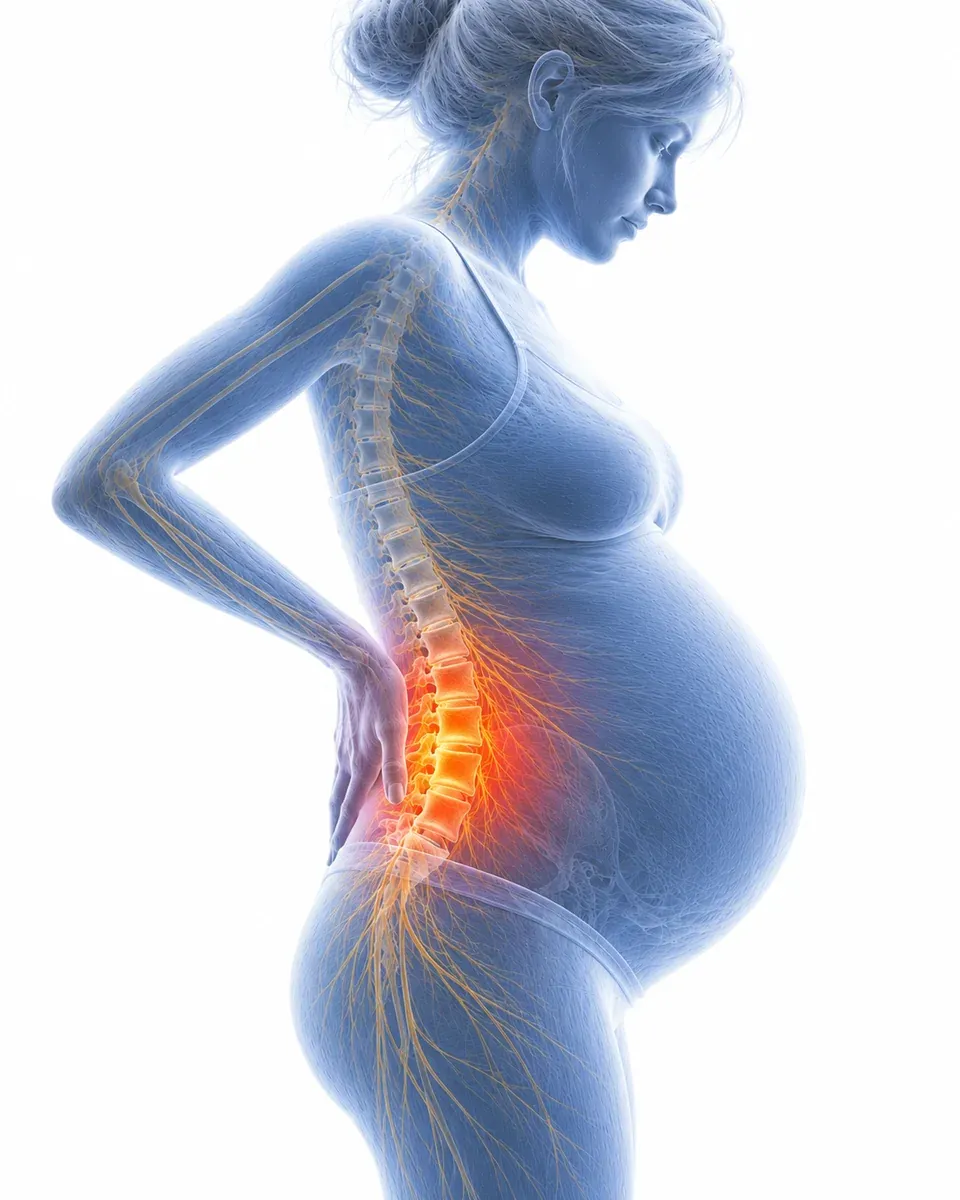

If you’re pregnant and dealing with back pain, you’re in good company. Between 50 and 70% of pregnant women experience meaningful back or pelvic pain at some point during pregnancy. For some it’s mild and intermittent; for others it’s a daily struggle that affects sleep, work, and the ability to enjoy the pregnancy.
This article is a practical guide. What’s actually causing it, what helps, what doesn’t, and when osteopathic care is the right call.
The short version
- Common, not “normal” in the sense of “must be tolerated”: many cases respond well to specific care.
- Multiple causes, often combined: hormonal ligament laxity, mechanical change, weight distribution, postural adaptation, pelvic floor and core changes.
- Osteopathy is well-suited to most pregnancy-related back pain. Pelvic girdle pain especially.
- Some warning signs warrant medical attention rather than Osteopathy. See below.
- Usually improves substantially after birth, but can persist if not addressed.
Why pregnancy-related back pain happens
Three main contributing factors, almost always combined:
1. Hormonal ligament laxity. Relaxin and other pregnancy hormones loosen ligaments throughout the body to prepare for delivery. The pelvis becomes more mobile, which is necessary for birth but reduces the normal mechanical support. Joints can move in ways they don’t usually move, and the muscles have to work harder to compensate.
2. Mechanical change. Growing uterus shifts the centre of gravity forward. The lumbar spine compensates by curving more (increased lordosis). The pelvis tilts forward. Posture changes, often without conscious awareness. The combination puts new patterns of load on the back.
3. Pelvic floor and core function changes. As the abdominal wall stretches, the deep core (transversus abdominis, multifidus, pelvic floor, diaphragm) loses some of its normal coordinated stabilising function. The back has less inner-cylinder support and has to work differently.
Other contributors (less universal but common):
- Previous back issues that are flaring under the new load.
- Sleep position changes; harder to find comfortable sleep positions in mid-late pregnancy.
- Reduced activity as pregnancy progresses, leading to deconditioning that compounds the load issues.
- Stress and sleep disruption which affect pain sensitivity in pregnancy as in any other context.
Different patterns
Pregnancy-related back pain isn’t one single thing. The main patterns:
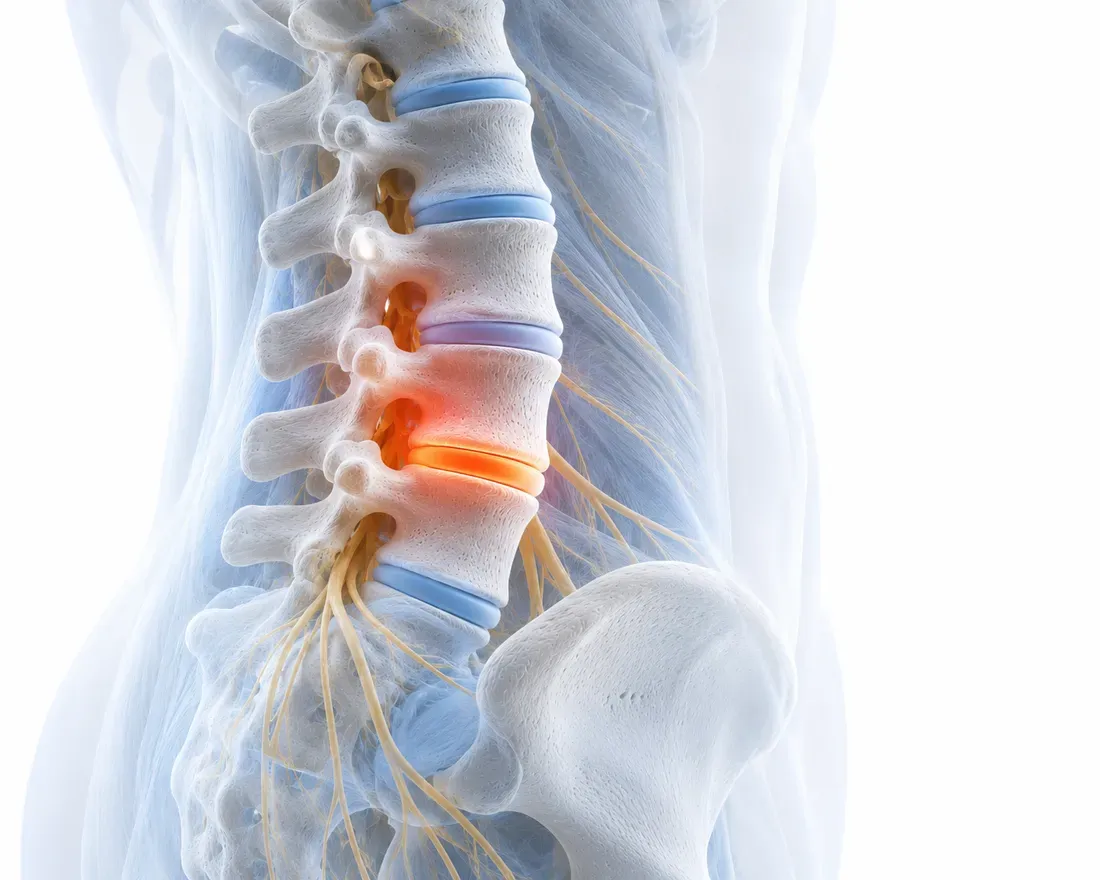
Lumbar (low back) pain. Pain in the lower back area, often worse with prolonged standing, walking, or after a long day. Mechanical pattern: better with rest, worse with activity. The most common pattern.
Pelvic girdle pain. Pain in the SI joints (back of pelvis, either side), the pubic symphysis (front of pelvis), or the sit bones. Often worse with weight-bearing transitions: rolling in bed, getting in and out of cars, climbing stairs, putting one leg into pants. More disabling than lumbar pain typically, and often very responsive to specific treatment.
Combined pattern. Many women have a mix of both.
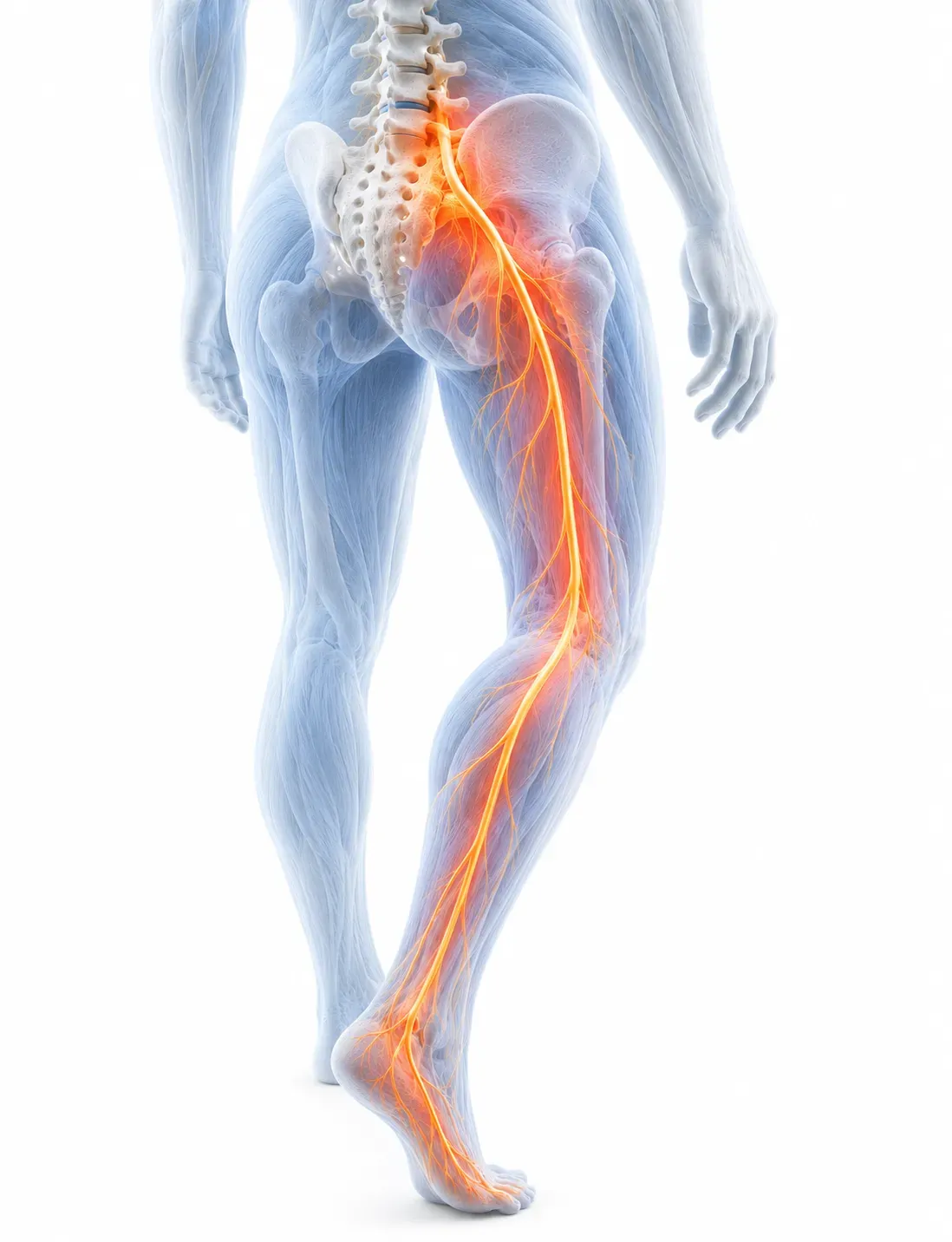
Sciatica-pattern pain. Pain that radiates from the back down the leg, usually below the knee. Less common than lumbar/pelvic pain but does occur. The sciatica article covers this in more depth.
A clinical assessment separates these and shapes the treatment.
What helps
The interventions with the strongest evidence for pregnancy back pain:
1. Specific exercise and movement. General activity (walking, swimming, pregnancy yoga) helps most cases. Specific targeted exercises addressing the deep core and pelvic stability often work better than general activity alone. A physio or osteopath can prescribe a programme that’s safe and matched to your stage of pregnancy.
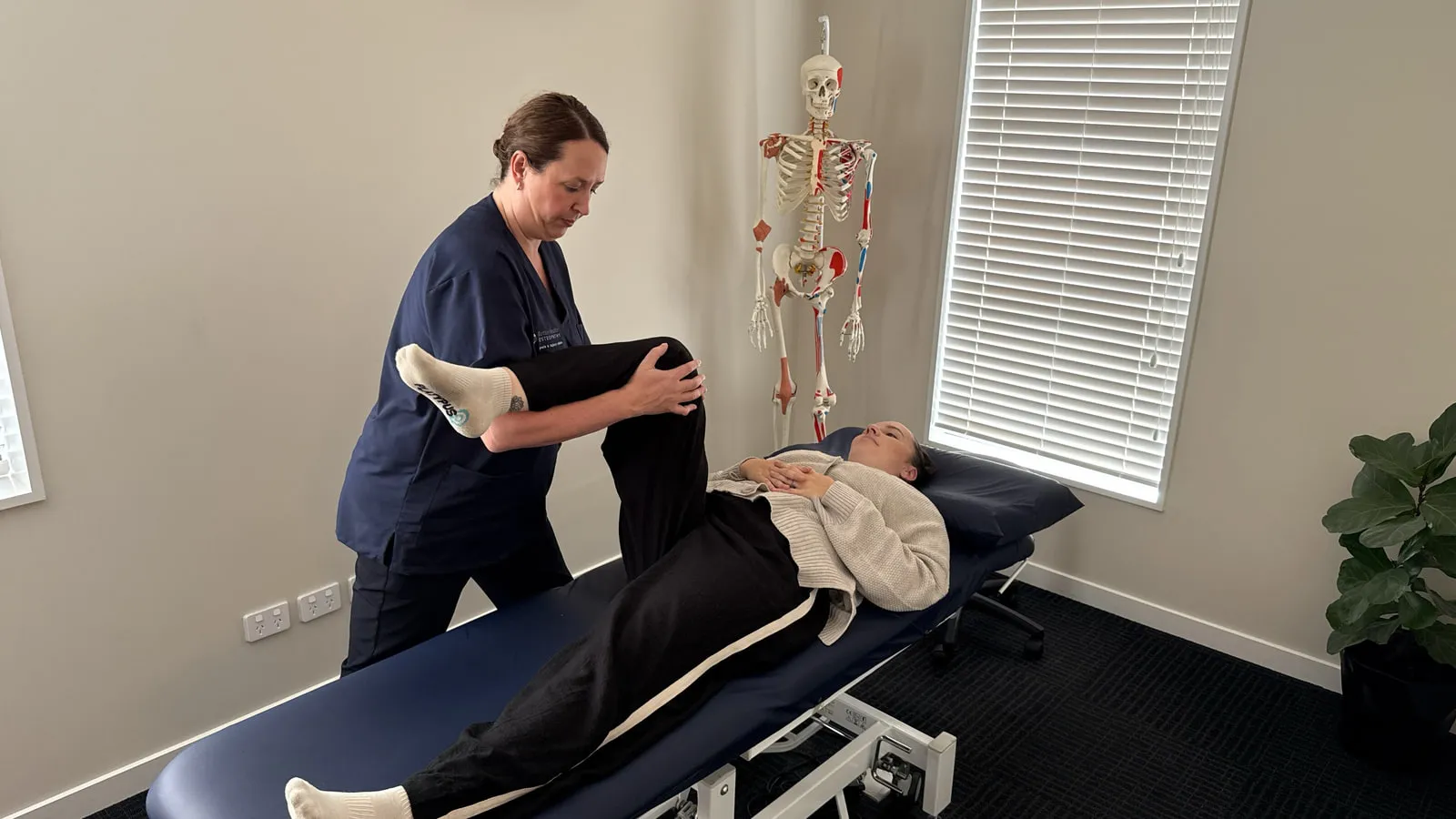
2. Hands-on care (Osteopathy or physio). Manual therapy targeting the pelvis, low back, and surrounding tissues. Particularly effective for pelvic girdle pain. Most patients notice meaningful improvement within 2-4 sessions.
3. Postural and ergonomic adjustments. Sleep position (side-sleeping with a pillow between knees and supporting the bump), workstation setup, sitting posture during long periods, lifting technique with growing belly. Small adjustments compound.
4. Pelvic support belts. Specific pregnancy support belts (worn during the day for activity, not all the time) can reduce pelvic girdle pain significantly in some cases.
5. Heat for muscle tension. A warm bath (no hotter than typical body temperature; avoid hot tubs and saunas in pregnancy), or a heat pack on tense areas. Useful symptomatic relief.
6. Strength and conditioning before pregnancy. Best done in advance, but worth mentioning: women with pre-pregnancy strength foundations have substantially less pregnancy back pain on average. Relevant for second pregnancies and beyond.
What doesn’t help (or is questionable)
- Bed rest: rarely the answer; usually compounds deconditioning and stiffness without helping pain.
- Most pregnancy-safe pain medications as a primary strategy: paracetamol is generally pregnancy-safe and useful for symptomatic relief but doesn’t address cause; many other anti-inflammatories are NOT pregnancy-safe (especially in the third trimester). Always check with your midwife, GP, or pharmacist.
- Generic stretching alone: can help short-term but rarely changes the trajectory of pelvic girdle pain.
- Waiting for it to get better: many cases progressively worsen through pregnancy without intervention. Earlier care usually means a better trajectory.
What to watch for (warning signs)
Most pregnancy back pain is mechanical and responds to standard care. Some patterns warrant urgent medical assessment, not Osteopathy first:
- Severe pain not responding to position change: persistent pain that doesn’t ease in any position.
- Pain accompanied by vaginal bleeding, fluid leak, or contractions: pregnancy-related complications.
- Severe leg weakness or numbness, or saddle-area numbness: rare but suggests nerve compression that needs urgent attention.
- Loss of bladder or bowel control: urgent medical attention needed.
- Fever with back pain: rules out infection (rare but serious).
- Pain that’s primarily in the upper back and accompanied by chest pain, shortness of breath, or swelling: rule out other pregnancy complications.
If any of these apply, contact your midwife, GP, or hospital first, not your osteopath.
When to bring in osteopathic care
Worth booking in if:
- You’re in the second trimester onwards with persistent back or pelvic pain.
- You have pelvic girdle pain (the SI/pubic/groin pattern described above).
- Standard advice (warmth, gentle movement, rest) hasn’t been sufficient.
- The pain is affecting sleep, daily activities, or work.
- You’re heading into late pregnancy and want to be in good shape for delivery and recovery.
- You had back pain in a previous pregnancy and want to address it earlier this time.
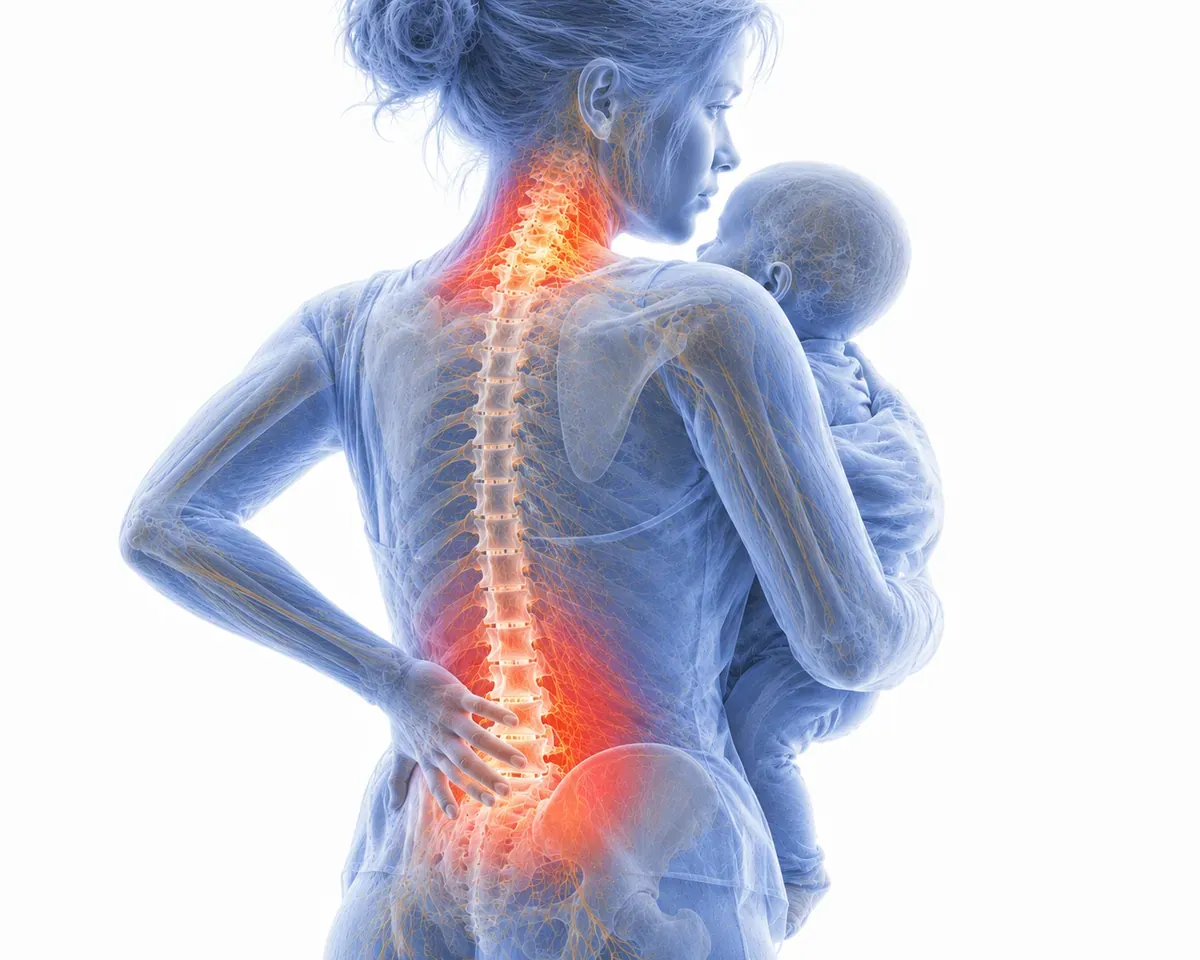
- You’re postpartum with persisting pain that didn’t fully resolve.
Osteopathic treatment in pregnancy is safe, well-tolerated, and effective for most pregnancy-related back pain. Practitioners modify their techniques and positioning to suit pregnancy (using side-lying or seated positions in later pregnancy rather than supine). Most patients respond well within 2-6 sessions.
What sessions look like in pregnancy
A few practical adjustments:
-
Positioning: in early pregnancy, all positions are usually fine. From mid-pregnancy onwards, lying flat on the back for prolonged periods isn’t ideal (vena cava compression), and lying flat on the front isn’t possible. Treatment is done in side-lying (with pillows for comfort), sitting, or with a pregnancy-modified table.
-
Technique selection: gentle techniques are preferred. High-velocity manipulation isn’t typically used in pregnancy.
-
Communication: more frequent check-ins about comfort. The aim is supportive, calm sessions.
-
Working with your midwife and obstetric care: we communicate with your other care providers as needed. Pregnancy is multi-disciplinary.
ACC and pregnancy back pain
Pregnancy-related back pain is generally not ACC-eligible, because pregnancy isn’t an injury in the ACC sense. There are specific exceptions: if back pain follows a clear injury event during pregnancy (a fall, a motor vehicle accident, a workplace incident), the injury overlay can fit ACC.
For typical gradual-onset pregnancy back pain, treatment is private. Some private health insurance policies cover Osteopathy partially.
Booking with us
If you’d like osteopathic care for pregnancy-related back or pelvic pain, book online or call us on 0800 67 77 00. We treat pregnancy patients at our Fendalton clinic, with practitioners experienced in pregnancy-modified techniques.
Related reading
- Pelvic floor dysfunction in pregnancy and childbirth for the pelvic floor side of the picture.
- Care for pregnancy for the broader pregnancy-care page.
- Sciatica explained if leg symptoms are part of your pattern.
- Understanding back pain for the broader back pain framework.