
New Zealand has some of the best skiing and snowboarding in the southern hemisphere, and Christchurch is a gateway to it. From day-trip skiers to season-pass enthusiasts to international visitors, the patient mix this time of year reflects the season. The injuries are predictable, the prevention strategies are evidence-based, and the recovery process is well-understood.
This article is a practical guide for NZ skiers and snowboarders: common injury patterns, pre-season preparation, on-season management, and post-season recovery.
The common injury patterns
Skiing and snowboarding produce different injury profiles:
Skiing (most common):
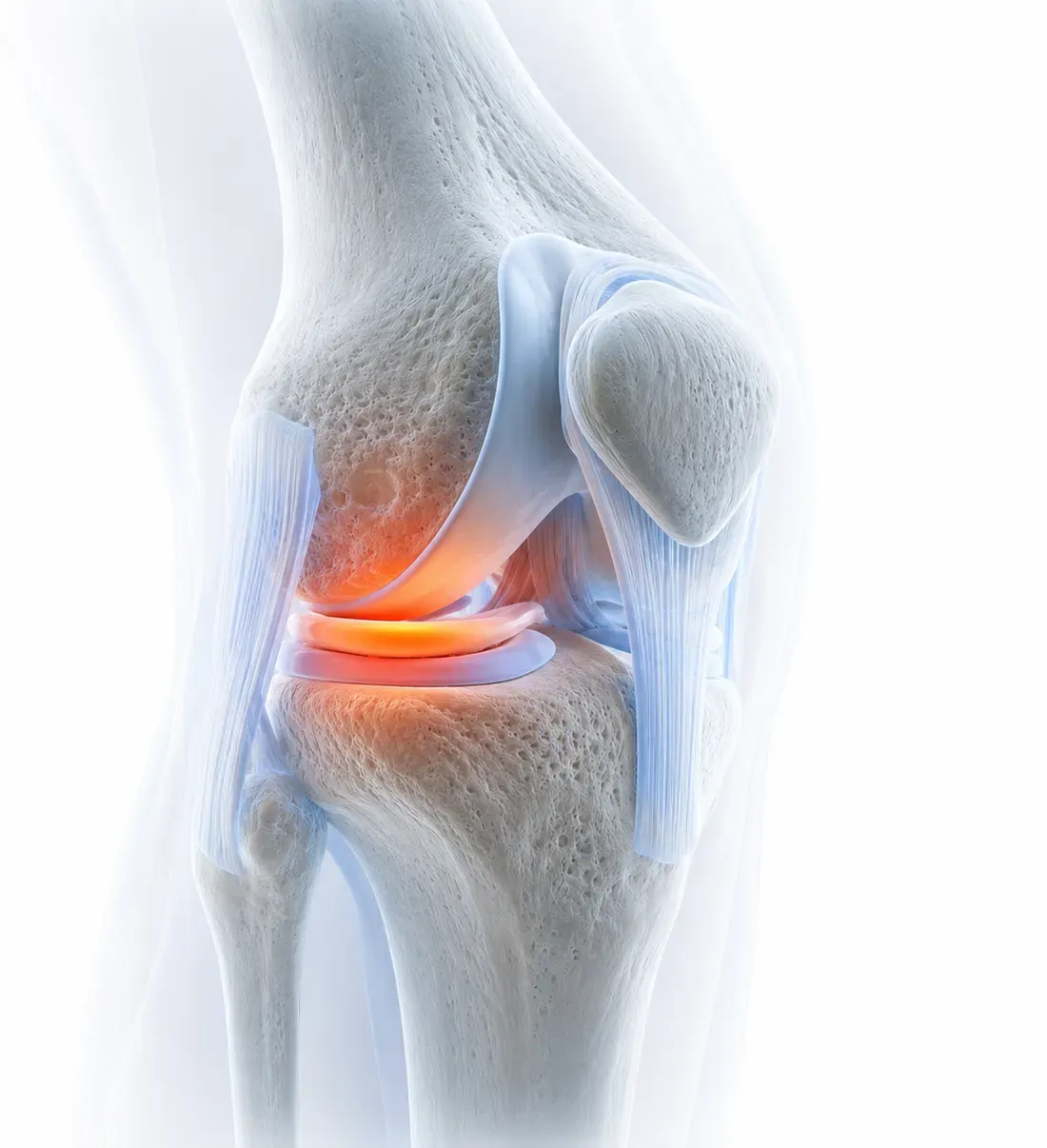
- Knee injuries, especially ACL tears and MCL sprains. Often from a twist on a planted ski, sometimes from a fall with the ski staying attached. ACL tears are the classic skiing injury.
- Wrist fractures: from falls onto outstretched hands.
- Thumb injuries (skier’s thumb): from the ski pole catching the thumb during a fall.
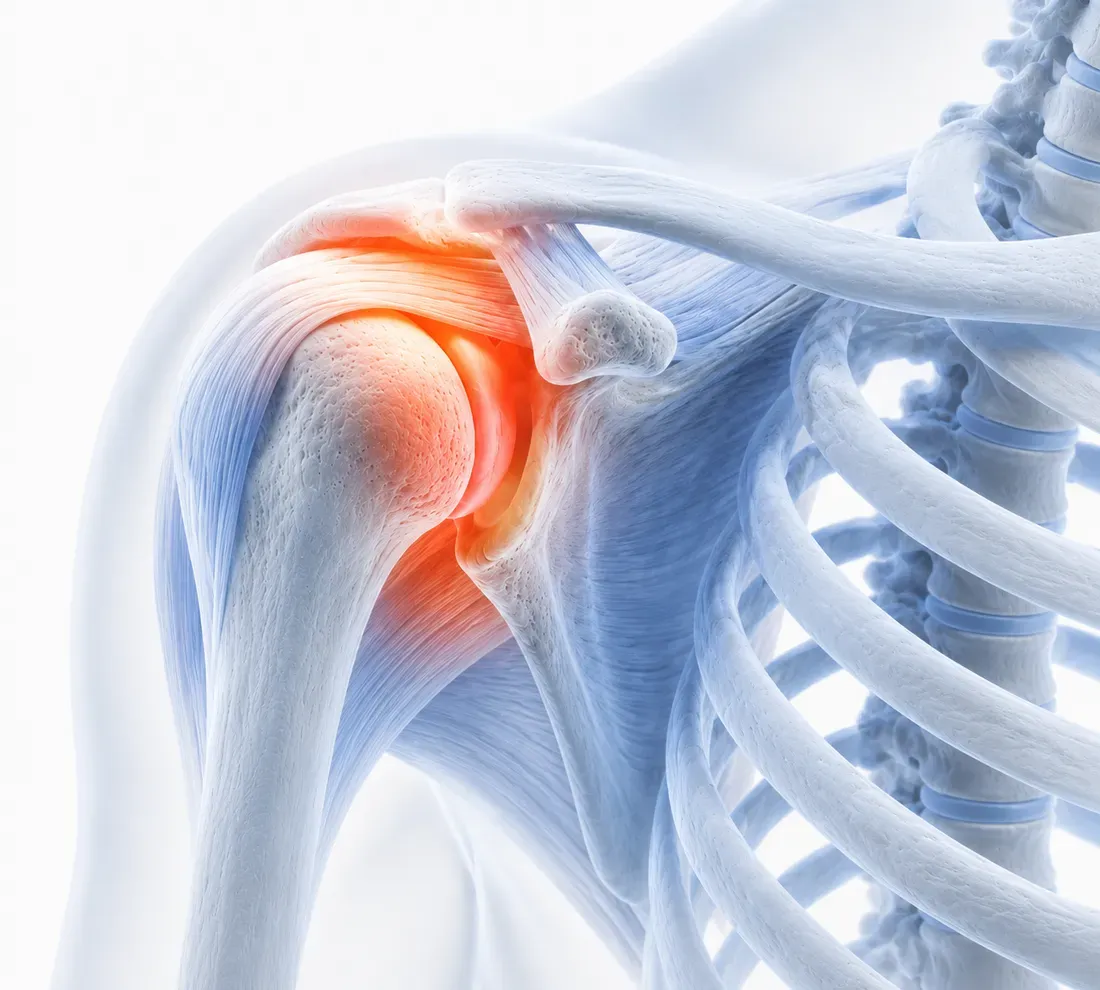
- Shoulder injuries: dislocations, AC joint sprains, rotator cuff tears.
- Lower-leg fractures (less common with modern bindings): tibia/fibula fractures.
- Head injuries: increasingly addressed with helmet use, but still occur.
Snowboarding (different profile):
- Wrist fractures: the most common snowboarding injury, especially in beginners. Falls onto outstretched hands.
- Tailbone injuries (coccyx contusions, fractures): backward falls.
- Ankle injuries: from boot/binding configurations.
- Concussions: especially when learning.
- Shoulder injuries: similar to skiing patterns.
- Knee injuries (less common than skiing).
For both: soft-tissue and back issues from days of unfamiliar postures and load.
Pre-season preparation
The strongest risk-reducer for skiing/snowboarding injuries: physical preparation before the season. Specifically:
1. Lower-body strength. Squats, lunges, single-leg work. The legs need to absorb load through the knees, hips, and ankles repeatedly. Pre-season strength work substantially reduces ACL and knee injury rates.
2. Hip stability and glute strength. Pelvic and knee alignment during dynamic movement depends on glute function. Weak glutes are a known ACL risk factor.
3. Balance and proprioception. Single-leg balance, Bosu work, agility drills. The skiing environment is constantly shifting; the body needs to respond fast.
4. Cardiovascular fitness. Most skiing days run 4-6 hours of intermittent intensity. Fatigue is a leading contributor to end-of-day injuries.
5. Core stability. Trunk control during dynamic movement, especially relevant for snowboarders absorbing landing forces.
6. Mobility work. Hip, ankle, thoracic spine. Restrictions force compensations during fast skiing or boarding.
A 6-8 week pre-season programme produces meaningful reductions in injury risk and improvements in on-snow capacity. Many keen NZ skiers do this through May-June for the southern winter.
During the season
Practical injury-reduction strategies:
- Warm up properly before the first run. 5-10 minutes of dynamic movement, not just standing in the queue.
- Stop when fatigued, not when you fall. The “one more run” at end of day is the highest injury-risk run.
- Match your terrain to your ability honestly. Most skiing injuries happen above the rider’s actual capability.
- Helmet use: standard now and recommended.
- Wrist guards for snowboarders: especially beginners; substantially reduce wrist fracture risk.
- Hydration and food: dehydration and low blood sugar contribute to fatigue and reduced reaction time.
- Manage pre-existing issues: a known niggling knee or back will be worse after a day on the snow. Address it before, not during.
Post-day and post-trip recovery
Days on the snow accumulate musculoskeletal load: thighs, glutes, lower back, calves, often shoulders and wrists. Common patterns post-trip:
- Quadriceps and glute soreness: substantial in the first few days.
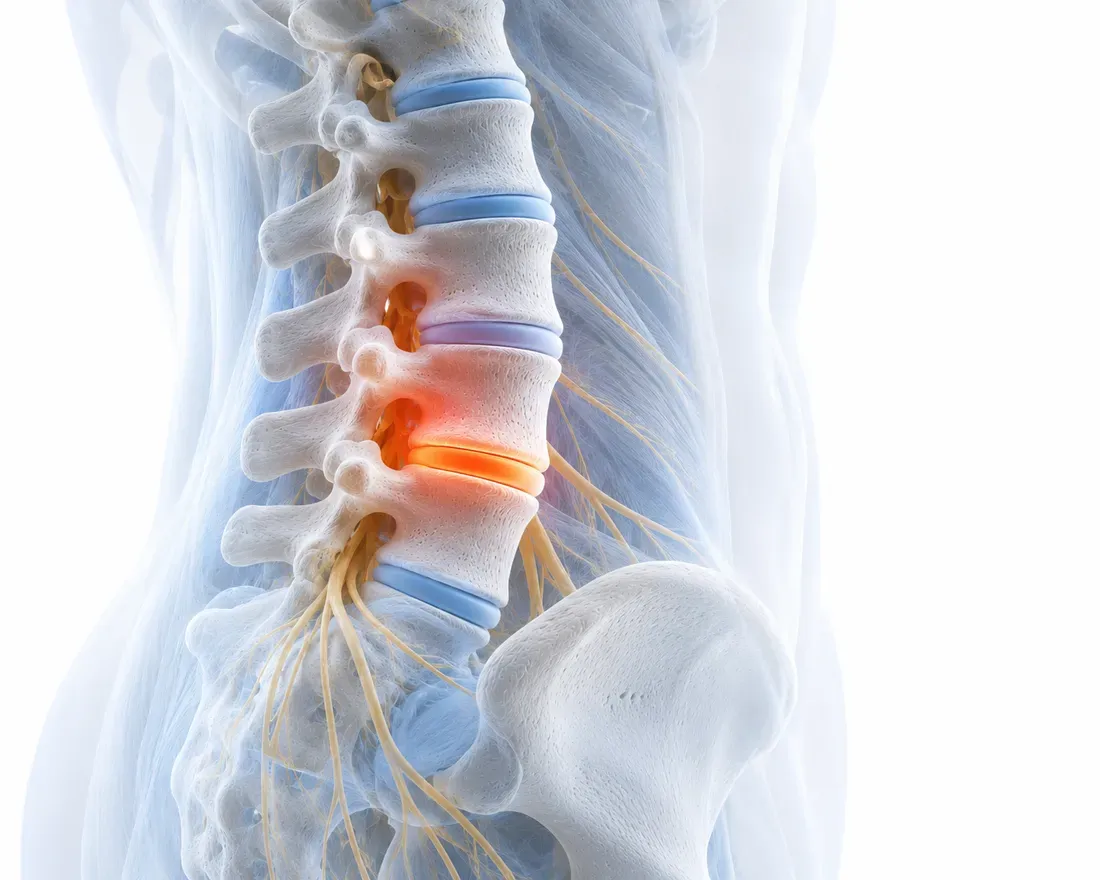
- Lower back tightness: from sustained slightly-forward posture.
- Neck and upper back tightness: from the helmet/goggle posture and looking up the slope.
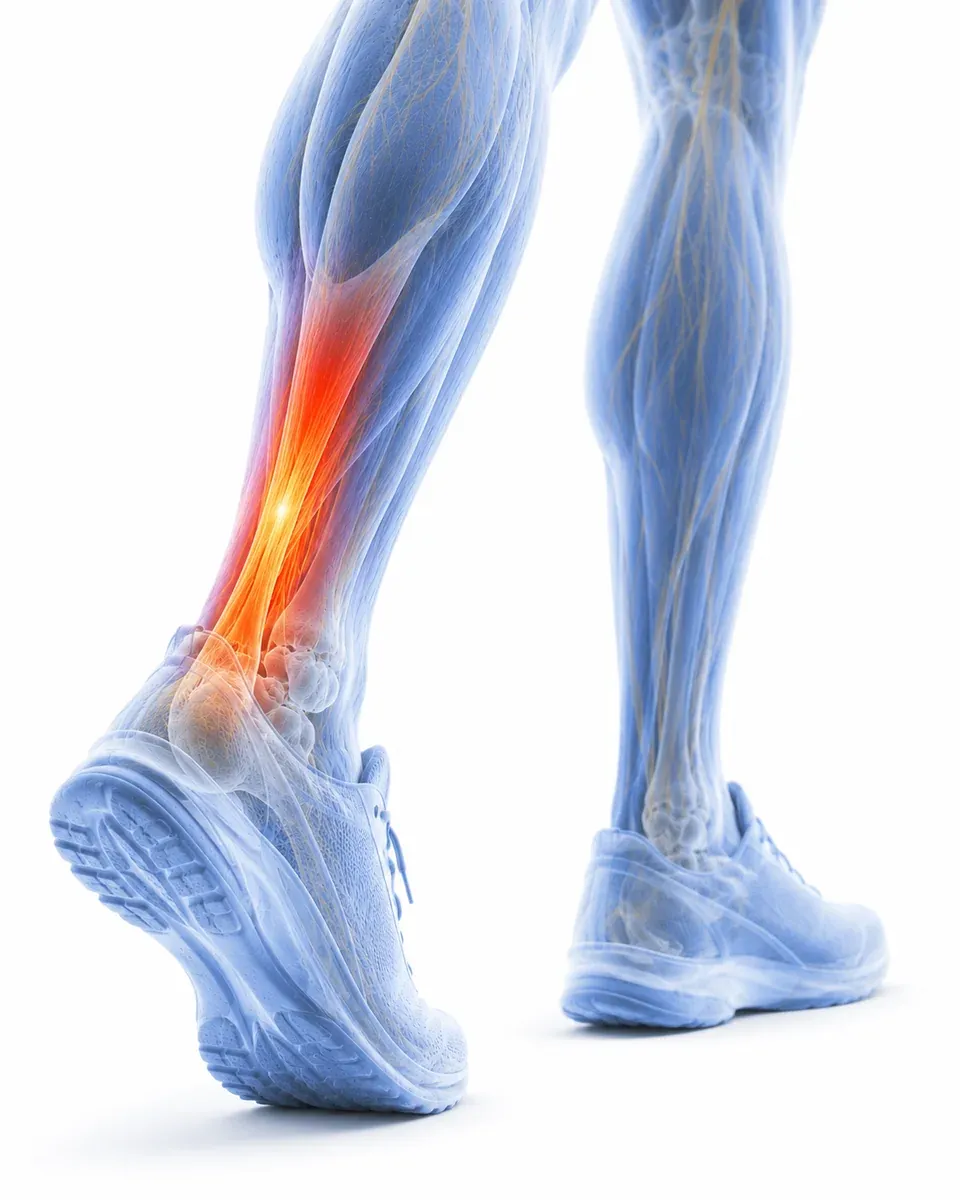
- Foot and ankle soreness: from being in stiff boots all day.
- Shoulder stiffness: especially for snowboarders carrying gear.
Most of this resolves naturally over a week. For multi-day or season-long skiers, periodic recovery work (Osteopathy, sports massage, mobility work) keeps things from accumulating.
Where Osteopathy fits
For skiers and snowboarders, Osteopathy contributes to:
Pre-season assessment. Identifying restrictions or weaknesses worth addressing before the season. A 4-6 week programme starting 8-12 weeks before the first day on snow is a strong investment.
Injury management. When injuries happen, structured assessment + treatment for the patterns above. For ACL-suspected injuries, prompt referral pathway through GP/sports physician for imaging and surgical opinion (see the ACL article).
Acute soft-tissue and joint issues. Lower back, neck, shoulder strains that occur during or after skiing.
Post-season recovery. Sessions to address accumulated tightness from the season.
Coordination with sports medicine, physiotherapy, surgical teams for cases that cross into specialist care.
ACC and skiing injuries
Skiing and snowboarding injuries are almost universally ACC-eligible: clear injury events with clear mechanisms. ACC funds the surgical pathway, imaging, and rehab for the major injuries. The patient’s role is mostly to lodge the claim at first contact and follow the pathway.
The ACC and Osteopathy guide covers the funded-care side, including how surgical referral and ongoing rehab work under ACC.
Booking with us
If you’re preparing for a ski season, recovering from a snow injury, or want post-season care, book online or call us on 0800 67 77 00.
Related reading
- Torn ACL: is surgery required? for the major skiing knee-injury question.
- Care for sports athletes for the broader athletic-care page.
- How do injuries heal for the recovery framework.
- ACC and Osteopathy guide for the funded-care side.