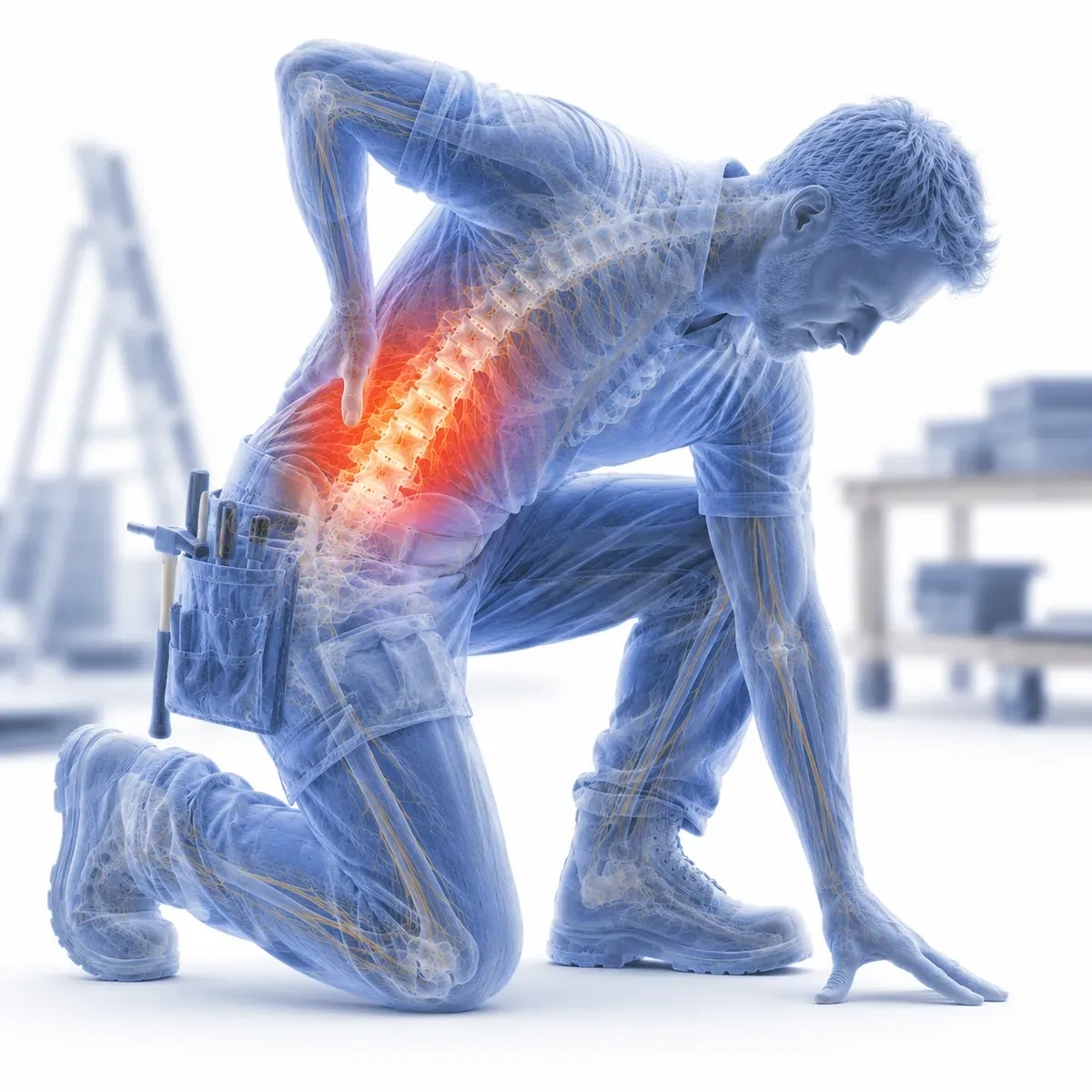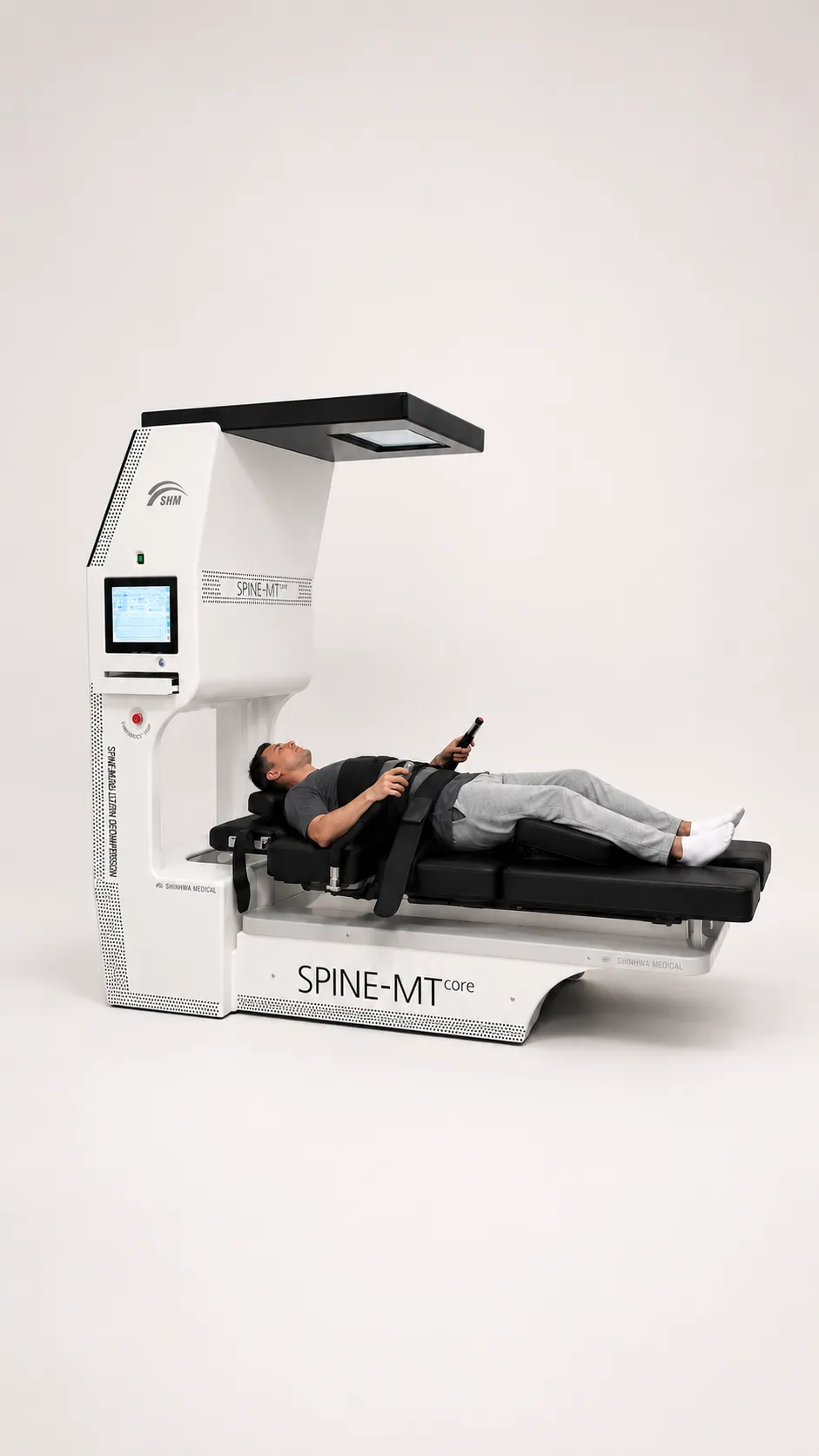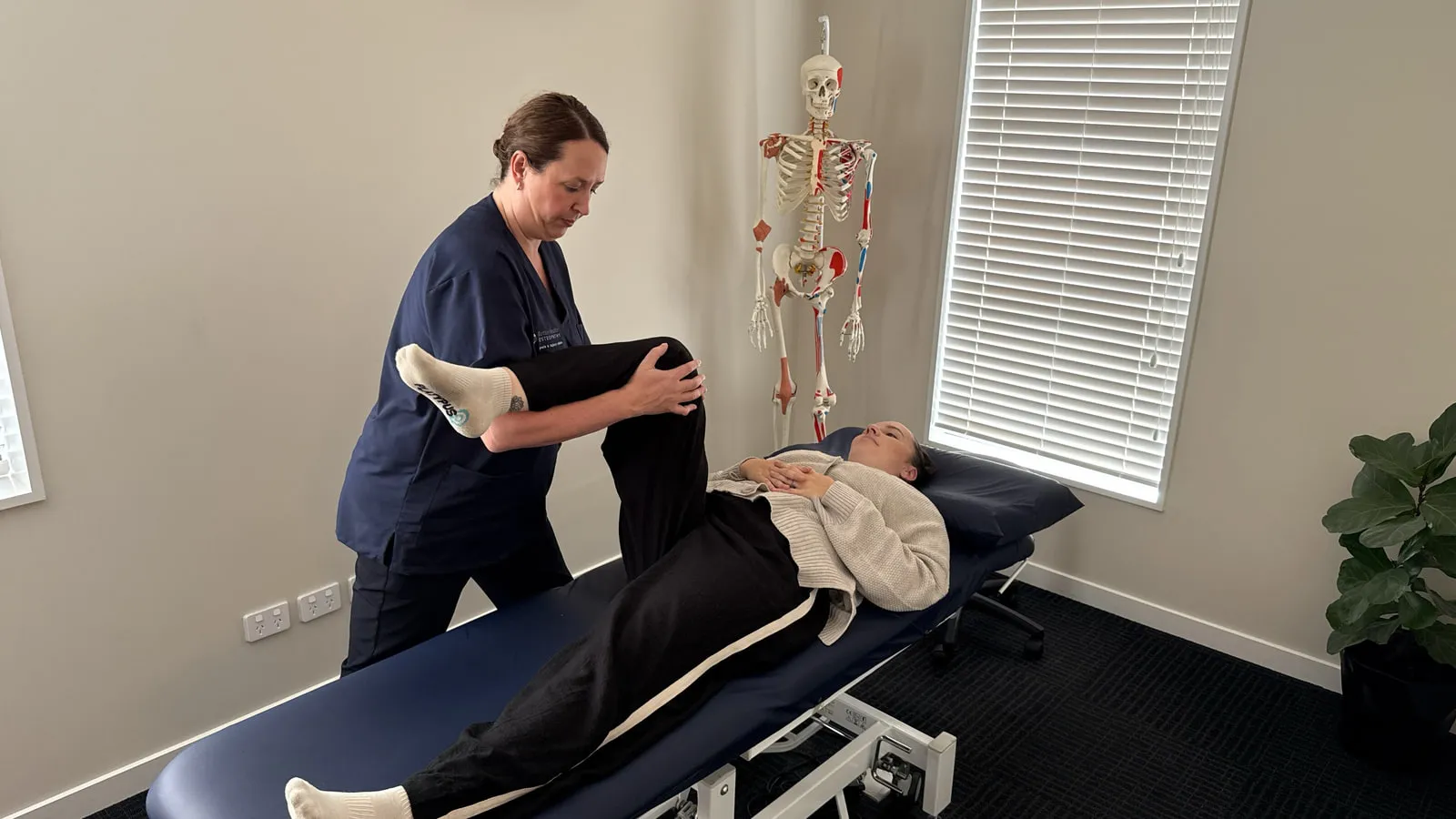

These are the questions patients ask in the treatment room after they’ve been injured, sometimes phrased gently and sometimes desperately. Every clinician hears them every week. The answers aren’t always the ones people want, but they’re usually the ones that lead to the best outcome.
For the underlying framework on why recovery works the way it does, see how do injuries heal. This article answers the practical questions that come from living through it.
How long is this going to take?
The honest answer: it depends on the tissue, the severity, and how well the recovery is managed.
Rough average timelines for common injuries:
- Minor muscle strain: 1 to 3 weeks for full function.
- Moderate muscle strain: 4 to 8 weeks.
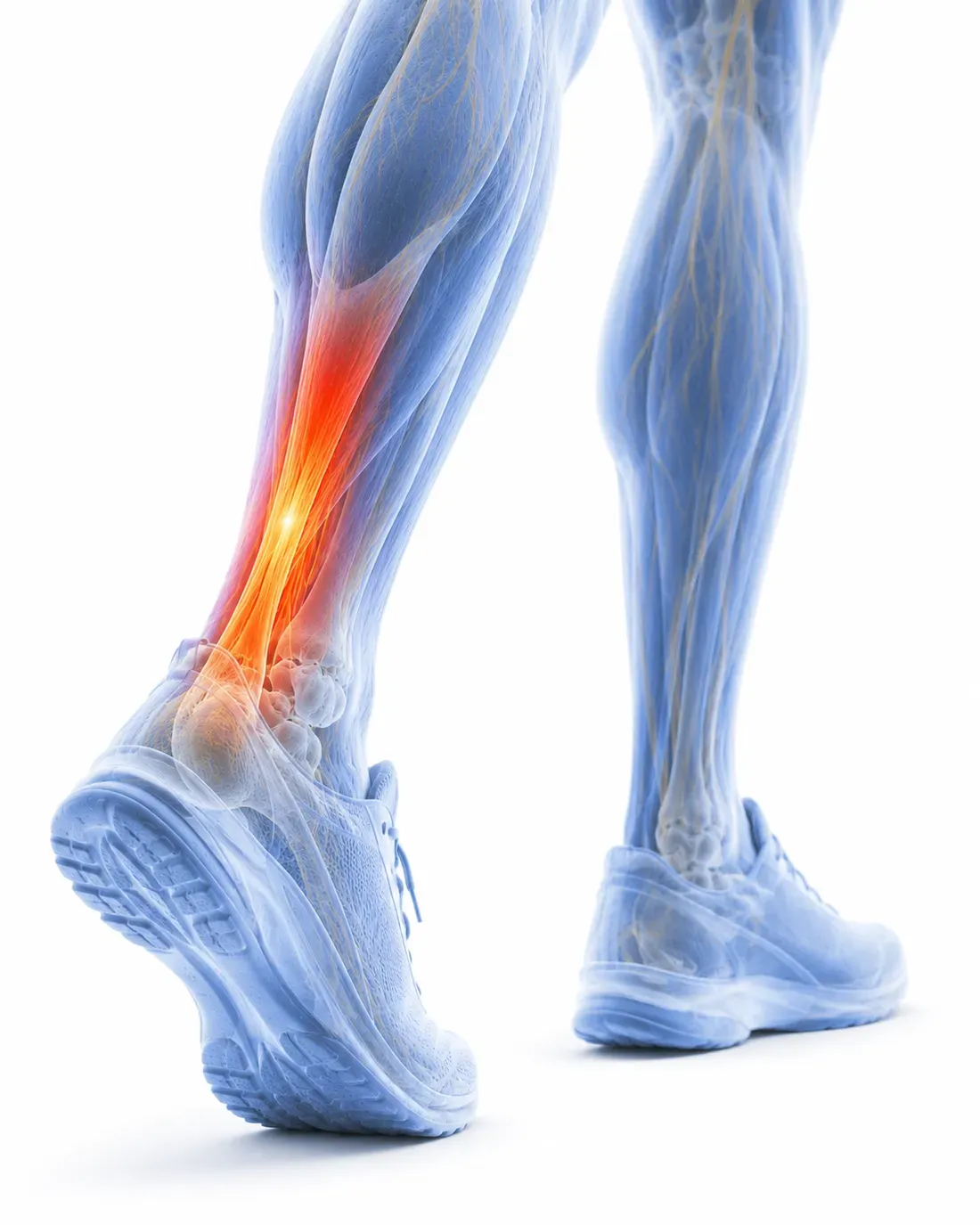
- Mild ligament sprain (e.g. low-grade ankle sprain): 2 to 6 weeks.
- Moderate ligament sprain: 6 to 12 weeks.
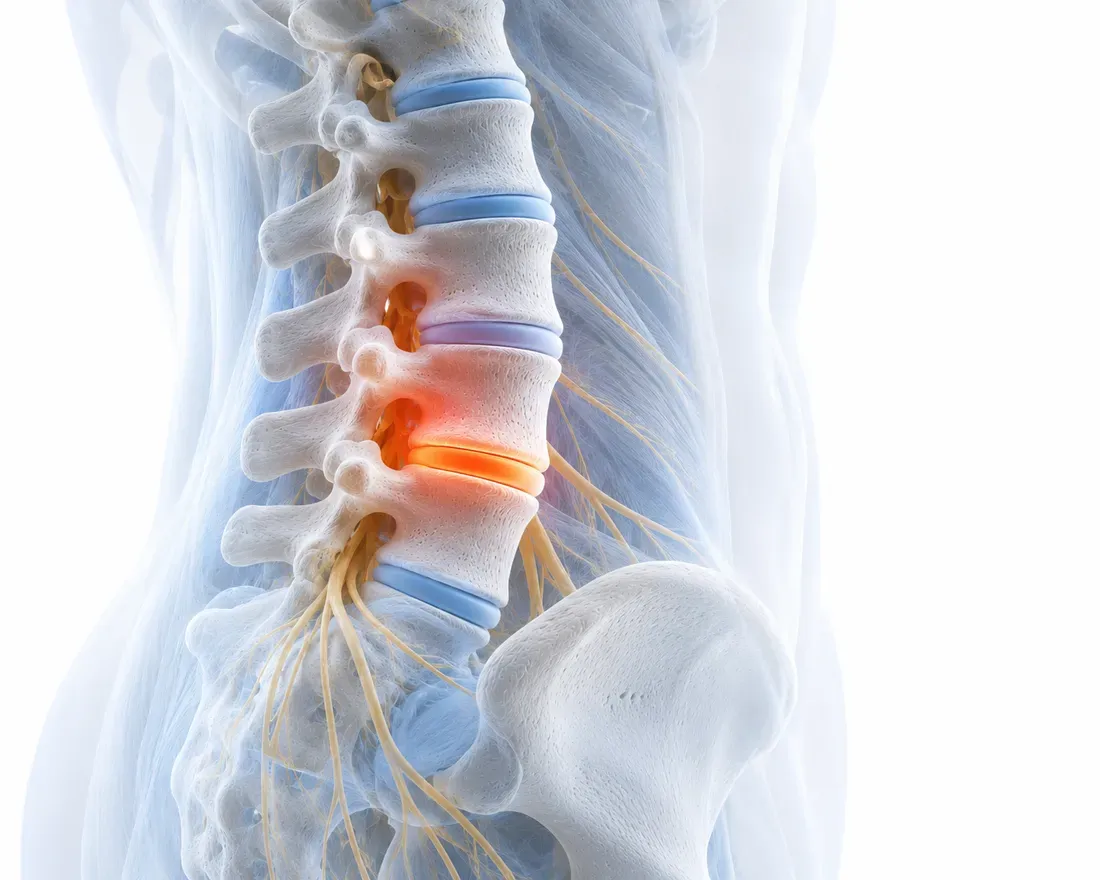
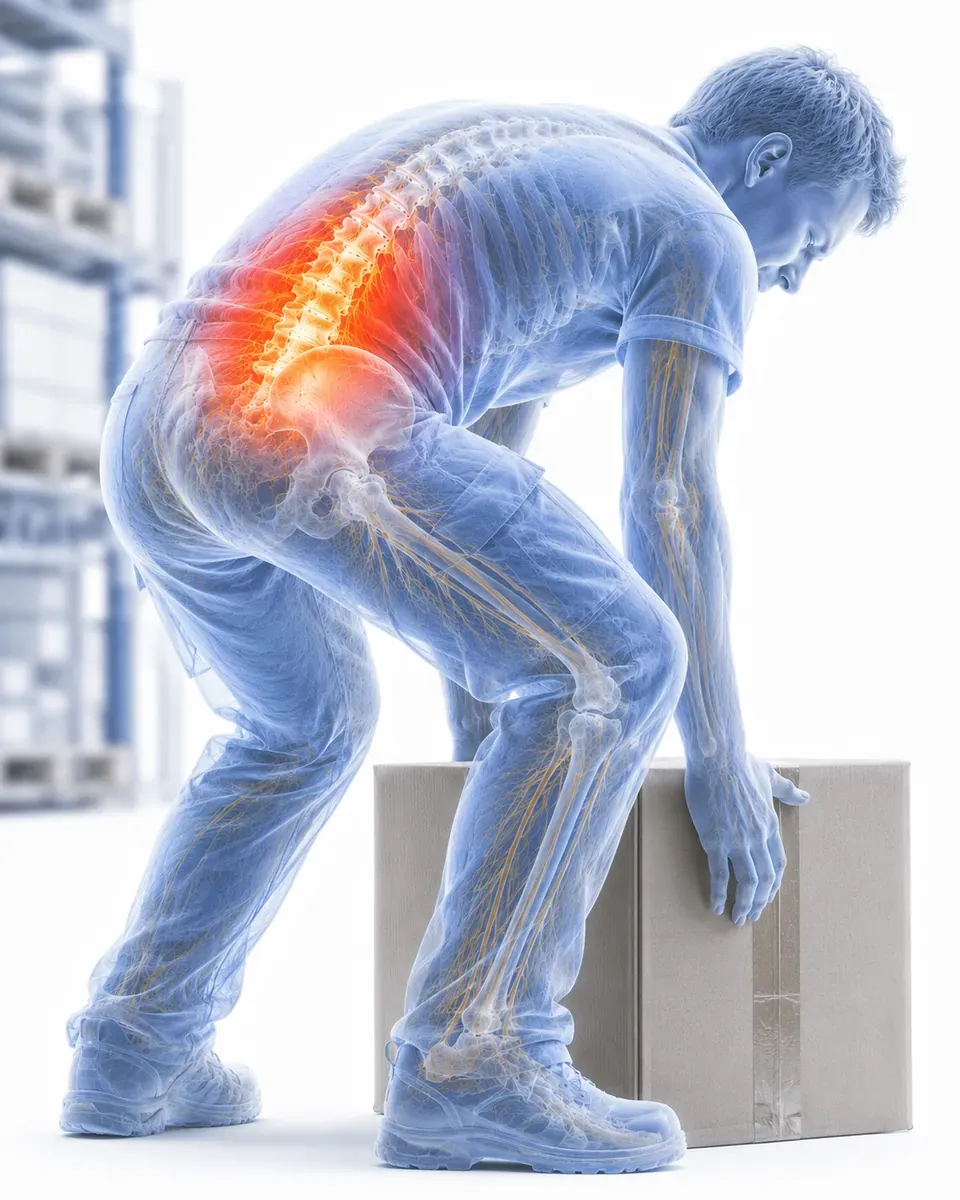
- Disc-related back pain (mechanical): 4 to 12 weeks for the worst to pass; 3 to 6 months for full settling.
- Post-surgical recovery: highly variable; follow your surgeon’s specific timeline.
- Whiplash: 6 to 12 weeks for most, longer for the 20-30% with a more complicated picture.
These are typical. Individual variation is wide. Some people heal faster; some slower. Two factors most predict where you’ll land: how consistent the loading and rehab are, and your general health going in (sleep, stress, nutrition, age, comorbidities).
The pain often resolves before tissue is fully healed, which is a setup for re-injury if you stop the rehab too soon.
Why does my pain go up and down?
Recovery is rarely linear. Most patients have a “two steps forward, one step back” pattern, with good days and bad days mixed in the trend.
What’s normal:
- Pain spikes after a bigger activity day, settling within 24-48 hours.
- A bad day for no obvious reason (often poor sleep, stress, weather, hormonal cycle).
- Slight reflare after travel or a long sit.
- New “weird” sensations (twinges, mild aches in nearby areas) as the body relearns movement.
What’s not normal:
- A spike that doesn’t settle within 48 hours.
- A clear worsening trend across two weeks.
- Sudden severe pain disproportionate to what you did.
- New neurological symptoms (numbness, weakness, pain pattern changing).
If any of the “not normal” applies, that’s a reason to come back in for assessment, not to push through.
The key skill is looking at trends across 1-2 week windows, not day-to-day. Pain ratings on a single day are noise; the trend across weeks is signal.
When should I push, and when should I rest?
The 24-hour rule is the cleanest practical guide:
- If today’s activity makes tomorrow’s first hour noticeably worse, you overdid it. Scale down 20-30% next time.
- If today’s activity feels challenging during but the next morning is the same or better, that was the right dose.
- If today’s activity is easy and tomorrow is fine, you can usually progress.
The general principle: rehab progress comes from the dose just below “too much”. Find the line and stay just under it. The line moves as you heal; what was too much in week 2 is often easy by week 6.
Complete rest is rarely the answer. Pure pushing-through is rarely the answer. Calibrated graded loading is.
Why am I still in pain after the tissue should have healed?
Three things are usually in play when pain outlasts tissue healing:
-
The tissue isn’t quite healed yet. Healing timelines have wide individual variation. Six weeks for the typical person doesn’t mean six weeks for you.
-
The nervous system stayed sensitised. When you’ve been in pain for weeks, the pain-processing system can become more reactive. The tissue heals, but the system keeps treating ordinary signals as pain. This is genuine, common, and treatable.
-
You’re loading the area in ways that keep irritating it. Sometimes there’s a daily activity (work posture, an exercise, a sleep position) that keeps poking the area. Identifying and modifying that is part of the assessment.
If pain persists past the typical timeline for your injury, that’s a reason to get reassessed, not to assume it’s your “new normal”.
Should I get a scan?
Usually no, especially in the first 6 weeks of a typical mechanical injury.
Why scans are often unhelpful for typical injuries:
- They show structural findings (disc bulges, mild degeneration, minor tears) that are common in pain-free people too. Finding them doesn’t necessarily mean they’re causing your pain.
- They don’t change management for most cases. The treatment for “mechanical back pain with a small disc bulge” is the same as for “mechanical back pain without a small disc bulge”.
- Seeing alarming-sounding findings on a report can increase fear and pain (the “labelling effect”). This is a real, measured phenomenon.
When scans are appropriate:
- Red-flag features (loss of bladder/bowel control, severe progressive weakness, suspected fracture, suspected serious illness).
- Recovery has stalled despite appropriate care, and a scan would change the management.
- Surgery is being considered.
- Insurance or ACC requires it for case management.
If your osteopath or doctor doesn’t recommend a scan early on, it’s almost always because the typical mechanical pattern doesn’t need one. That’s evidence-based caution, not under-care.
Am I doing damage if I keep using it?
Almost always no. Hurt does not equal harm. The pain system is sensitive to load, but pain at low to moderate levels rarely indicates tissue damage in a recovering injury. The tissue you’re loading needs that load to remodel properly.
The rough rule: during rehab, pain up to about 4-5 out of 10 during activity, settling within an hour or two, is usually fine and often productive. Sharp pain, pain that lingers for days, or pain over 6-7 out of 10 is a signal to back off.
The big exception: a fresh acute injury (first 1-3 days) where you don’t yet know what you’re dealing with. In that window, “if it hurts a lot, don’t” is the right rule.
Will I get this again?
Probably, in some form. Musculoskeletal injuries are recurring conditions for most people, especially back pain, neck pain, and certain shoulder and ankle injuries.
What reduces re-injury risk:
- Completing the rehab, not just stopping when the pain settles.
- Building real capacity (strength, conditioning) above what your activities demand.
- Not returning to full pre-injury volume on day one back.
- Addressing the underlying contributors (load patterns, posture, training errors, sleep, stress).
What doesn’t reliably reduce re-injury risk:
- Generic stretching alone.
- Wearing supports or braces beyond the acute phase.
- Avoiding the activity that hurt (this often increases risk by allowing capacity to drop).
The goal isn’t to never feel a twinge again; that’s not realistic. The goal is to be robust enough that the inevitable load spike doesn’t turn into a 6-week problem.
Is this an old injury coming back?
It can be. Old injuries that didn’t fully recover often leave a region that’s slightly stiffer or more reactive, and a new event can flare that region.
Two patterns to watch for:
- Same exact area, same exact pattern: usually the old injury hasn’t been fully addressed.
- Nearby area, related but different pattern: often a compensation that’s been quietly building since the old injury.
This is one of the things a good clinical history surfaces. If you’ve had recurring issues in the same region, that’s important to share.
Why is recovery slower than I expected?
A few common reasons:
- Poor sleep: tissue repair happens fastest during deep sleep. Five hours a night for two weeks slows everything down measurably.
- High stress: increases pain sensitivity and slows tissue repair via cortisol effects.
- Smoking: well-documented to slow musculoskeletal healing.
- Low protein intake: the body needs raw materials.
- Diabetes / blood sugar issues: affect blood supply to healing tissues.
- Underdoing the rehab: the most common cause in otherwise healthy people. Doing the exercises three times in week one then forgetting about them.
- Overdoing the rehab: the second most common. Trying to push through to full capacity in two weeks.
- An incorrect diagnosis or missed contributor: the original assessment might have missed a piece. Worth reassessing if recovery is markedly slower than typical.
Slower recovery isn’t a personal failing; it’s information about what to adjust.
Should I take painkillers?
Short-term, yes if you need them to function. Long-term, no.
Reasonable use:
- First 1-2 weeks of a fresh injury: paracetamol, ibuprofen if appropriate (check with a pharmacist for interactions). Used to support sleep, function, and basic activity.
- Around a higher-load day if you’re due to a wedding, work event, etc.
Less reasonable use:
- Ongoing daily use beyond a few weeks. Diminishing returns; risks compound.
- High-dose anti-inflammatories for long stretches (some evidence they slow tissue repair, plus stomach and kidney risks).
- Opioids for typical mechanical pain. Appropriate for short post-surgical or severe acute use; not for ongoing musculoskeletal care.
If you find yourself needing painkillers daily for more than a few weeks, that’s a signal something in the picture isn’t being addressed.
Can I go back to sport / training / work?
The honest framework:
Light return is usually safe earlier than people think, often within the first 2 weeks of a typical injury, at modified intensity.
Full return depends on:
- The activity’s load demands matching what you’ve rebuilt.
- The pattern of pain not flaring with the relevant movements.
- Confidence in the area not protecting through pain.
The most common return-to-sport mistake is going from zero to full intensity in one session. A graded ramp (50% then 70% then 90% then full, across multiple sessions) reduces re-injury risk substantially.
Talk through your specific timeline with your clinician. “When can I run again?” has a different answer for a sprained ankle vs a herniated disc, and within each, different answers for different patients.
ACC and the recovery process
For injury-related cases in New Zealand, ACC funds treatment through the recovery period. Most musculoskeletal injuries get an initial block of cover (typically up to 16 visits) before a treatment-update form (the ACC32) is required to continue. This isn’t a hard cap; it’s a check-in. If recovery genuinely needs more time, treatment is usually approved.
The ACC and Osteopathy guide covers the full mechanics: lodging, transferring providers, what happens if a claim is declined, and the accredited employer pathway.
Booking with us
If you’re working through a recovery and want a clear conversation about where you are in the process and what comes next, book online or call us on 0800 67 77 00.
Related reading
- How do injuries heal for the underlying recovery framework.
- ACC and Osteopathy guide for the funded-care side.
- Sudden back pain: what to do for fresh-injury action steps.