
You’ve just done something to your back. Lifted something awkwardly, twisted reaching for the seatbelt, or woken up unable to straighten up. The pain is sharp, it’s stopping you doing normal things, and you’re trying to work out whether to rest, push through, take painkillers, or get checked.
This is a clear, honest plan for the first 48 hours of a new back pain episode. It’s not medical advice for an emergency; if any of the red flags below are present, get checked urgently. For the much more common “this hurts but I’m functional” pattern, here’s what actually helps.
The short answer
Most acute back pain episodes (more than 90% of them) resolve within 4 to 6 weeks regardless of treatment. That doesn’t mean you should ignore it; the right care speeds recovery, prevents the flare from becoming chronic, and helps you understand what triggered it so it happens less often.
For the first 48 hours:
- Keep moving in pain-tolerable ways. Total bed rest is now actively discouraged.
- Use heat or cold, whichever feels better.
- Pain relief if you need it: paracetamol or ibuprofen at the recommended dose.
- Avoid the things that flare it sharply: heavy lifting, twisting under load, prolonged sitting in one position.
- Watch for red flags. If any appear, get checked.
- Book in within the first few days if the pain isn’t easing or is significantly limiting you.
The rest of this article expands each.
Keep moving (the most important thing)
The old advice was to lie down and rest until the pain stops. That advice is now reversed in the evidence: prolonged bed rest slows recovery and makes the back more sensitive. The current evidence-based pattern is to keep moving in ways your body tolerates.
What “keep moving” actually means:
- Get up every 30 to 60 minutes if you’re sitting or lying down
- Walk gently around the house or block, even just for 5 to 10 minutes at a time
- Do whatever positions feel okay; avoid the ones that flare sharply
- Sleep is fine; lying still in bed for the day isn’t
The principle is that movement keeps the muscles around the spine working, keeps the tissue calm, and gives your nervous system a signal that the back is safe to use. Stillness sends the opposite signal.
Heat or cold (whichever feels better)
There’s no clinical research that strongly favours one over the other for acute back pain. The honest answer is: use whichever feels better to you.
- Heat (hot water bottle, heat pack, warm shower) tends to help muscle-spasm-feeling pain. It boosts blood flow and reduces protective tightness.
- Cold (ice pack wrapped in a tea towel, never directly on skin) tends to help sharp inflammatory pain in the first 24 to 48 hours.
Many people find heat works better after the first day. Try one; if it doesn’t help, try the other. Apply for 15 to 20 minutes at a time, with at least 30 minutes between applications.
Pain relief if you need it
For most acute back pain, simple over-the-counter pain relief is enough. The current NZ pharmacist-level recommendations:
- Paracetamol: 1 g, four times a day max (8 hours apart). Safe for most people.
- Ibuprofen (or other NSAIDs): 400 mg, three times a day with food. Avoid if you have stomach ulcers, kidney issues, or are on blood thinners.
A combination of paracetamol and ibuprofen at recommended doses is sometimes more effective than either alone. Talk to your pharmacist if you’re unsure or have other medical conditions.
What we don’t recommend without GP input:
- Codeine-based pain relief (constipation often makes back pain worse, plus dependency risks).
- Strong opioids (rarely indicated for ordinary acute back pain).
- Muscle relaxants (limited evidence; ask a GP if you’re considering them).
What to avoid in the first 48 hours
- Heavy lifting or twisting under load. Light grocery bags are fine; the heavy box of textbooks isn’t.
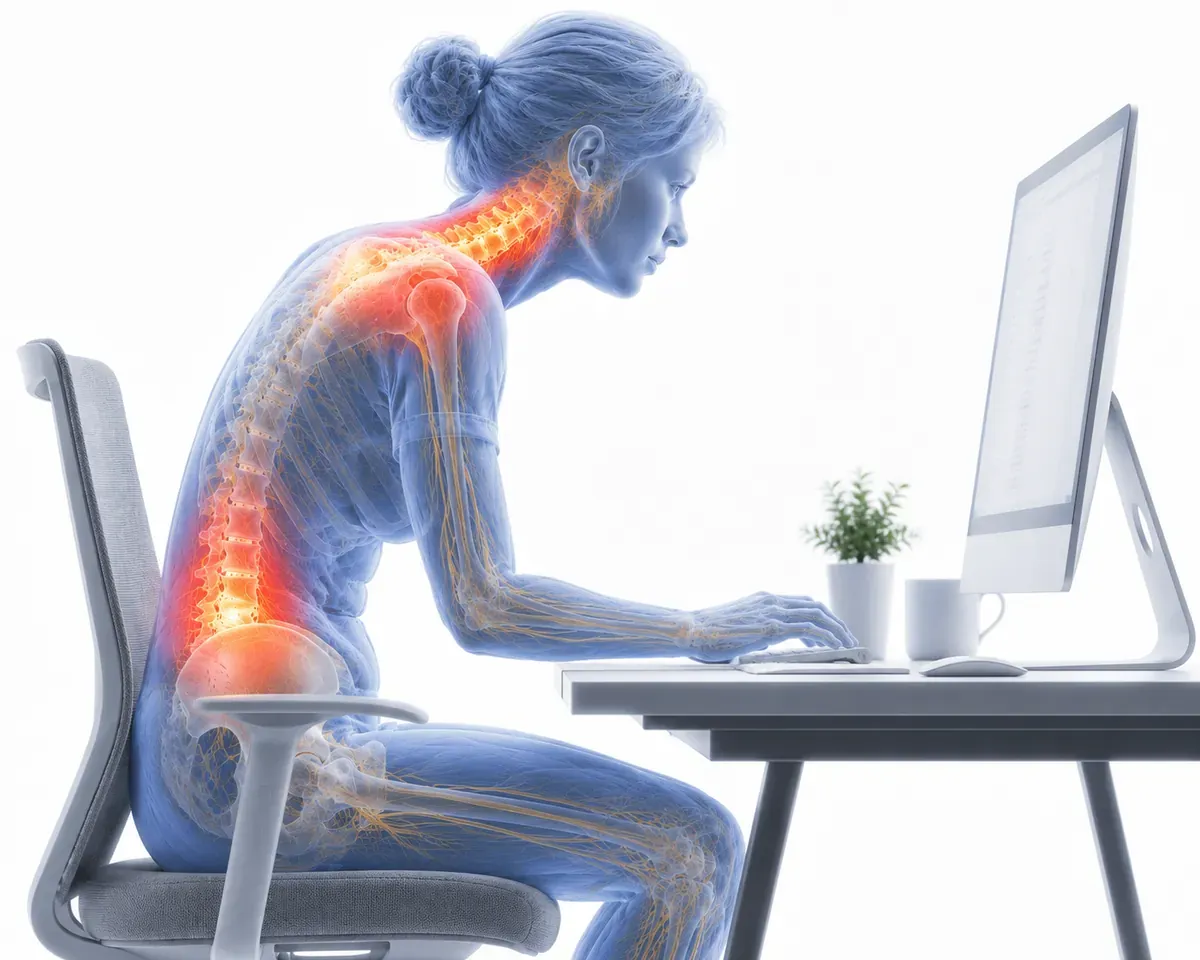
- Sitting still for hours at a desk or in a car. Get up regularly; move.
- High-impact exercise (running, jumping, heavy gym work). Walking and gentle mobility are fine.
- Stretching aggressively into the painful direction. Gentle movement is good; forcing range tends to flare it.
- “Cracking” yourself by twisting hard. The relief is brief and you can make it sharper.
Red flags: when to go to urgent care
Most back pain is mechanical (muscles, joints, discs) and resolves with time and care. A small minority of cases need urgent assessment. Get medical help promptly if:
- You’ve lost control of your bladder or bowels, or you have new numbness in the genital or saddle area
- You have significant weakness in the legs (e.g., you can’t lift your foot, your leg buckles when walking)
- The pain follows a significant fall, car accident, or impact, especially with a history of osteoporosis
- You have a fever, unexplained weight loss, or feel acutely unwell alongside the back pain
- You’re on long-term steroids or have a history of cancer with new back pain
- The pain is getting steadily worse rather than easing, especially at night
If any of these are present, go to an urgent care clinic or A&E rather than waiting for an Osteopathy appointment. We’d rather you got checked first.
When to book in (and why earlier is better)
You don’t have to book in. Most acute back pain settles. But there are good reasons to get checked early in the episode:
- Reassurance. A clear assessment confirming nothing serious is going on often eases the protective tightness that’s flaring the pain in the first place.
- A targeted plan. Different patterns of back pain need different approaches. Hands-on treatment, specific exercises, or load advice that fits your case beats generic recovery.
- Faster recovery. Studies of acute back pain consistently show that earlier intervention reduces total time to recovery and reduces the chance of the episode becoming chronic.
- ACC eligibility. If your back pain started with an event (lifting, twisting, slipping, accident), it’s almost certainly ACC-eligible. The ACC and Osteopathy guide covers how this works.
A practical guide:
- If you can move around and the pain is easing day by day, you can probably manage the first week with the self-care above. Book in if it’s not gone in 2 weeks.
- If the pain is significantly limiting you (can’t sit, can’t sleep properly, can’t work), book in within the first few days.
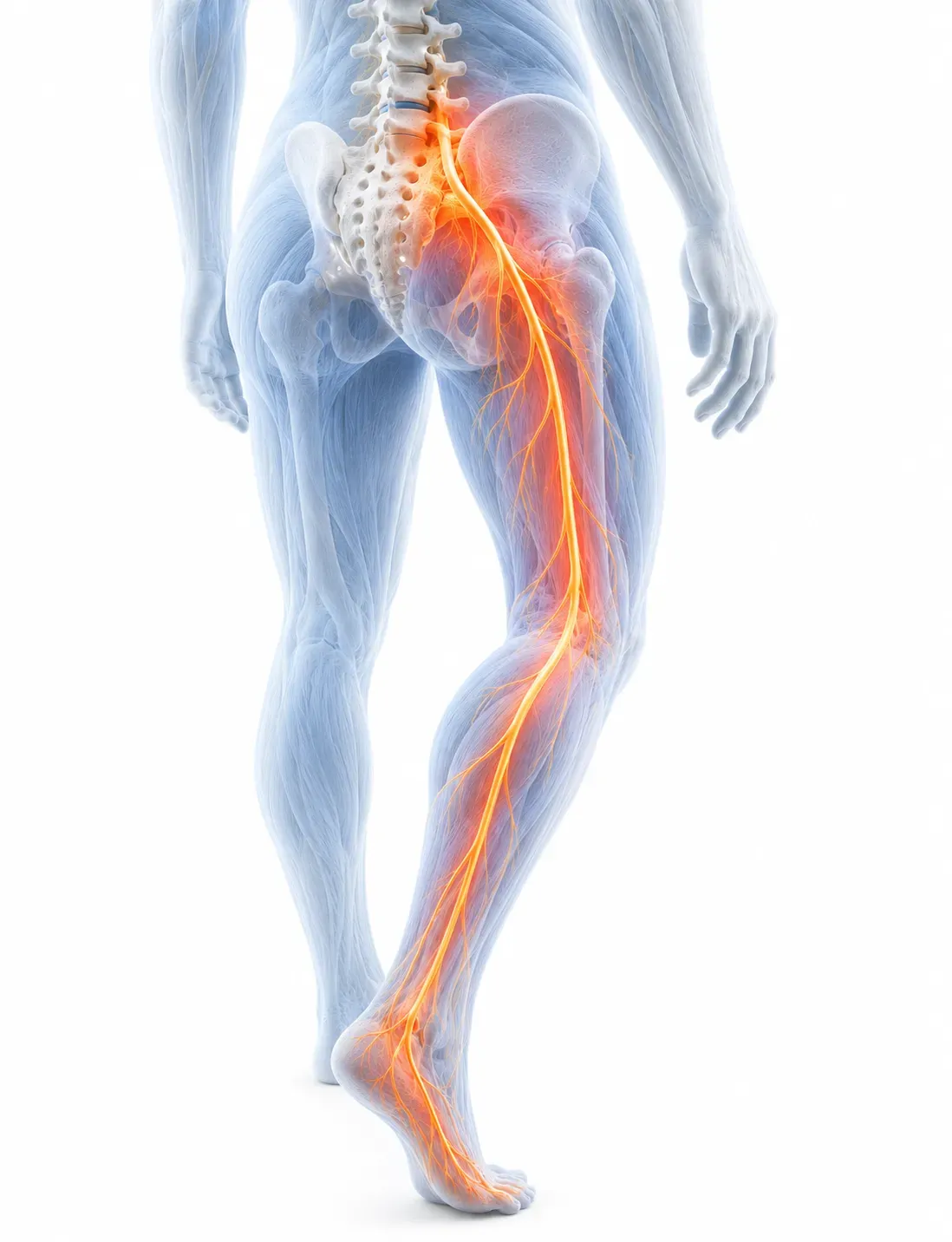
- If symptoms include any leg pain, numbness, or tingling, book in early. These can indicate nerve involvement and benefit from earlier assessment.
What to expect at your first appointment
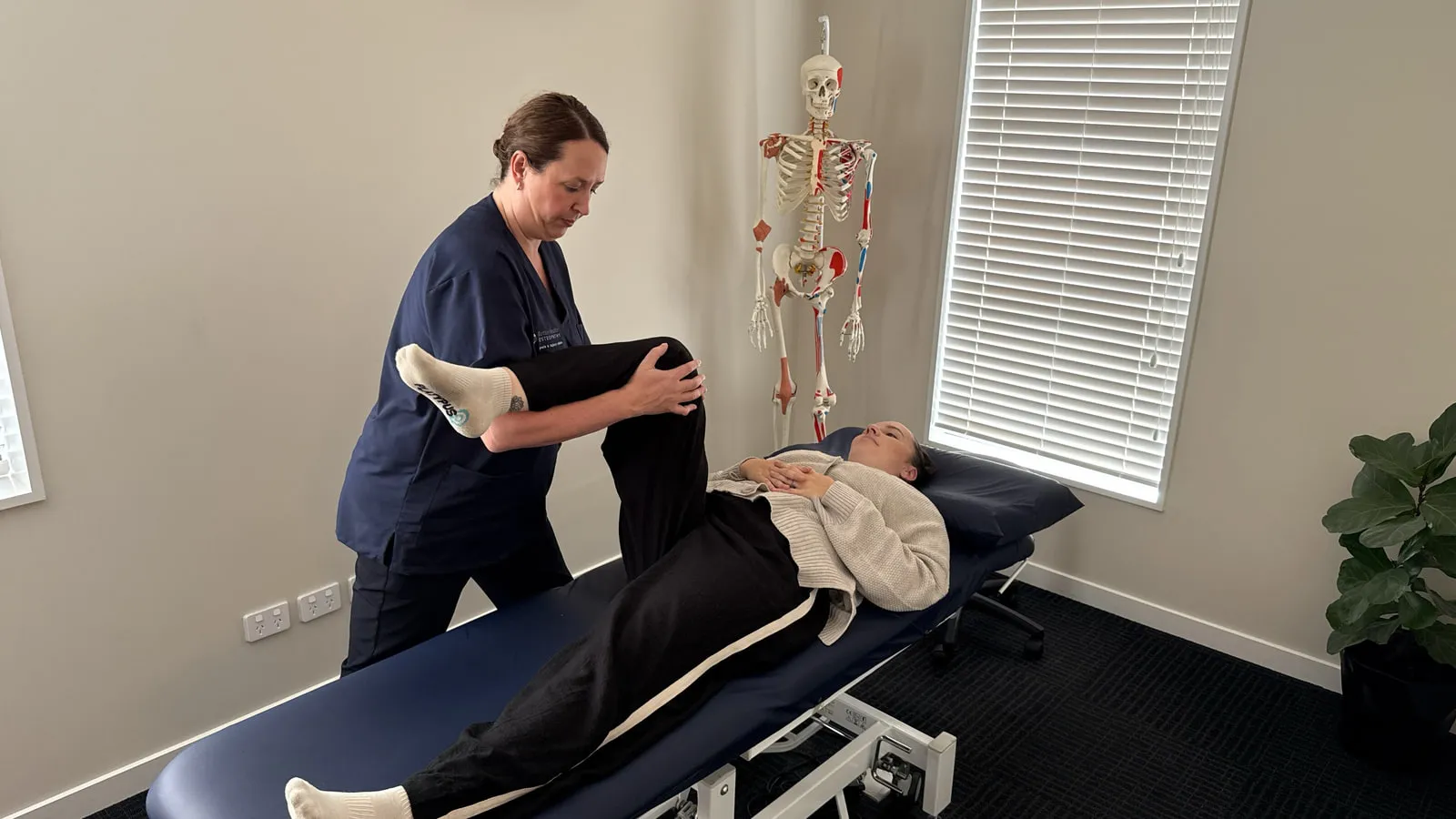
A first visit for acute back pain takes about 30 minutes. We:
- Listen to how it started, what makes it better and worse, what you’re worried about.
- Examine your back, hips, and legs to identify what’s driving the pain and rule out anything more serious.
- Treat with hands-on care to ease the worst of the muscle guarding and joint stiffness.
- Plan a clear path forward with simple home exercises and load guidance.
Most people leave noticeably easier after the first visit, with a clear understanding of what’s going on and what to do for the next few days.
If your injury is from an event (lifting, twist, fall, accident), we’ll lodge an ACC claim at the first visit. Bring a rough recall of what happened.
Booking with us
If you’d like to book in, book online or call 0800 67 77 00. Same-week appointments are usually available; same-day appointments for acute pain are often possible if you call early.
Related reading
- Back pain: full condition guide for the longer view on causes and treatment patterns.
- ACC and Osteopathy in NZ if your back pain started with an event and you want to understand the funded-care side.
- Sciatica if your pain runs into the leg.