
You’ve been in a car accident. It might have been a small rear-end at a roundabout or something more significant, but in the hours and days afterward you’re noticing neck stiffness, headache, and a deep ache that wasn’t there before. You’re trying to work out whether you need to get checked, what’s going to help, and how the ACC side works.
Whiplash is one of the most common injuries we see in clinic. It’s also one of the most misunderstood. The recovery arc is reasonably predictable, the treatment patterns are well-evidenced, and the ACC pathway is straightforward. The biggest mistakes people make are usually about timing: waiting too long to start care, or giving up too early when symptoms haven’t fully settled.
This guide covers what whiplash actually is, the typical recovery arc, what helps, and what the evidence says.
What whiplash is
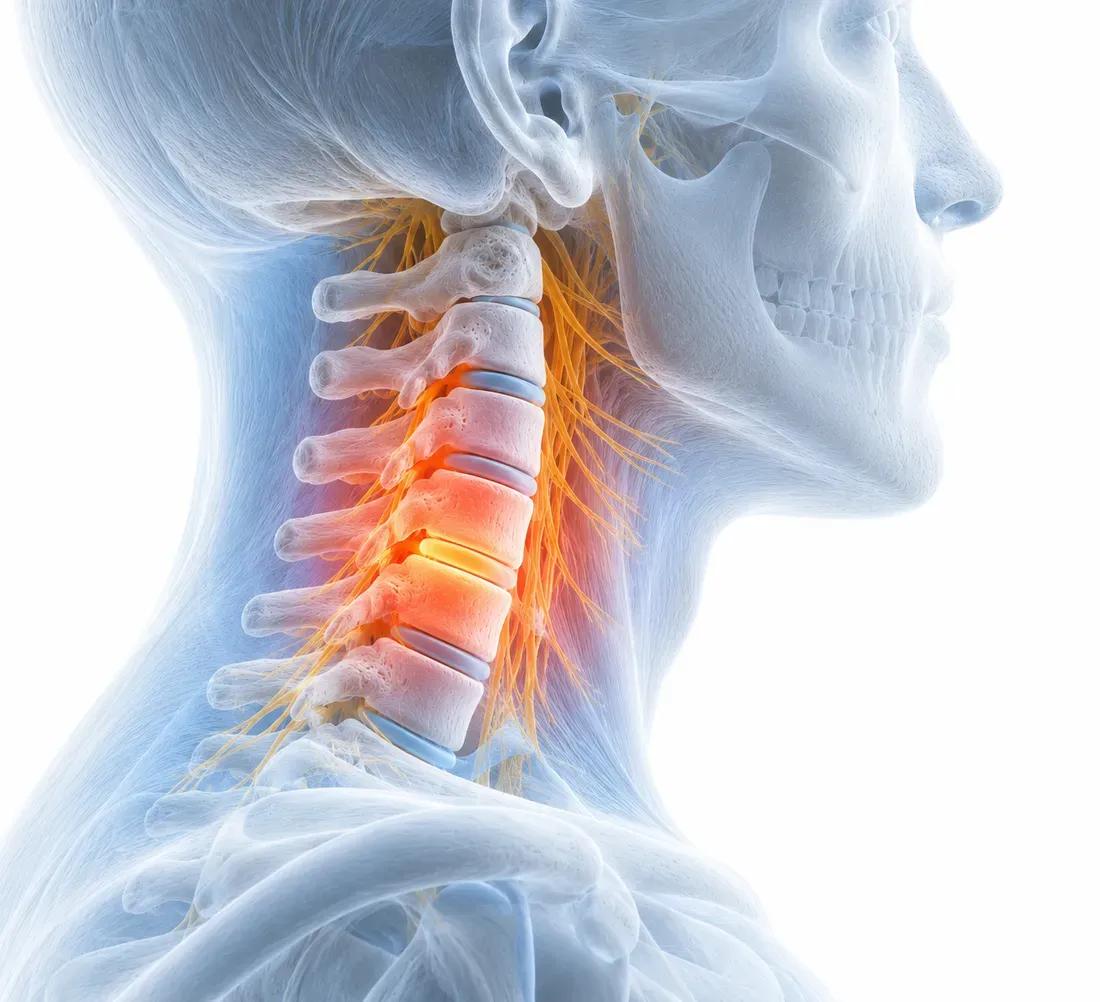
“Whiplash” describes a soft-tissue neck injury caused by a sudden acceleration-deceleration force, classically in a rear-end car accident. The neck is pushed beyond its normal range in one direction (usually backwards) then rebounds the other way, often within a fraction of a second. The structures that take the strain include:
- Neck muscles (especially the deeper cervical flexors and the upper traps)
- Facet joints (the small paired joints at the back of the spine)
- Ligaments holding the cervical vertebrae together
- Discs between the vertebrae (in more significant injuries)
- Nerves and nerve roots (in some cases)
- The jaw (the rapid head movement also strains the temporomandibular joint in many cases)
The result is a constellation of symptoms that don’t always appear immediately. The classic pattern is feeling “okay” or just shaky on the day of the accident, then waking up the next morning much sorer than expected.
What whiplash symptoms look like
The typical pattern includes some combination of:
- Neck pain and stiffness, often worst with rotation
- Headaches, often radiating from the back of the head
- Shoulder and upper-back tension
- Reduced neck range of motion, especially looking up and turning
- Dizziness or light-headedness, especially with quick head movements
- Jaw soreness or clicking, sometimes ear pressure
- Visual disturbance in some cases (blurring, light sensitivity)
- Fatigue and difficulty concentrating (“brain fog”)
- Sleep disruption
- Anxiety or low mood, particularly in the early weeks
The breadth of symptoms is part of why whiplash is sometimes underestimated. The injury is mechanical, but the consequences ripple through multiple systems.
Most whiplash injuries are Grade 1 or 2 on the standard Quebec Task Force scale: muscle/ligament strain or moderate musculoskeletal injury without neurological signs. These respond well to active care. Grade 3 or 4 injuries (neurological signs, fracture) are uncommon but need urgent assessment.
The first 48 hours
If you’ve been in a recent accident, the first-day priorities are:
Get assessed if any of these apply:
- Loss of consciousness, even briefly
- Severe headache, vomiting, or confusion
- Numbness, weakness, or tingling in arms or legs
- Severe neck pain with inability to turn the head at all
- Visual disturbance, slurred speech, or balance problems
These features suggest possible head injury, neurological involvement, or fracture and need urgent care, A&E, or GP review.
For ordinary whiplash without those features:
- Don’t immobilise. The old “soft collar” advice has been reversed; current evidence shows that gentle movement speeds recovery and reduces the chance of chronic problems.
- Stay active within tolerable range. Get up, move around, do gentle daily activities.
- Use heat or cold, whichever feels better. Many people find heat works better after the first day.
- Pain relief if needed: paracetamol or ibuprofen at recommended doses.
- Hydration and sleep: the body’s recovery is genuinely affected by both.
The recovery arc
The honest version of what recovery looks like:
Week 1: pain peaks usually on day 2 or 3, then begins to ease. Movement is restricted; daily activities are uncomfortable but doable. Headaches are common.
Weeks 2 to 4: gradual improvement in pain and range. Most people can return to normal work and light activities with some discomfort. Treatment plus exercise produces measurable changes.
Weeks 4 to 8: most people are largely back to function, with occasional flares with high-load activities. Treatment frequency reduces; rebuild phase becomes the focus.
Weeks 8 to 12: many people are essentially recovered. Some lingering occasional stiffness or headache.
Beyond 12 weeks: most people are fully recovered. Around 20% of whiplash injuries develop persistent symptoms (lasting >12 weeks), often called “Whiplash Associated Disorder” (WAD). This is where structured rehab matters most.
The biggest predictor of full recovery is starting active care early (within the first 1 to 2 weeks) and continuing the rehab work even as symptoms ease. Stopping treatment as soon as the pain is bearable is a common mistake; it leaves the underlying capacity gaps that often drive recurrence.
What helps: the evidence
Strong evidence for:
- Active rehabilitation combining hands-on care with exercise. Outperforms passive rest.
- Education and reassurance. Understanding that whiplash usually recovers well, and what to expect, consistently improves outcomes.
- Returning to normal activities as soon as tolerable, with appropriate pacing.
- Specific neck exercises: deep cervical flexor activation, neck endurance work, range-of-motion progressions.
Limited or mixed evidence for:
- Soft collars. Now actively discouraged for ordinary whiplash; slows recovery.
- Routine imaging. X-ray and MRI rarely change management for ordinary whiplash without red-flag features.
- Strong opioid pain relief. Risks outweigh benefits for most cases.
- Surgery. Almost never indicated for ordinary whiplash.
What Osteopathy contributes:
- Hands-on work to ease muscle guarding and joint restriction
- Specific assessment of the wider chain (jaw, upper back, shoulders, sometimes pelvis if seatbelt-related)
- Coordination of the rehab arc: when to add exercise, when to push, when to back off
- Screening for the patterns that need different management (significant disc involvement, vestibular issues, persistent headache patterns)
ACC and whiplash
Whiplash from a motor-vehicle accident is virtually always ACC-eligible. The pathway:
At the scene or shortly after:
- If there’s any uncertainty about head injury or significant pain, get checked at A&E or urgent care.
- If you’ve been to A&E or a GP in relation to the accident, the ACC claim has usually already been started.
- Otherwise, the claim gets lodged at your first treatment visit (osteopath, physio, or chiro can all do this).
What to bring to your first treatment visit:
- Details of the accident: date, where, what happened, what you felt afterward
- Any documentation already gathered: accident report, GP letter, A&E discharge summary if applicable
What’s covered:
- Treatment costs (with the standard ACC surcharge; $95 for a first visit, $90 for follow-ups)
- Any imaging if clinically indicated and the right pathway is followed
- Specialist input if needed
Treatment review:
- Whiplash claims typically allow an initial block of treatment (often up to 16 visits) before ACC requests a treatment-update form (the ACC32). For most ordinary whiplash, recovery is well underway before reaching that threshold.
The ACC and Osteopathy guide has more detail on how the system works.
What to expect at your first appointment
A first visit takes 30 minutes. We:
- Take a careful history of the accident, your symptoms, any prior care, and any other injuries.
- Screen for red flags systematically: neurological signs, signs of disc involvement, signs of dizziness/vestibular issues, jaw involvement.
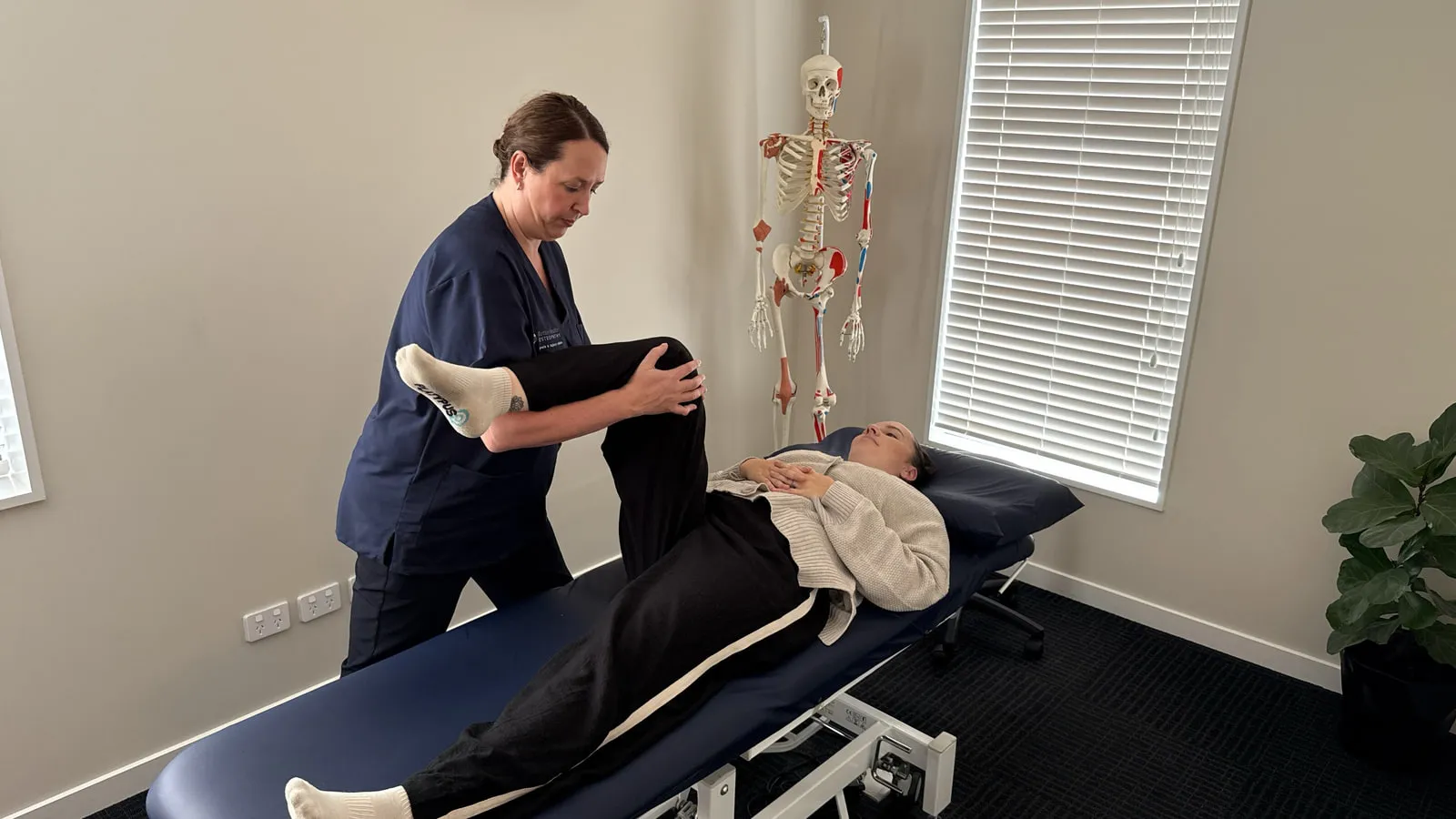
- Examine your neck, upper back, shoulders, jaw, and (if relevant) lower body for any seatbelt or restraint-related strain.
- Identify the pattern: which structures are most involved, what the recovery arc is likely to look like.
- Treat with hands-on care: soft tissue, articulation, gentle adjustment where appropriate, often jaw work for the TMJ-side symptoms.
- Plan: a clear arc for the next few visits, daily home exercises, advice on what to do and avoid.
If your case has features that warrant imaging or specialist input, we’ll explain why and arrange the right pathway.
How many sessions?
Honest numbers:
- Mild whiplash (Grade 1): 4 to 6 visits over 4 to 6 weeks for most people.
- Moderate whiplash (Grade 2): 6 to 12 visits over 6 to 12 weeks. The full picture often takes 8 to 16 weeks to settle.
- Severe or complicated cases: a longer arc, sometimes coordinated with other clinicians (specialist physio for vestibular issues, GP for medication review, etc.).
The visits get less frequent as recovery progresses. Early on, weekly is common. By weeks 4 to 6, fortnightly. By weeks 8 to 12, monthly check-ins as the rehab work compounds.
Why people get stuck (and how to avoid it)
The 20% of whiplash cases that become chronic usually share some patterns:
- Stopped treatment too early, before the deeper capacity work was done.
- Returned to high-load activities too quickly, before the rebuild phase was complete.
- Avoided movement for fear of “doing more damage”, which sensitises the system.
- Catastrophic interpretation of imaging that was actually normal or showed pre-existing changes.
- Ongoing stress or sleep disruption keeping the nervous system in alarm-state.
- Compensations from prior injuries that the whiplash has now stacked onto.
Avoiding the chronic outcome is mostly about doing the rehab work and not stopping too soon. The first 12 weeks are when the patterns get set; investing in proper care during that window pays off across years.
Booking with us
If you’d like to book in, book online or call 0800 67 77 00. If you’ve been in an accident, the claim gets lodged at your first visit. Bring a rough recall of what happened.
If you’re unsure whether your symptoms warrant urgent assessment, please see your GP or A&E first.
Related reading
- Neck pain for the broader neck-pain picture.
- Headache and migraine for the headache-side patterns common after whiplash.
- Slept funny on my neck for the unrelated-but-similar acute neck pain pattern.
- ACC and Osteopathy for the funded-care side.