
You’ve woken up and can’t turn your head. The neck feels locked into a slightly turned position, and any movement toward the painful side is sharp. You’re trying to work out whether to put up with it for the day or do something about it.
This is the classic acute wry neck (or “acute torticollis”) pattern. It’s common, it’s almost always benign, and it usually settles within a few days with the right care. Here’s the honest plan.
The short answer
For the classic “slept funny” neck:
- Don’t force the painful direction. Gentle movement only.
- Heat is usually better than ice for this pattern.
- Pain relief if you need it: paracetamol or ibuprofen.
- Move the neck through pain-free range, often, in small amounts.
- Avoid the things that flare it sharply: sudden head turns, holding still, prolonged phone-looking-down posture.
- Book in within the first day or two for hands-on care that often dramatically speeds recovery.
The rest of this article covers what’s actually going on, what helps, and when it’s something more.
What’s actually happening
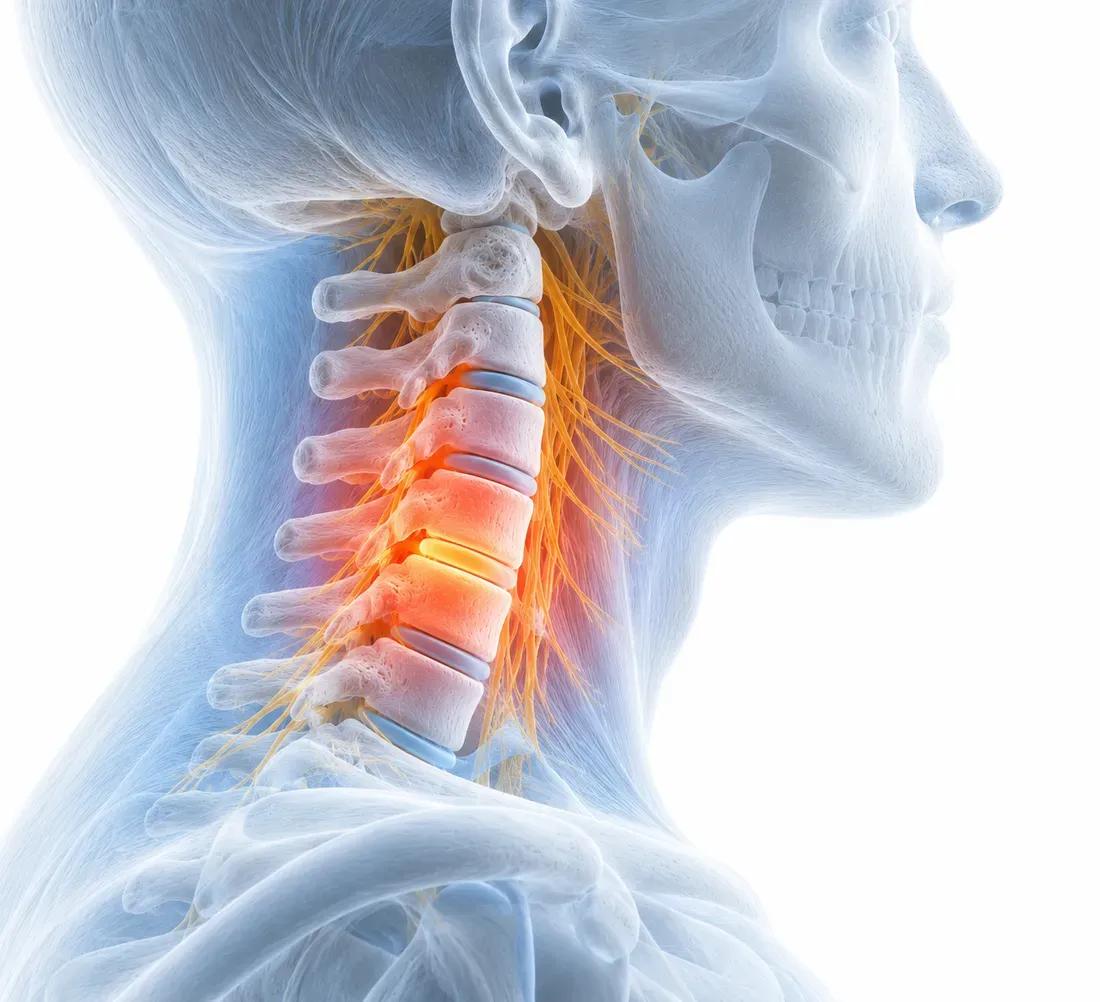
The “slept funny” pattern is a sudden, painful protective spasm in the neck muscles, usually combined with a small joint restriction in one of the cervical (neck) facet joints. The exact trigger is often hard to identify; common contributors include:
- Sleep position that left the neck in an unusual posture for hours.
- A sudden small movement (turning to back the car out of the driveway, looking up at a tall shelf) that the neck wasn’t ready for.
- Underlying tightness in the neck, shoulders, or upper back that finally tipped over.
- Recent stress, illness, or unusually long phone or computer time that primed the system.
The pain is real and can be sharp, but the structure isn’t damaged in any meaningful way. The muscles are protecting; the joint is stuck; the nervous system is on high alert. Treatment is about easing all three.
What to do today
Heat, not ice (usually)
For acute wry neck specifically, heat tends to help more than ice. The pattern is muscle-spasm-driven rather than tissue-damage-driven, and heat eases the protective tightness.
- Hot water bottle, heat pack, or warm shower over the neck and upper shoulders.
- 15 to 20 minutes at a time, with at least 30 minutes between applications.
- Use it 3 to 4 times during the day if it helps.
If heat makes it worse (uncommon for this pattern), switch to cold.
Gentle, frequent movement
The temptation is to hold the neck completely still because moving it hurts. This makes recovery slower. The better pattern:
- Small, gentle movements through the pain-free range, every 30 to 60 minutes.
- Don’t force the painful direction; ease toward it without pushing through.
- Slow rotations, gentle nods, small side bends. A few of each, multiple times a day.
The principle: movement keeps blood flow up, signals to the nervous system that the neck is safe, and prevents the protective muscle spasm from compounding.
Pain relief if needed
- Paracetamol: 1 g, four times a day max (8 hours apart).
- Ibuprofen (or other NSAIDs): 400 mg, three times a day with food. Helps the muscle-spasm side.
A combination at recommended doses is sometimes more effective than either alone. Talk to your pharmacist if you’re unsure.
A supportive sleeping setup tonight
Often the same sleep setup that triggered it will make it worse. For tonight:
- Sleep on your back if you can, with a thin pillow that doesn’t push your head forward.
- If you sleep on your side, a pillow that fills the space between your shoulder and ear (so your head is level with the spine, not tilted up or down).
- Avoid sleeping on your stomach with the head turned to one side. This is the position most likely to flare it again.
What to avoid
- Forcing the painful direction. “Stretching it out” by turning hard often makes it worse.
- Holding the neck completely still. Stillness compounds the protective tightness.
- Cracking your own neck by twisting hard. Brief relief, often followed by more spasm.
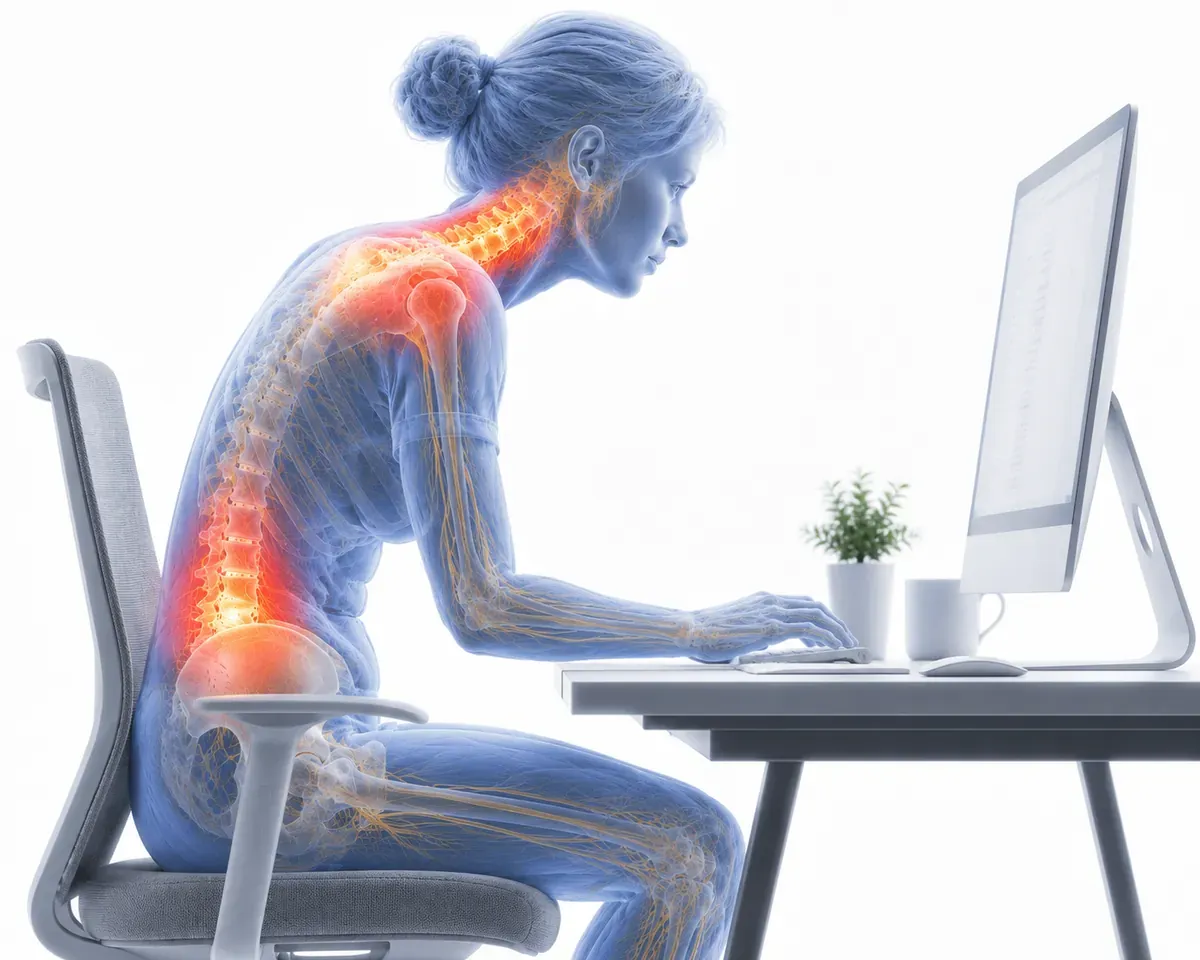
- Long sessions on your phone or laptop with the head down. Take frequent micro-breaks.
- Cold or draughty air on the neck (open car windows, sleeping with neck exposed). Anecdotal but commonly aggravating.
Red flags: when it’s something more
The vast majority of “slept funny” neck pain is benign muscle-spasm-and-joint-restriction. A small minority of presentations need urgent assessment. Get medical help if:
- The pain follows a significant fall, car accident, or impact.
- You have numbness or weakness in the arms or hands (not just stiffness).
- You have dizziness, vision changes, or nausea with the neck pain.
- You have a fever, feel acutely unwell, or have unexplained weight loss alongside the pain.
- The pain is steadily worsening over days rather than easing, especially at night.
- You’re unable to swallow comfortably or have facial weakness.
These are rare with the classic “slept funny” pattern, but worth ruling out.
When to book in (and why earlier is better)
You don’t have to book in. Acute wry neck often settles within 3 to 5 days on its own. But there’s a strong case for booking in early:
- Hands-on osteopathic treatment is particularly effective for this pattern. Easing the joint restriction and the muscle spasm directly often gives same-day improvement that self-care can take days to achieve.
- Early treatment prevents the pattern compounding. Days of compensating with a stiff neck can set up shoulder and upper-back tightness that becomes its own problem.
- It’s reassuring to confirm what’s going on. A 30-minute assessment ruling out anything more serious is worth doing.
A practical guide:
- If you can move around comfortably and the pain is easing: self-care is fine, book in if not gone in a week.
- If you’re really stuck (can’t drive comfortably, can’t sleep, can’t work): book in within the first day or two.
What to expect at your first appointment
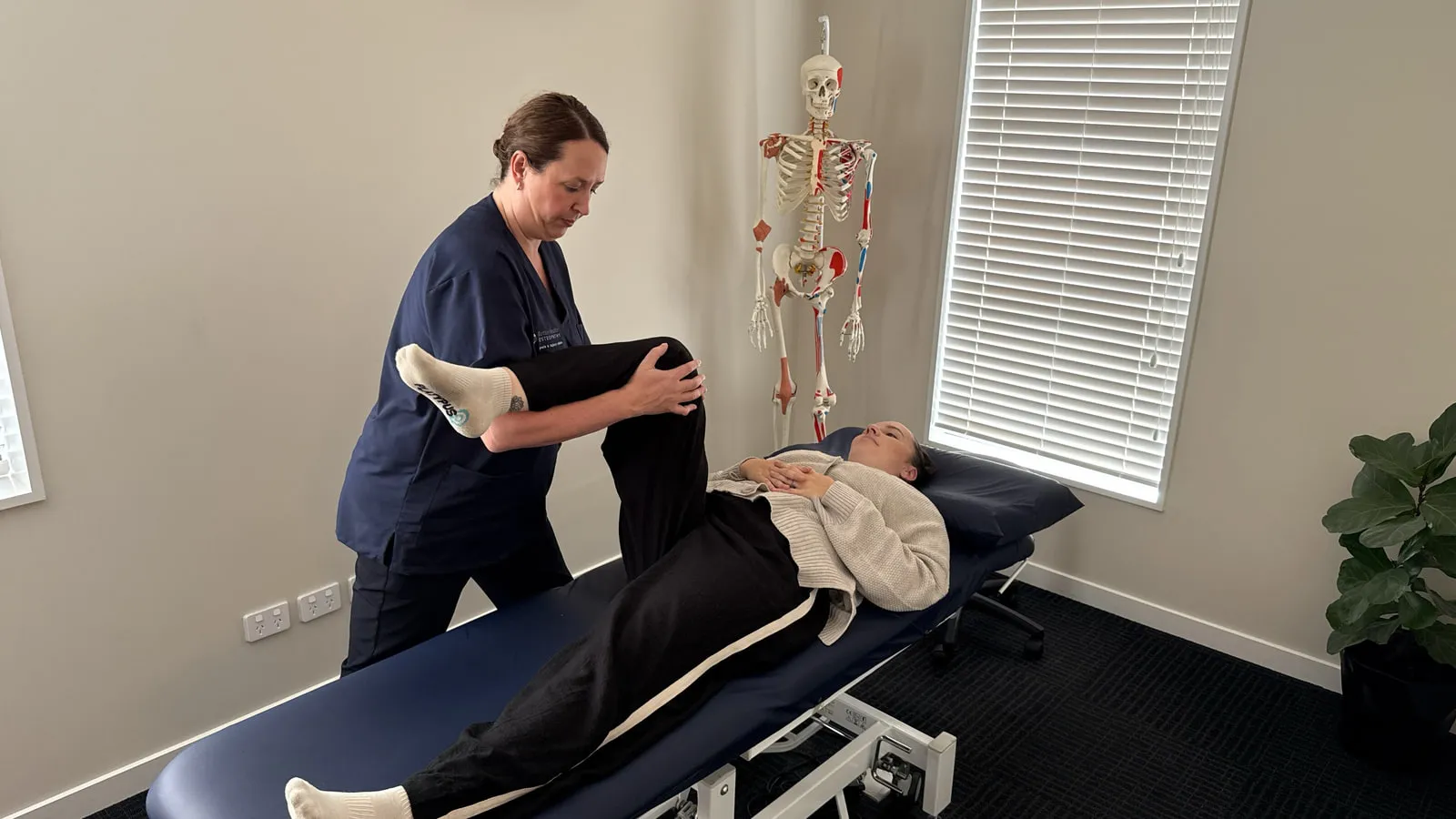
A first visit for acute wry neck takes about 30 minutes. We:
- Listen to how it started, what makes it better and worse, and screen for anything that needs urgent input.
- Examine the neck, upper back, and shoulders to identify the specific pattern (which joint is restricted, which muscles are guarding, whether nerves are involved).
- Treat with gentle hands-on work: soft tissue release, articulation, sometimes a careful adjustment if appropriate. The goal is easing the spasm and restoring the restricted movement.
- Plan simple home exercises and a guide for the next few days.
Most people leave able to move the neck noticeably more freely than they came in with.
Stopping it happening again
If acute wry neck is a recurring pattern for you, the underlying drivers usually involve:
- Pillow setup that doesn’t support the neck position you sleep in.
- Daily posture with extended phone or laptop use without breaks.
- Background tightness in the upper back and shoulders that’s been ignored.
- Stress patterns that show up as upper-trap and neck tension.
A short course of treatment plus targeted exercise (typically 3 to 5 visits) usually breaks the recurrence cycle. We’d rather see you settle this once than treat the same flare twice.
Booking with us
If you’d like to book in, book online or call 0800 67 77 00. Same-week appointments are usually available; same-day appointments for acute pain are often possible if you call early.
Related reading
- Neck pain: full condition guide for the longer view on causes and treatment patterns.
- Headache and migraine if neck stiffness comes with headaches.
- ACC and Osteopathy in NZ for the funded-care side, if your neck pain started with an injury event rather than a sleeping position.