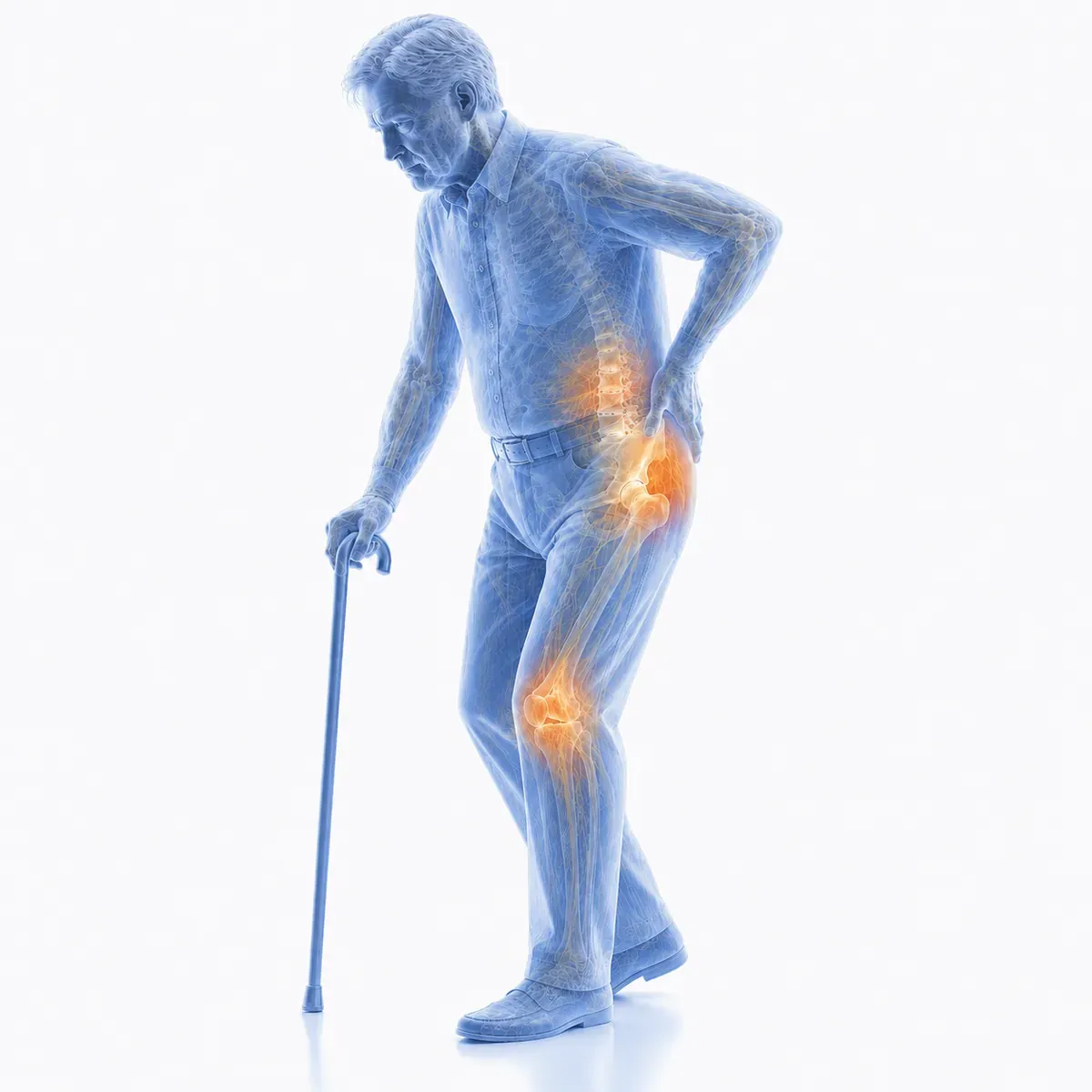

If there were a medication that reduced fall risk by 30%, lowered the chance of dementia by 30%, halved cardiovascular events, prevented sarcopenia, improved sleep, mood, and cognition, and cost almost nothing, it would be on every medical news cycle. That medication is regular exercise. It’s one of the most evidence-supported interventions in healthcare, and yet most older NZ adults don’t do enough of it.
This article is a practical, evidence-based guide to why exercise matters in the older years, what kinds matter most, and how to start (or maintain) without overcomplicating it.
The short version
For adults 60+, regular exercise reduces:
- Fall risk by 25-40% with structured strength + balance programmes.
- Cardiovascular events by 30-40% with moderate aerobic activity.
- Cognitive decline and dementia risk by 30%.
- Sarcopenia (age-related muscle loss) substantially.
- Type 2 diabetes risk and progression measurably.
- Depression and anxiety symptoms comparable to medication for mild-moderate cases.
- All-cause mortality by 20-30% in the most-active vs least-active populations.
The aggregate effect: people who maintain regular activity have better quality of life, longer functional independence, and substantially compressed end-of-life morbidity.
What “exercise” needs to include
Older adult exercise isn’t just “stay active”; the specific composition matters. Four pieces:
1. Aerobic exercise (cardiovascular). Walking, swimming, cycling, dancing. Aim: 150 minutes per week of moderate intensity. Moderate = breathing harder but able to talk. Spread across most days.
2. Strength training. The single most-overlooked piece in older-adult fitness, and the highest-leverage. Resistance training (weights, bands, body weight) 2-3 times per week. This is the piece that prevents sarcopenia and frailty, which is the bigger cause of late-life disability than cardiovascular disease.
3. Balance training. Specific balance work (single-leg stance, tai chi, dance, structured balance programmes). Especially important from 65+. Reduces fall risk significantly.
4. Flexibility / mobility. Maintaining range of motion through gentle stretching or movement work. Less critical than the above three but contributes to functional capacity.
A reasonable weekly composition for an older adult might be:
- 30 minutes of walking on most days (5-7 days)
- 2-3 strength sessions per week (30-45 minutes each)
- Specific balance work 2-3 times per week (can be combined with strength)
- Gentle daily mobility / movement
Total weekly active time: ~5-7 hours. For someone retired, this fits comfortably; for someone working, it’s still achievable with planning.
Why strength training is the most under-done
Most older adults know “I should walk more”. Far fewer realise they should be lifting. The evidence on strength training in older adults is strong:
- Older adults can build muscle and strength at any age. Adaptation is slower but real.
- Strength training reduces fall risk more than balance training alone.
- Strength training improves functional measures (chair stand, stair climb, walking speed) substantially.
- Strength training is associated with reduced all-cause mortality independently of aerobic exercise.
Concerns about safety are largely misplaced. Properly programmed strength training in older adults has a lower injury rate than walking or running. Working with a clinician or qualified exercise professional for the first few weeks reduces risk further.
The why women need strength training article has more on the strength-training case (relevant for both men and women, despite the title’s framing).
Why balance work matters specifically in older adults
Falls are the leading cause of injury and injury-related death in NZ adults over 65. The downstream consequences (hip fractures, head injuries, loss of confidence, reduced mobility, accelerated decline) are major.
The two most modifiable contributors to fall risk are:
- Strength (especially leg strength).
- Balance and proprioception.
Specific balance training programmes (Otago Exercise Programme, tai chi, structured group programmes) reduce fall rates by 25-40% in older adults. The effect compounds when combined with strength training.
Balance work is most effective when done regularly and progressed. A 5-minute balance routine done daily beats a 60-minute session done occasionally.
Common myths
“I’m too old to start.” No evidence supports this. Adaptations to exercise occur at every age studied. People in their 80s starting structured exercise see meaningful gains in 8-12 weeks.
“My joints can’t handle it.” Most joint pain responds well to modified exercise (cycling, swimming, lower-impact strength work). Inactivity often worsens joint pain via deconditioning. The right exercise is therapeutic, not harmful, for most arthritic joints.
“I should rest because I’m tired.” Some rest is appropriate; a sedentary lifestyle isn’t. Energy levels typically improve with regular activity, not decline.
“My doctor said to be careful.” Almost always means “be sensible”, not “don’t exercise”. Specific medical conditions (recent cardiac events, severe heart failure, certain post-surgical periods) warrant specific guidance, but blanket avoidance of exercise is rarely the right advice.
“It’s too late, the damage is done.” Substantial improvements happen at any age. The earlier you start, the better, but starting at 75 still produces meaningful benefit.
Where to start (if you’re not currently exercising)
The single best advice for someone who isn’t currently active: start small, be consistent, build slowly.
Week 1-2: 10-15 minutes of walking daily. That’s the whole programme.
Week 3-4: 20-30 minutes of walking most days. Add gentle bodyweight movements at home (sit-to-stand from a chair, wall push-ups, calf raises) twice a week.
Week 5-8: build the walking to 30 minutes most days. Add a third strength session weekly. Consider joining a class or group programme.
Week 9+: gradually add balance work, more challenging strength, longer or more intense walks.
The aim is consistency at sustainable levels rather than dramatic effort that doesn’t last. Most failed programmes fail from doing too much too soon, not from doing too little.
Where to get specific guidance
For older adults wanting structured guidance, several pathways:
Otago Exercise Programme: a NZ-developed evidence-based home exercise programme for older adults. Focuses on strength and balance for fall prevention. Often delivered by physiotherapists; some elements can be done independently.
Community-based exercise groups: Sport NZ, council-run programmes, U3A, gym group classes, Pilates studios. Group accountability and social connection are valuable additions.
Personal training or qualified exercise professionals: especially valuable for the first weeks of strength training to ensure safe technique.
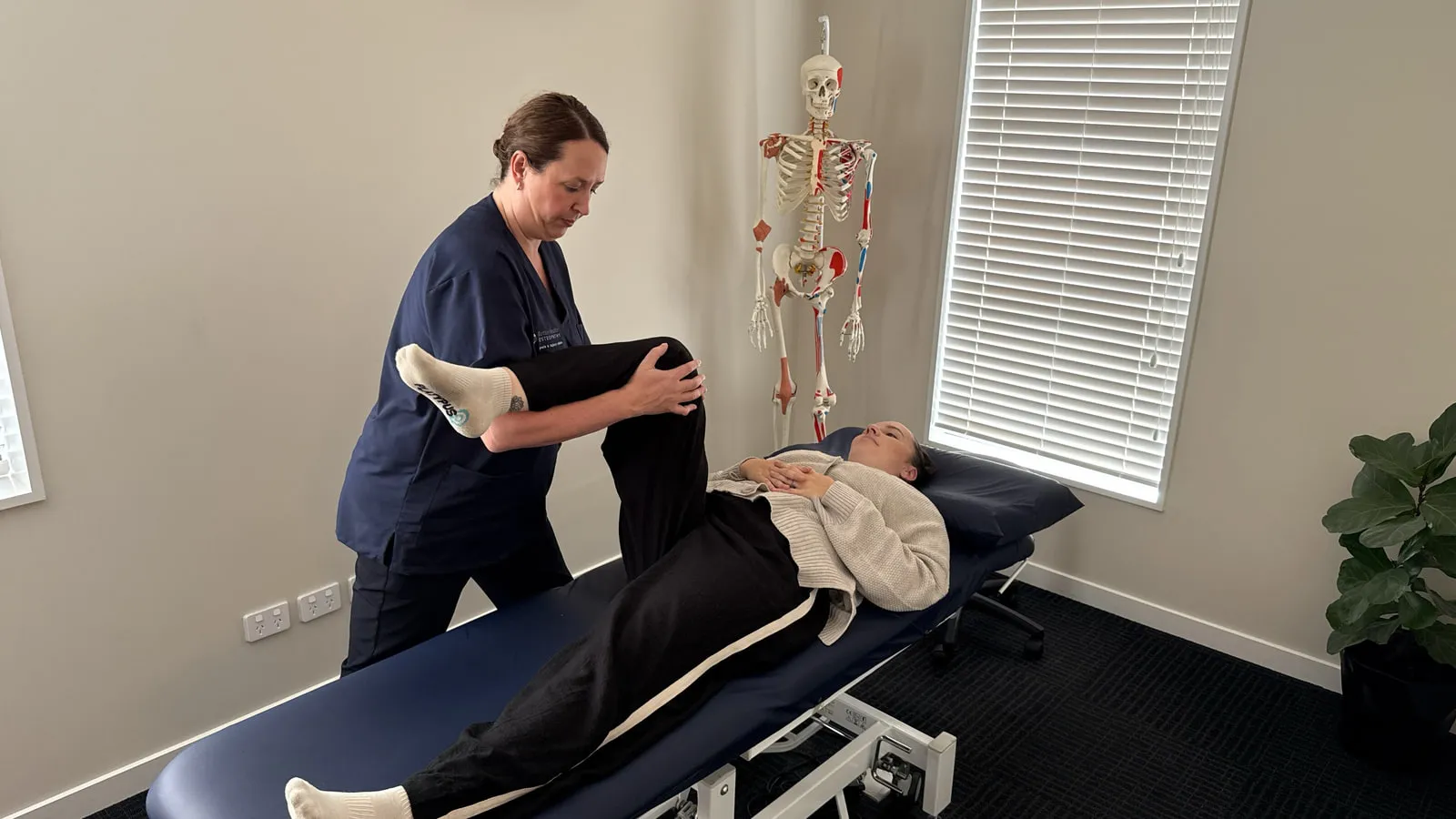
Osteopathy / physiotherapy: for assessment when there’s a specific concern (joint pain, recent injury, balance changes, post-surgical recovery), or when you want guidance on how to exercise safely with a particular medical context.
Where Osteopathy specifically fits
For older adults, Osteopathy can contribute to:
- Assessment of musculoskeletal capacity and limitations before starting an exercise programme.
- Treatment of joint pain and stiffness that’s interfering with activity.
- Post-surgical recovery alongside other care.
- Assessment after a fall or near-fall; identifying contributors and planning rehab.
- Coordination with GP and other care providers for complex pictures.
Osteopathy doesn’t replace structured exercise programming; it supports getting started and staying in the programme.
Booking with us
If you’d like an assessment to inform a starting exercise plan, or if a specific issue is interfering with your ability to exercise, book online or call us on 0800 67 77 00. We see seniors at our Fendalton clinic.
Related reading
- Why women need strength training for the strength-training case in detail.
- What is core strength and how do I maintain it for the trunk-stability piece.
- Care for seniors for the broader senior-care page.