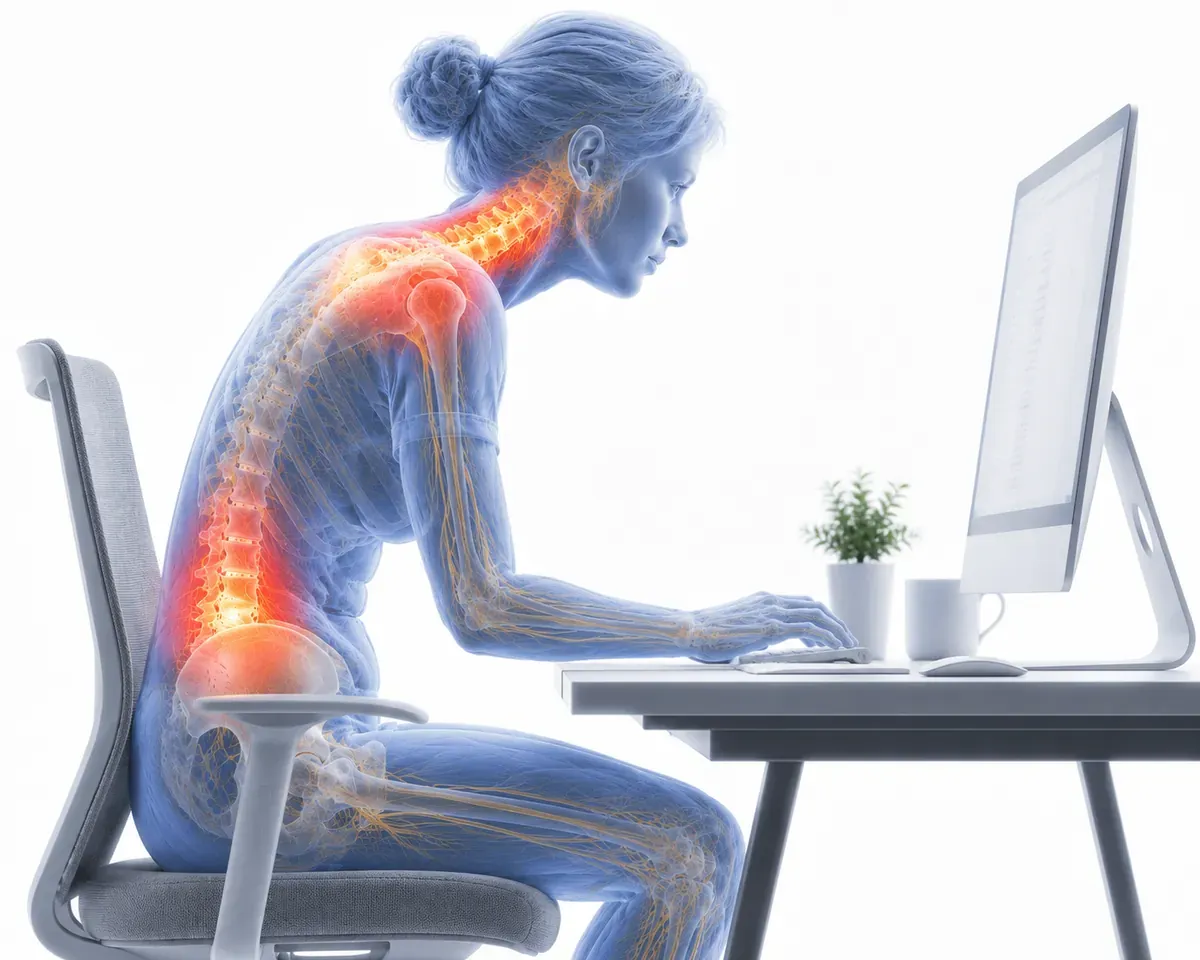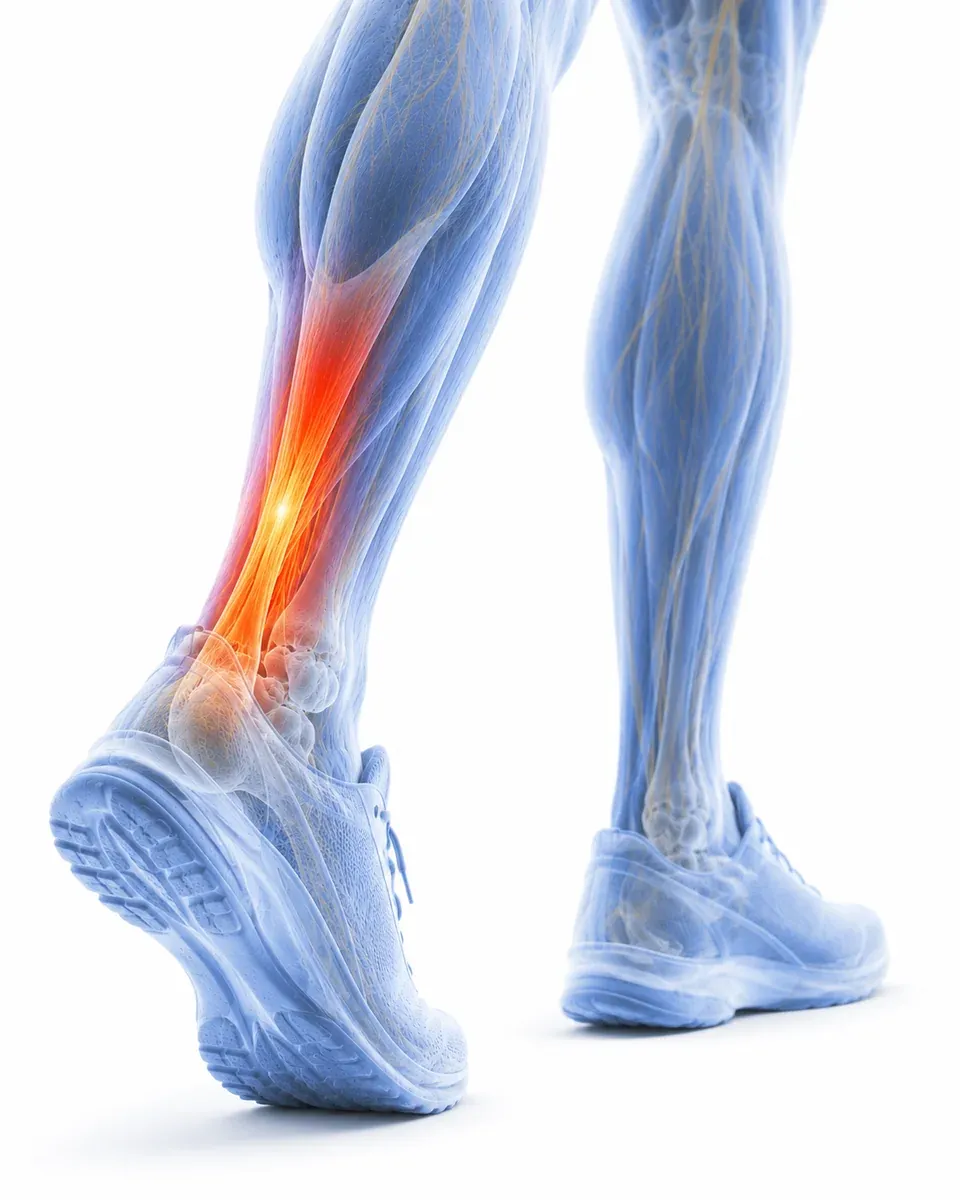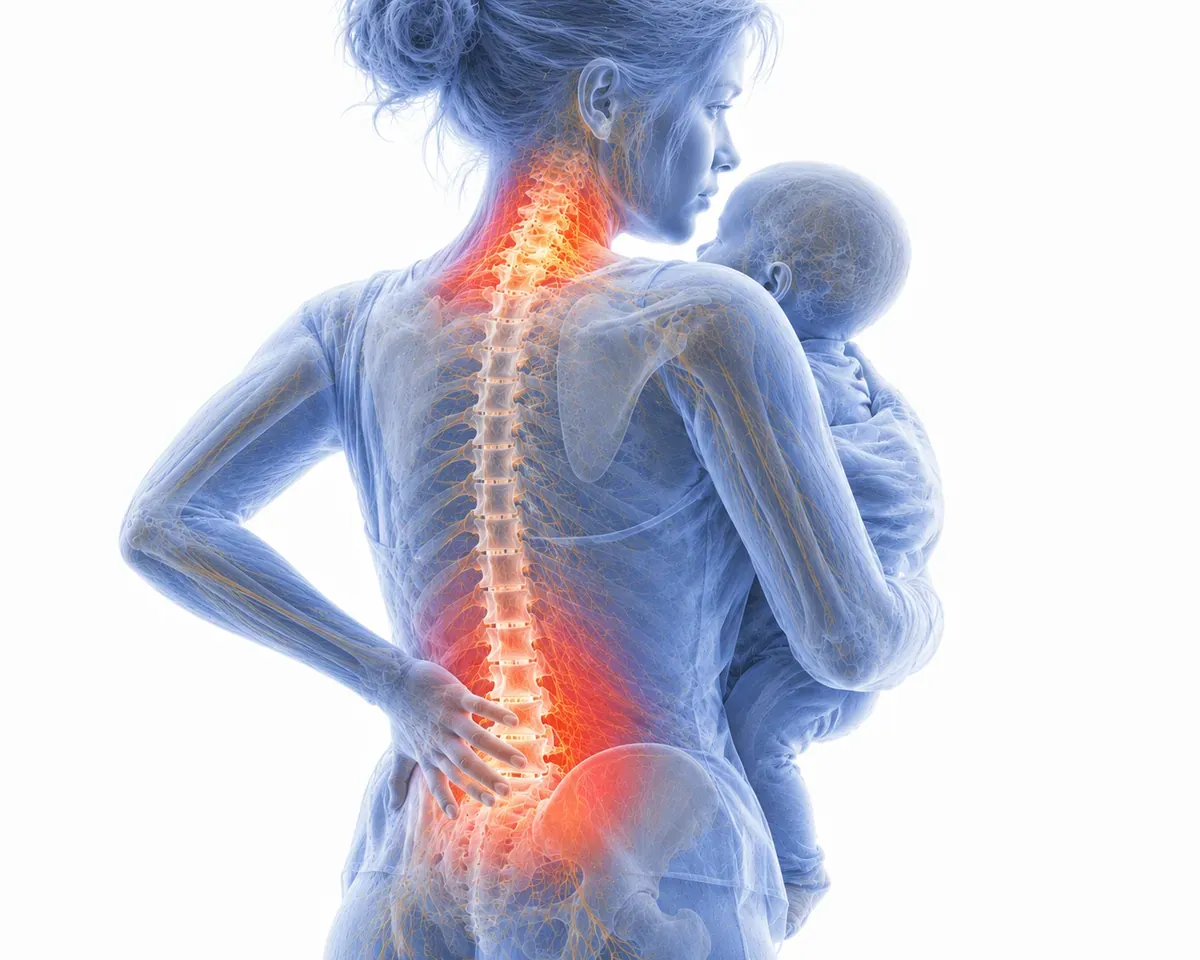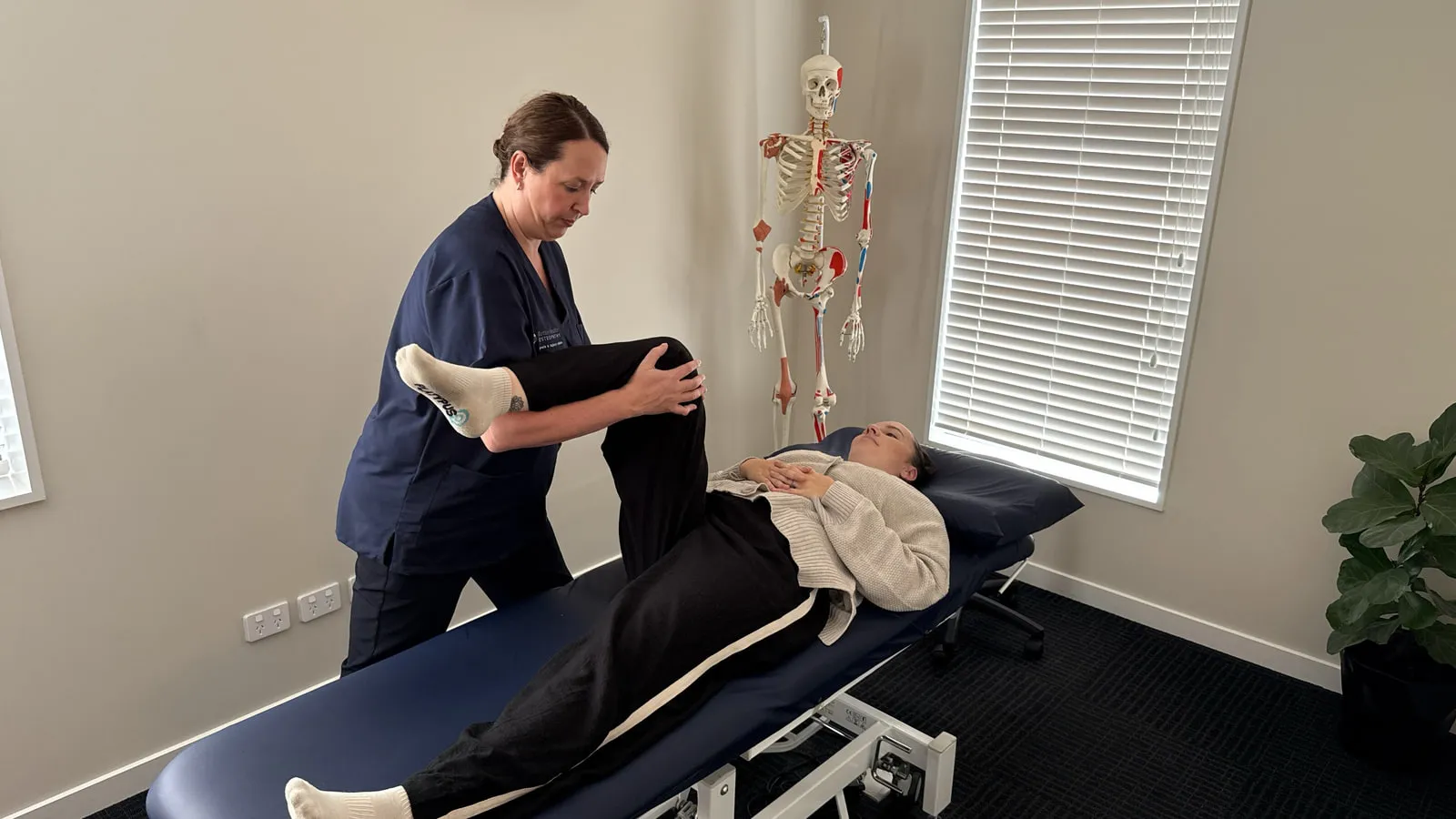

In New Zealand, physiotherapy is often the cultural default for “I’ve hurt myself, who do I see?” That’s partly because physio is integrated into hospital discharge, sports clubs, and ACC’s case-management network. But Osteopathy is the same regulated, ACC-funded option, and for many patterns it’s the better starting point.
This article focuses on the direct osteopathy-vs-physiotherapy comparison: where the two overlap, where they genuinely differ, and how to choose for what you’re actually dealing with. If you’re also weighing chiropractic, the three-way comparison is the right starting point. And if you’re new to Osteopathy itself, our guide to what Osteopathy is explains what an osteopath does before you compare.
The overlap is bigger than the marketing suggests
Both professions:
- Are regulated under the Health Practitioners Competence Assurance Act 2003
- Require a four-to-five-year university qualification
- Can lodge ACC claims directly without a GP referral
- Treat back pain, neck pain, headaches, sports injuries, joint pain, and post-surgical recovery
- Use a mix of hands-on technique, exercise prescription, and education
- Are widely available in Christchurch
If your friend recommends one and you book the other, you’re not making a wrong choice. Both can be excellent.
Where they differ in emphasis
Physiotherapy emphasises measurement and rehabilitation. A physio’s training is built around assessing function precisely (range of motion in degrees, specific strength tests, functional movement screens) and prescribing graded exercise to restore it. Hands-on treatment is part of the toolkit; in a typical session it tends to be a smaller part than the assessment, the exercise prescription, and the education.
Osteopathy emphasises whole-body assessment and hands-on technique. An osteopath looking at a sore shoulder is also looking at the neck, the upper back, and how the rest of the body shares load. Hands-on technique (soft-tissue work, articulation, joint mobilisation, sometimes higher-velocity adjustment) usually takes up a larger share of a session, with explanation and home-plan advice layered on.
The textbook difference: physio asks “what’s not working, and how do I rebuild it?” Osteopathy asks “what’s the body’s whole-system response to this complaint, and where else is contributing?”
Modern practice has moved both fields closer together. Plenty of physios use extensive hands-on work; plenty of osteopaths prescribe rigorous exercise programmes. The clinic-by-clinic style varies. But the textbook framing still describes how each profession was trained to think.
A first appointment, side by side
At a physiotherapist, expect about 30 to 45 minutes. The first half is a careful history and detailed measurement. Mid-session you’ll do specific tests: how far does this joint move, can you produce force in this position, do you have control through this range. You’ll usually leave with two or three exercises, often photographed or sent to an app, and a clear set of milestones (when you should be able to single-leg hop, when you can return to running, etc.).
At an osteopath, expect about 30 minutes. The first half is a wider conversation, including how the pattern has shown up across your work and life, not just the symptom site. The physical assessment is more pattern-focused: how do you move overall, what’s the related region doing, what does the painful tissue feel like under hand. Treatment usually happens in the same visit, combining several techniques. You’ll typically leave with one or two things to try at home and an honest read on how many sessions this is likely to take.
When physiotherapy tends to be the stronger first call
- Post-surgical rehab to a defined milestone. ACL reconstruction, rotator-cuff repair, hip replacement, shoulder stabilisation. Physio is the usual default and often the surgeon’s specific request.
- Defined sports injuries with graded-loading recoveries. Hamstring strain in a runner, calf tear in a footballer, tendinopathy that needs precise progressive loading. Physio’s measurement-led approach matches the rehab arc.
- Specific specialty needs. Pelvic-floor or women’s health (postnatal incontinence, prolapse), vestibular (dizziness, BPPV), neurological rehab (post-stroke, post-concussion), cardiopulmonary (post-surgical breathing).
- Acute high-load athlete cases where you need formal return-to-play criteria documented for a coach or selection panel.
- Wider-rehab coordination for complex ACC injuries that involve multiple providers (occupational therapist, return-to-work coordinator, ACC case manager).
When Osteopathy tends to be the stronger first call
- Whole-body or recurring patterns. The same shoulder or low back keeps flaring; the issue connects across regions (back pain that starts as a hip issue; jaw tension that drives headaches). Osteopathy’s wider-pattern approach picks up drivers a region-focused assessment may miss.
- Pregnancy-related pain and postnatal recovery. Pelvic girdle pain in pregnancy, postural-load pain that develops with the bump, postnatal mid-back and shoulder strain from breastfeeding. Hands-on osteopathic technique is well-suited to these populations.
- Babies and children. Newborn feeding difficulty, infant torticollis, growing pains, sport-overuse in adolescents. Osteopaths are common first-call providers for paediatric musculoskeletal issues.
- Want hands-on as a meaningful share of the session. If you’ve tried physio and found the session was largely talking and exercise prescription with limited manual work, Osteopathy may match what you want.
- Stress-driven or pattern-of-living issues. Tension-driven headaches, work-posture-driven neck pain, sleep-disrupted recovery cycles. Osteopathy’s whole-body framing tends to surface these drivers.
ACC: same paperwork, different culture
Both professions are ACC providers, and the paperwork is identical at the clinic level. The cultural differences are:
- Physiotherapy is more deeply embedded in ACC’s wider rehab system. For complex injuries with multiple providers, the physio is often the natural coordinator.
- Osteopathy operates more often in stand-alone visit blocks. For musculoskeletal injuries that don’t need wider-system coordination, this is fine and often preferable.
Both can lodge a claim at the first visit. Both have similar surcharges (ours are $95 for a first visit, $90 for follow-ups). Both can refer on if your case fits a different scope better.
”I want to be told exactly what to do” vs “I want it fixed”
A useful self-test for which mode fits you better:
- If your preference is structured exercise homework with measurable progress, physiotherapy’s approach is likely to feel productive.
- If your preference is hands-on treatment that addresses the symptom in-session, plus a small home plan, Osteopathy is likely to feel productive.
Neither is right or wrong. Both deliver outcomes. The fit-with-you matters because compliance is a real factor in recovery.
What if I’ve tried one and didn’t get better?
Switching is reasonable. Three or four visits without a clear direction of travel (less pain, more function, a working diagnosis you understand) is a sensible point to reassess.
- Tried physio, lots of exercises, hands-on felt minimal: an osteopath may give you the manual-treatment angle that was missing.
- Tried Osteopathy, treatment helped briefly but the pattern keeps returning: a physio’s loaded-rehab approach may break the cycle by building capacity.
Persistent pain that doesn’t respond to either is a signal for a wider workup (GP, imaging, sometimes specialist), not for grinding harder with the same approach.
Booking and what to expect
If you’d like to book with us, you can book online or call 0800 67 77 00. ACC claims are lodged at your first visit; no GP referral is needed for the vast majority of injuries. We’re happy to recommend a physiotherapist colleague if your situation fits theirs better; that’s part of doing this honestly.
If you’re undecided between Osteopathy and physiotherapy, the practical advice is: pick one based on the headings above, give it three to four sessions, and reassess. You’re not making an irreversible decision.
Related reading
If you’re also considering a chiropractor, the three-way comparison covers all three professions side by side.